What shared life history defines the Yellowish Cuckoo Bumblebee's evolutionary adaptation?
Answer
Cleptoparasitism
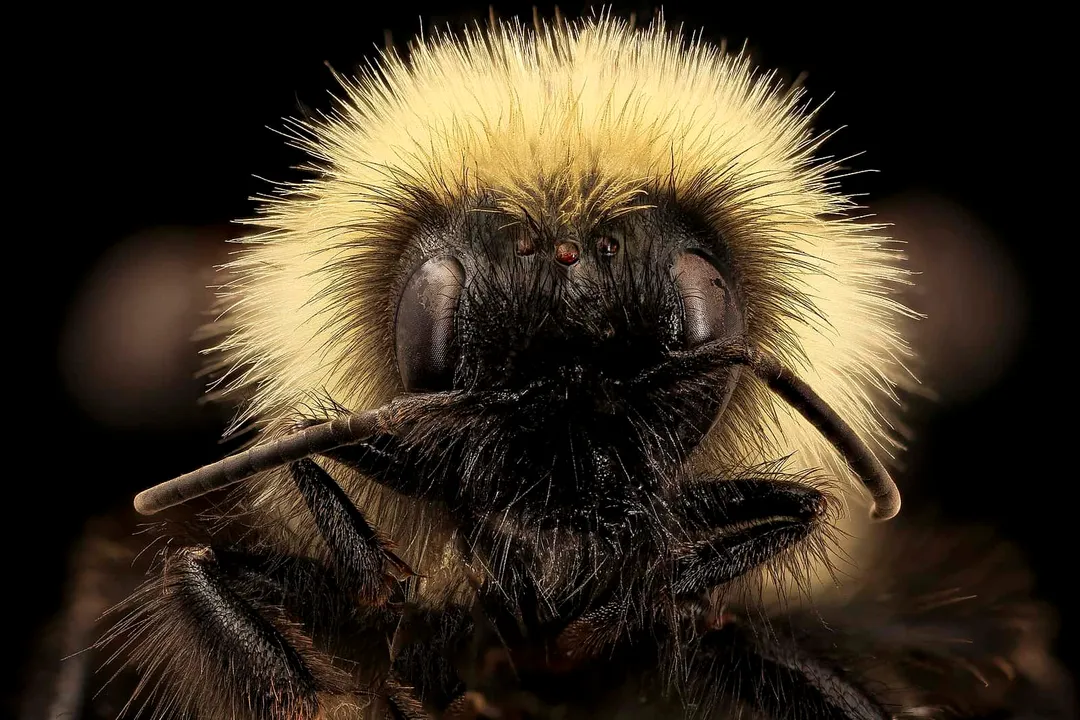
The defining evolutionary trait uniting the various names associated with this bee is its life history strategy of cleptoparasitism. This strategy means the bee invades the established nests of other, social bumblebees to lay its own eggs there. This behavior stands in direct opposition to the typical, highly social existence characteristic of most other bumblebees, where a single queen must initiate and provision an entire colony from the ground up. Cleptoparasitism fundamentally alters the female's reproductive investments and roles, shifting focus from colony establishment and maintenance to successful nest infiltration and egg deposition.
Related Questions
What current designation often groups *Bombus fernaldae* in contemporary contexts?What shared life history defines the Yellowish Cuckoo Bumblebee's evolutionary adaptation?What specialized structure found on social female hind legs is vestigial or lost in cuckoo females?How is the female Yellowish Cuckoo Bumblebee's energy investment redirected compared to social queens?What specific risk does the specialized relationship with *Bombus affinis* impose on the parasite?What is the primary evolutionary consequence of losing the worker caste in cuckoo bees?How does the reproductive morphology of the parasitic female differ from a standard queen's initiation duties?What is the evolutionary prerequisite concerning the host phenology for the parasitic female's spring emergence?What speciation concept might explain *B. fernaldae*'s historical distinctness based on geographic separation?What actionable focus supports the survival chances of specialized cuckoos like *B. fernaldae* locally?