Vestal Cuckoo Bumblebee Evolution
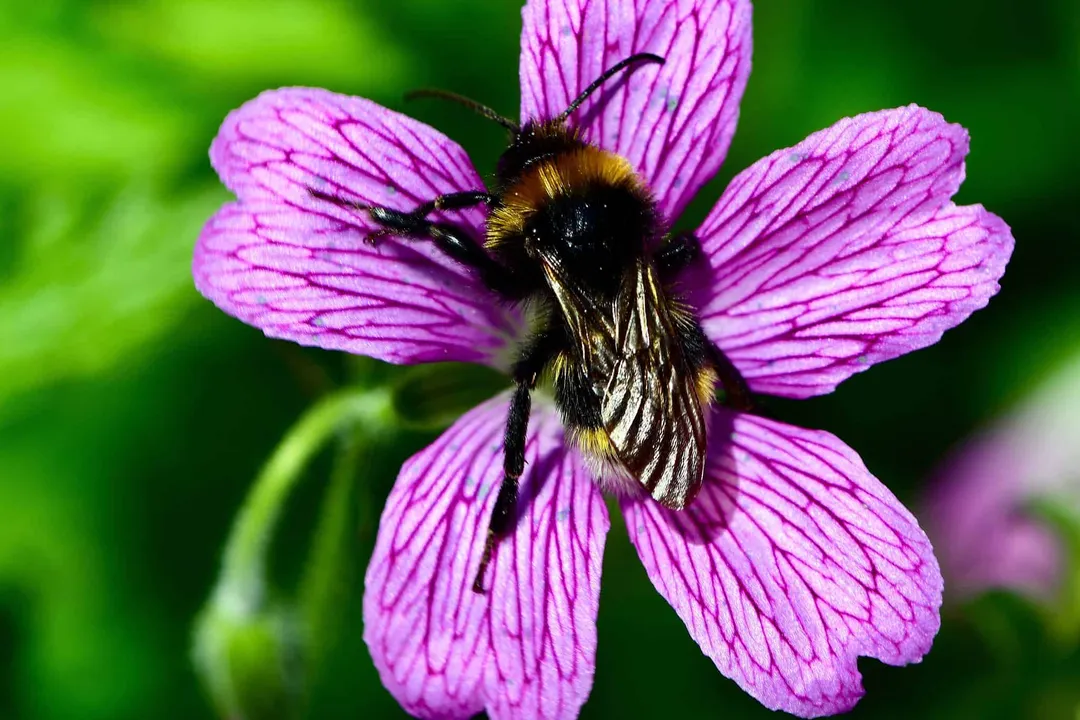
The Vestal Cuckoo Bumblebee, scientifically known as Bombus vestalis, presents a remarkable illustration of evolutionary adaptation centered entirely around reproductive parasitism. Unlike its social cousins that live in colonies, the female B. vestalis lives a solitary existence dedicated to infiltration. This fascinating lifestyle, known as cleptoparasitism, means she never collects pollen or nectar herself; instead, she imposes on the labor of other, truly social bumblebees. [1][4] The resulting morphology and behavior are shaped by intense selection pressures related to overcoming and usurping an existing, functional colony.
# Morphological Shifts
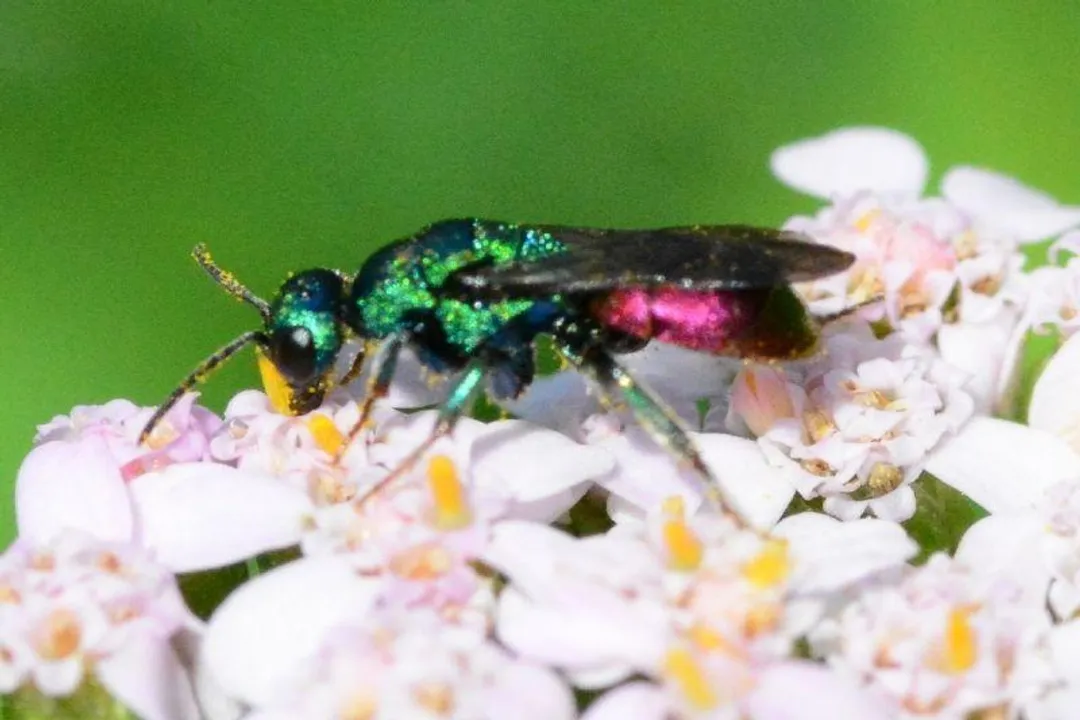
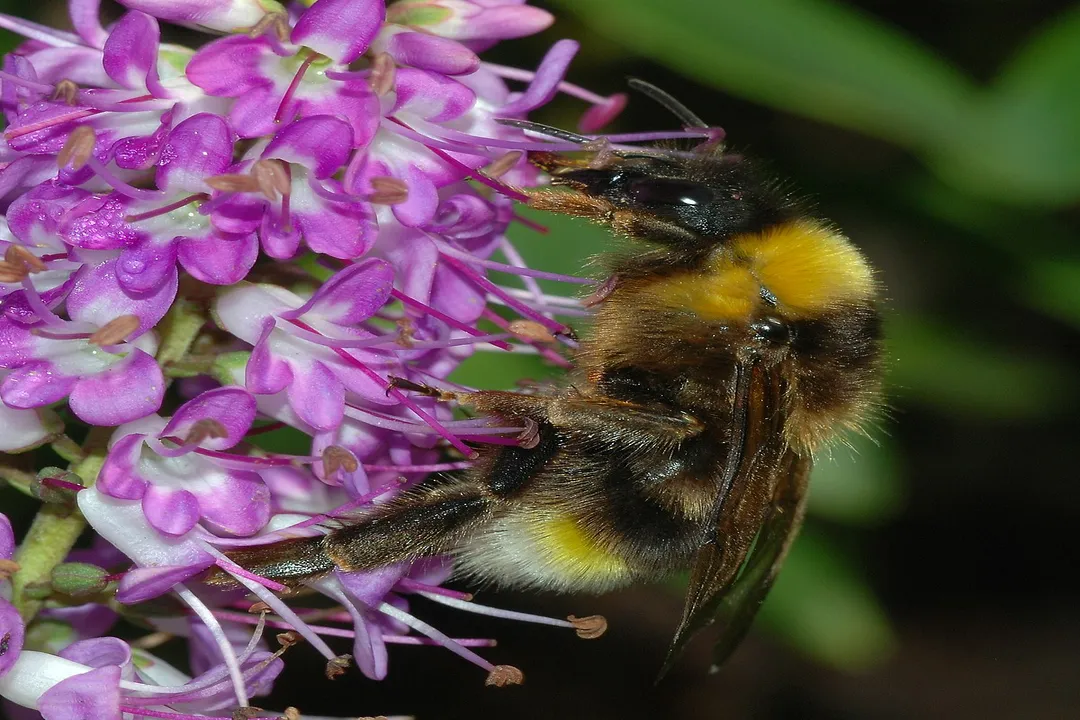
The most striking evolutionary divergence between the Vestal Cuckoo and its social relatives lies in the tools it possesses—or, more accurately, the tools it lacks. Social female bumblebees, the queens and workers, possess specialized structures called corbiculae, or pollen baskets, on their hind legs, essential for gathering the food required to raise brood. [4] Because the female B. vestalis queen does not forage for her offspring—the host workers perform that duty—she has completely lost these pollen baskets, a classic example of evolutionary simplification where a non-essential trait disappears. [4][6]
Conversely, the traits that B. vestalis does possess have been heavily augmented by evolutionary pressure. The life cycle demands a direct confrontation with the host queen. Consequently, cuckoo queens are generally described as being larger and physically more robust than the queens of the species they parasitize. [8] This increased size often translates to a thicker, tougher cuticle and more powerful mandibles, which are critical weapons in the takeover battle. [8] This divergence in physical characteristics stems directly from the different ecological roles: one invests in resource collection infrastructure, while the other invests in offensive capability to steal those resources.
One can observe a fascinating trade-off in resource allocation here. A typical social queen must allocate significant energy to developing the musculature and structure for foraging apparatuses, even if she later delegates the actual work to her new workers. The B. vestalis queen bypasses this entire developmental cost, instead channeling that potential energy budget into armor and weaponry needed for the initial invasion. This reallocation is a powerful evolutionary signature of obligate parasitism, favoring traits that secure immediate reproductive access over traits that support long-term colony maintenance. [6]
# Queen Conflict
The survival of B. vestalis hinges on a single, violent encounter: the usurpation of the host colony. The female parasite must locate an established nest belonging to a suitable host species, which often includes Bombus hortorum (the long-tongued bumblebee), but other species like B. pascuorum or B. sylvarum can also be targeted. [1][3][7] This search requires keen sensory abilities, and once a nest is found, the real challenge begins.
The process of invasion is not subtle. The cuckoo queen is expected to attack the host queen directly. [2] The host queen, having successfully initiated her own colony and having workers already dedicated to her, will defend her position vigorously. The physical adaptations mentioned previously—the stronger cuticle and mandibles—are put to the test in what is essentially a gladiatorial combat inside the nest structure. [8]
If the Vestal Cuckoo queen is successful, she kills the host queen. [2] Following this deadly success, the parasite queen essentially becomes the new queen, laying her own eggs, which are then tended to and fed by the host colony’s workers. [2] This outcome demonstrates an incredible level of evolutionary precision; the parasite's chemical cues or physical presence must somehow temporarily neutralize the workers' instinct to attack her, allowing her to assume the role of the reproductive center without being killed in the process. [2] If the invasion fails, the parasite queen dies, and her reproductive effort for that season ends.
# Evolutionary Lineage
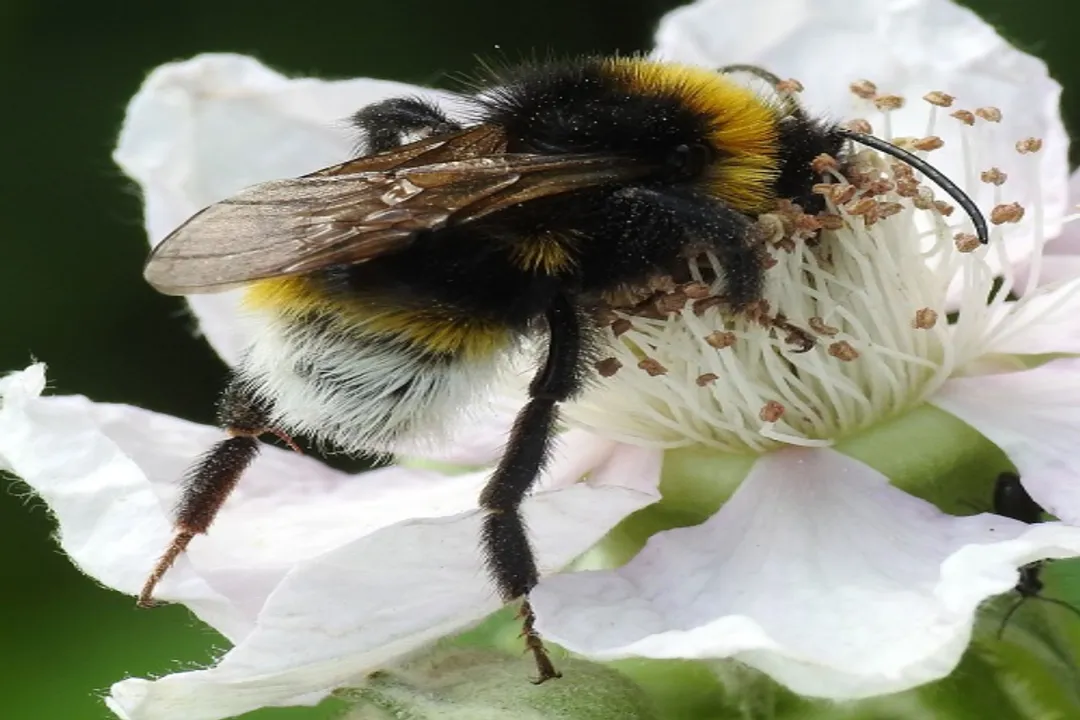
The Vestal Cuckoo Bumblebee belongs to the subgenus Psithyrus, which groups together all bumblebee social parasites. [2] Understanding the evolution of B. vestalis requires looking at its likely origins. Evolutionary ecology suggests that brood parasitism in bees, including the Psithyrus group, most frequently evolves from solitary bee ancestors. [6] This contrasts with species like cuckoo wasps, which evolved from social wasps. For bumblebees, the transition likely involved a shift where a female began laying an egg near or in another female's nest without permission, eventually escalating to outright takeover. [6]
The evolution of the parasite involves both the loss of ancestral social traits and the strengthening of parasitic ones. While the loss of the pollen basket is an obvious negative adaptation from a social perspective, it represents an evolutionary gain in efficiency for the parasitic lifestyle. [4] The parallel, independent evolution of these parasitic traits across different lines of cuckoo bumblebees suggests that once the ecological opportunity (the presence of susceptible, established colonies) arises, the path toward morphological specialization for conflict is a strongly favored one. [6]
When comparing the Vestal Cuckoo to other cuckoo bees, such as the Nomad bees (which are a different lineage altogether, often laying eggs in the nests of solitary bees), the evolutionary pressure remains the same—avoiding the cost of rearing young—but the specific execution differs based on the host's social structure. [5] B. vestalis is a specialist in usurping highly organized, multi-caste social colonies, necessitating the extreme conflict mechanism.
# Conservation Vulnerability
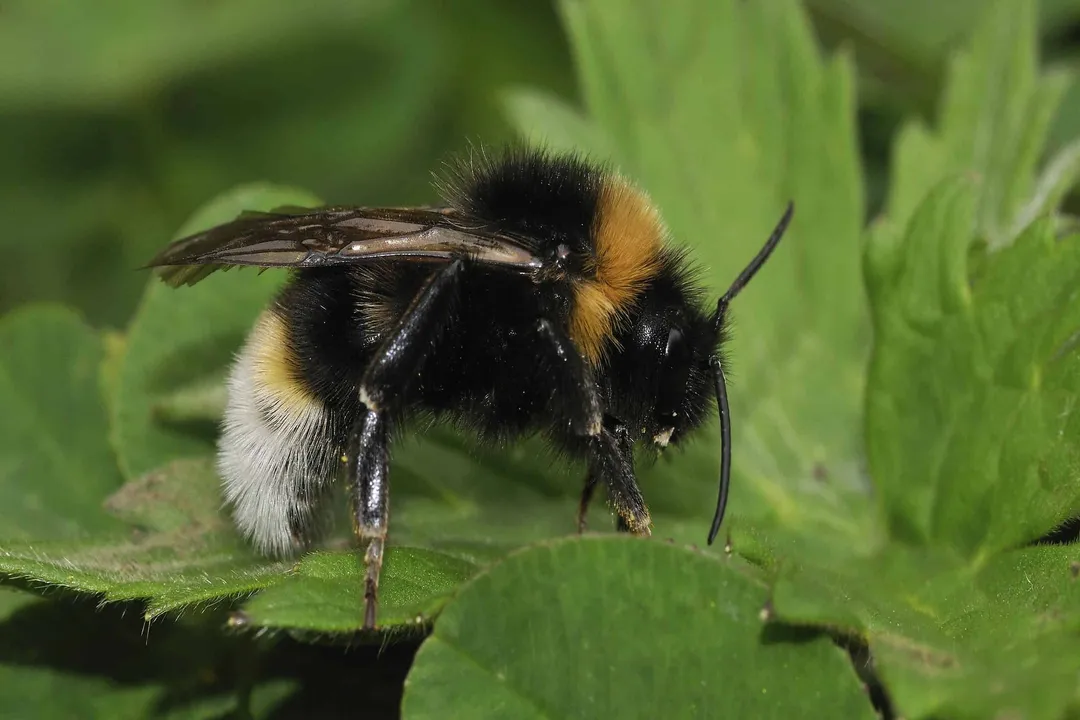
The highly specialized nature of B. vestalis evolution also introduces significant conservation challenges. Its reliance on specific host species means that the fate of the parasite is inextricably linked to the health of its hosts. [7] If populations of the primary host, such as B. hortorum, decline due to habitat loss, pesticide use, or other environmental stressors, the Vestal Cuckoo population will suffer a corresponding crash. [3]
This dependency creates an evolutionary bottleneck; the parasite cannot easily switch hosts because its physical and behavioral adaptations are tuned to overcome a specific level of resistance offered by its target. While a generalist parasite might evolve to handle varied defenses, the B. vestalis specialist may lack the phenotypic plasticity required to rapidly adapt to the disappearance of its preferred target species. This tight co-evolutionary relationship, a strength in stable environments, becomes a critical vulnerability in rapidly changing ones. [1] Considering the ongoing pressures on native wild bee populations across Europe, the long-term evolutionary viability of obligate cleptoparasites like B. vestalis serves as an important indicator for the overall ecological integrity of pollinator communities.
Related Questions
#Citations
Vestal Cuckoo Bumblebee Insect Facts - Bombus vestalis
Bombus vestalis
Vestal Cuckoo Bumblebee - Heene Cemetery
A Guide to Cuckoo Bumblebees
Meet the cuckoo bees
Genomic Signatures and Its Role in Climatic Niche Adaptation
Vestal Cuckoo Bumblebee - Bombus vestalis
Five Females of the Species and their Feminine ...
Vestal Cuckoo Bee (Bombus vestalis)
Ecology and Evolution of Cuckoo Bumble Bees