Yellowish Cuckoo Bumblebee (formerly Fernald’s Cuckoo Bumblebee) Evolution
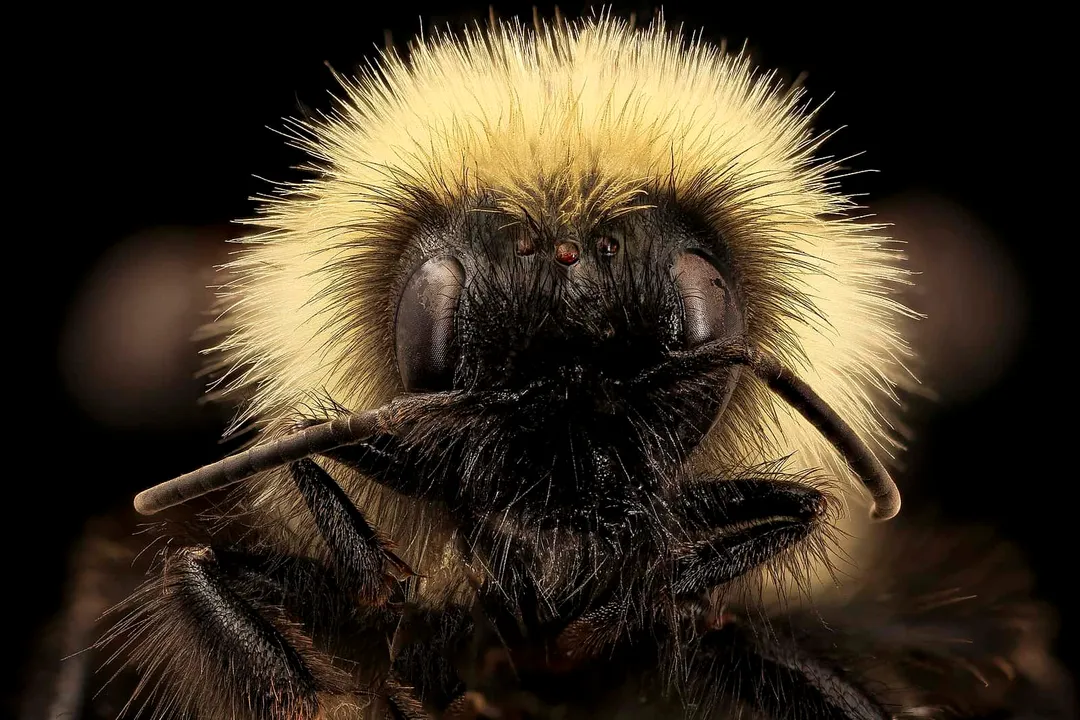
The Yellowish Cuckoo Bumblebee, a creature whose very identity has been subject to revision over time, represents a fascinating endpoint in the evolutionary adaptation of the Bombus genus. Once recognized widely as Fernald’s Cuckoo Bumblebee, Bombus fernaldae, this species now often carries the designation Bombus flavidus in some contemporary contexts, reflecting ongoing scientific refinement regarding its placement within the broader bee phylogeny. This shift in nomenclature is not merely semantic; it hints at deeper evolutionary connections or divergences being uncovered through modern analysis, particularly in relation to other cuckoo or parasitic bumblebees. What unites these names is a remarkable, shared life history: they are cleptoparasites, a strategy that stands in stark contrast to the highly social existence typical of most other bumblebees.
# Taxonomic Revisions
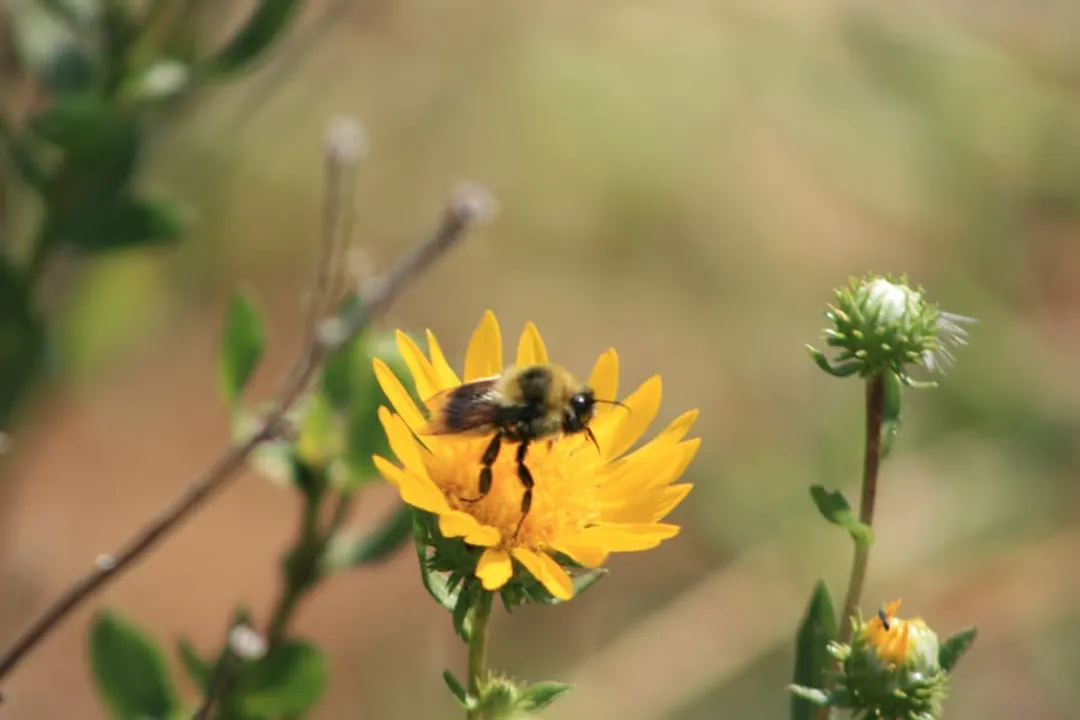
The history of naming for this particular bee underscores the dynamic nature of evolutionary science. For many years, the species was commonly known by the specific epithet fernaldae. However, current understandings often group it, or at least recognize its closest relatives, under Bombus flavidus. This ambiguity suggests a close, possibly recent, evolutionary divergence or perhaps even infraspecific variation where B. fernaldae was once treated as a distinct species or a subspecies of another, like Bombus bohemicus. Such taxonomic reshuffling happens when genetic markers or subtle morphological differences suggest that a population is either distinct enough to warrant its own species status or more closely related to another group than previously assumed.
When a group of closely related organisms, like these cuckoo bees, shows traits that overlap across recognized species boundaries, it forces taxonomists to redraw the family tree. If genetic analysis shows that the population formerly called B. fernaldae interbreeds or shares a very recent common ancestor with B. flavidus, the evolution of their specific traits—the parasitic behavior—is viewed through the lens of that shared lineage. Understanding the lineage is key; if they evolved parasitism independently from their social cousins, it represents convergent evolution. If they share a recent parasitic ancestor, it is a single evolutionary event within that lineage.
A point of interest for any observer tracking these changes is how often common names lag behind scientific consensus. The transition to the "Yellowish Cuckoo Bumblebee" reflects an effort to align common naming with the most accepted scientific classification, even as that classification continues to be debated in specialist literature. For field researchers, remembering that B. fernaldae is now frequently B. flavidus complex highlights the necessity of staying current with taxonomic literature to accurately track population dynamics and evolutionary history.
# Cleptoparasite Evolution
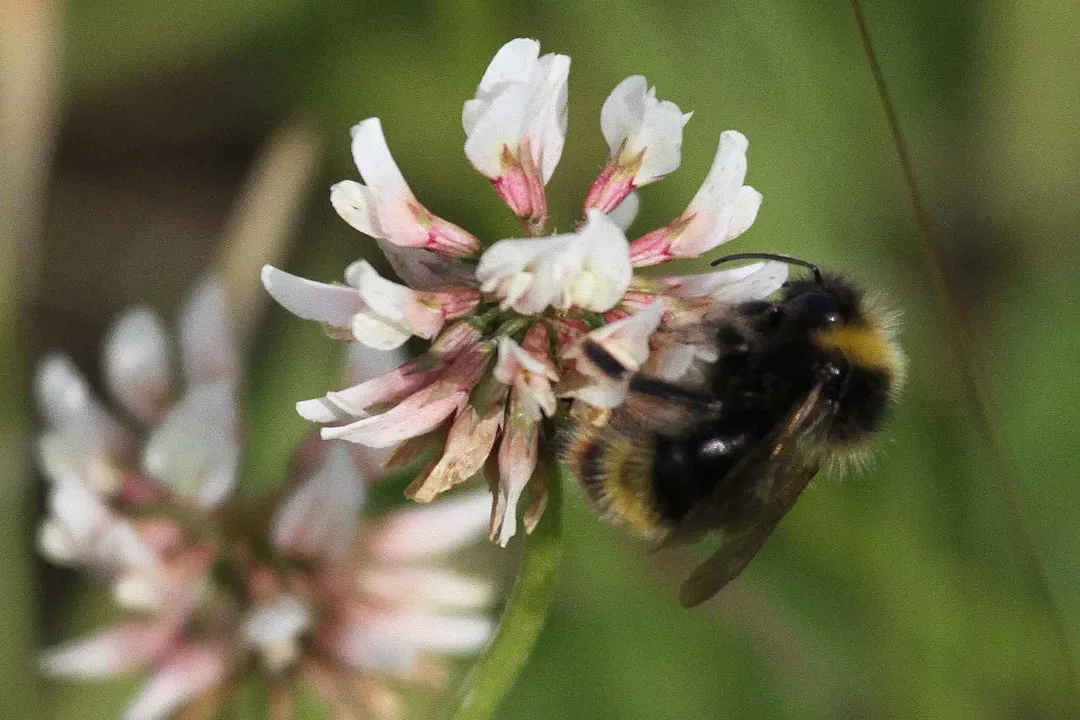
The most defining evolutionary trait of this bee is its cleptoparasitism, the practice of invading the nests of other, social bumblebees to lay its eggs. This lifestyle is a profound evolutionary departure from the ancestral social bumblebee pattern, which involves a queen starting a colony, producing workers, and ultimately producing new queens and males.
In the evolutionary trajectory leading to this cuckoo lifestyle, the reproductive morphology and social roles of the female have been dramatically altered by selection pressures favoring nest invasion over colony building. Unlike a standard queen, the female Yellowish Cuckoo Bumblebee does not need to provision a brood mass from scratch; instead, she needs only to successfully infiltrate a host nest and deposit her egg, often killing or disabling the host queen in the process. This adaptation means that the energetic investment previously allocated to nest construction, foraging for nectar and pollen, and rearing a full workforce is instead redirected toward producing fewer, highly specialized, and often more robustly built parasitic females.
The loss of the worker caste is a cornerstone of this evolutionary specialization. Social bees rely on sterile female workers to forage and maintain the colony, allowing the queen to focus solely on egg-laying. Cuckoo bees, lacking workers entirely, have traded the quantity of offspring ensured by a large workforce for the survival assurance of a single parasitic larva that hijacks an already functioning nursery. This is a high-risk, high-reward evolutionary gamble. If the parasitic female fails to find a suitable host or is killed during the invasion, her entire reproductive output for the season is lost, which is a significant difference from the risk distribution in a social colony.
# Morphological Trade-offs
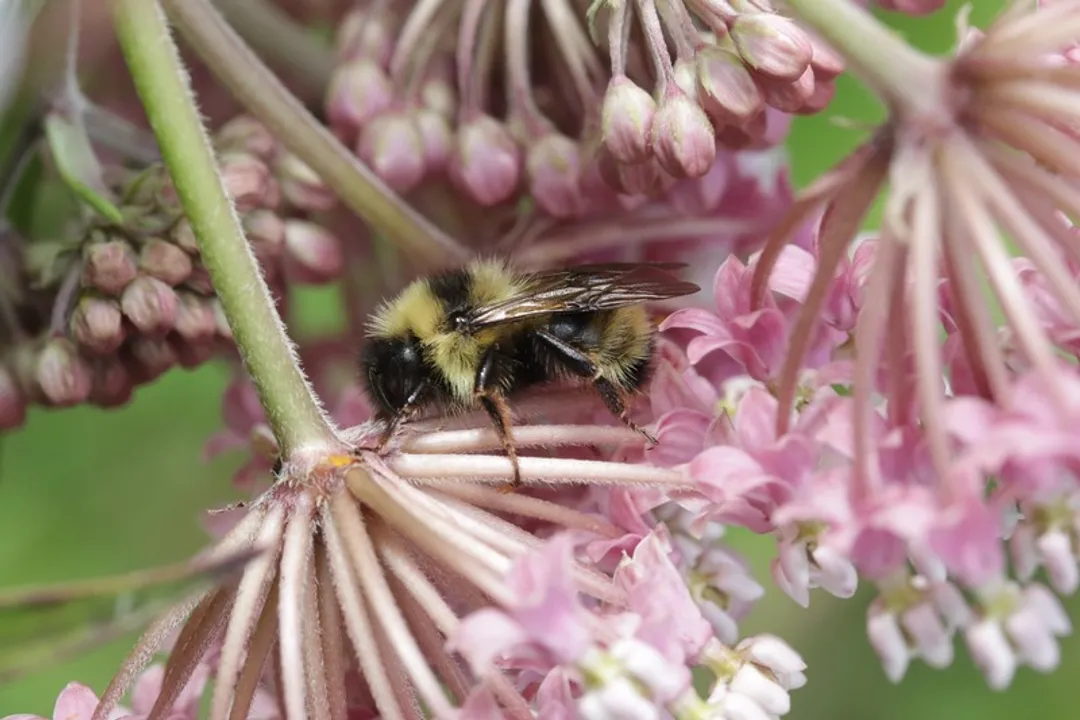
This distinct life history has resulted in predictable morphological evolution. The physical characteristics of the Yellowish Cuckoo Bumblebee directly reflect the functions it must perform—namely, overpowering a host queen and avoiding work—and the functions it no longer needs—namely, collecting pollen.
A critical difference is the near or total absence of the corbiculae, or pollen baskets, found on the hind legs of social female bumblebees. The corbicula is a specialized structure used to carry large loads of pollen back to the nest to provision larval development. Since the parasitic female does not gather food for her young, this structure has become vestigial or entirely lost, representing a clear instance where a complex adaptation for sociality has been genetically removed because it no longer conferred a fitness advantage. Observing this anatomical difference in the field is one of the easiest ways to distinguish a cuckoo bumblebee from its social counterparts, serving as a visible marker of its distinct evolutionary path.
Furthermore, the invading females often exhibit morphologies that aid in combat or dominance, though specific details on B. fernaldae can vary depending on which sibling species within the complex is being examined. They must be capable of overcoming the resident queen, sometimes through physical means or through chemical signaling that deceives the host workers into accepting the invader's egg. Their development is also likely timed to coincide with the peak activity of their preferred hosts, a precise evolutionary coordination.
# Host Dependence
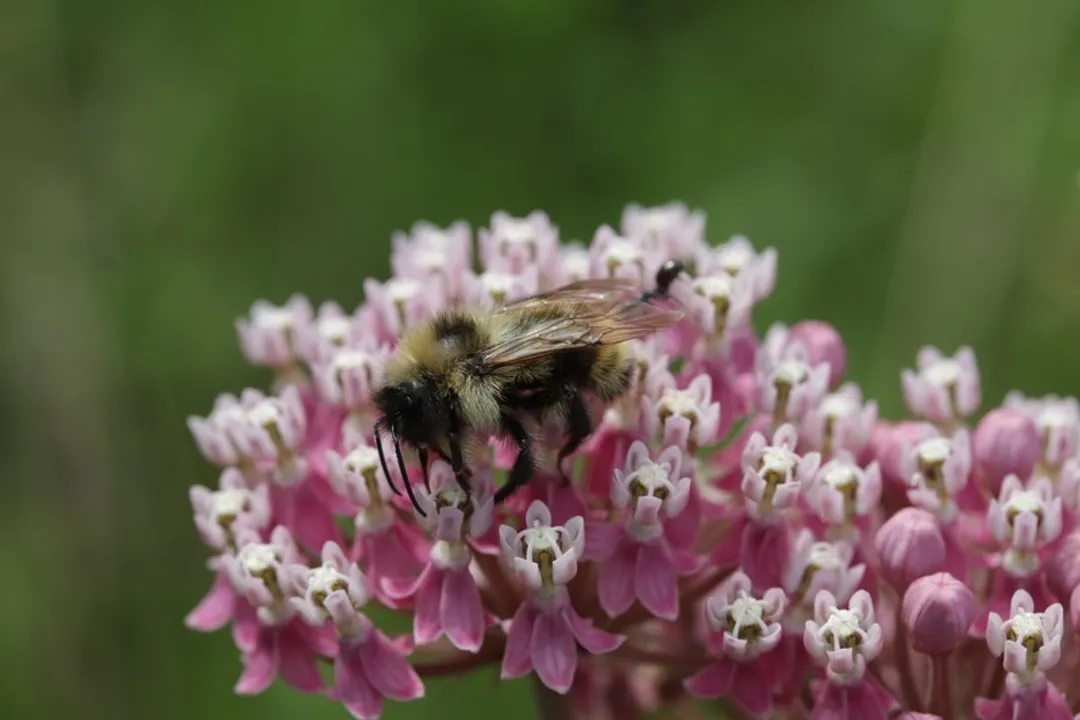
The evolution of the Yellowish Cuckoo Bumblebee is inextricably linked to the evolution of its host species. In Montana, for example, researchers have identified the Yellowish Cuckoo Bumblebee as potentially parasitizing several species, including Bombus affinis, Bombus impatiens, and Bombus ternarius. This host range is crucial, as the survival of the parasite is entirely dependent on the availability and success of the host.
If we consider an area where Bombus affinis (the Rusty Patched Bumble Bee), a species facing severe decline, is a primary host, the fate of B. fernaldae becomes precarious. This is where we can observe an evolutionary bottleneck imposed by external factors. The specialized relationship means that if a host species declines due to habitat loss, pesticide use, or disease, the parasite species relying on it faces immediate, disproportionate pressure. This dependency creates a form of evolutionary vulnerability: a highly specialized trait, advantageous in a stable environment, becomes a liability when the target environment shifts. In regions where historical hosts like B. affinis have disappeared, the Yellowish Cuckoo Bumblebee must either shift rapidly to a different, less-preferred host or face local extirpation. This rapid selection pressure for host switching is a key driver in the contemporary evolution of parasitic bees.
One interesting observation stemming from this obligate relationship is the potential for subtle co-evolution. Over long periods, a parasite population might evolve to mimic the chemical or visual cues of its host species more closely to ensure acceptance by host workers, a process that drives both species slightly further apart from their non-parasitic or non-host-specific relatives. While specific co-evolutionary examples for B. fernaldae are complex due to its taxonomic fluidity, the general principle suggests that tracking host population genetics can offer clues to parasite evolution. For local conservation efforts, recognizing that saving the host is functionally equivalent to saving the parasite offers an actionable focus: supporting the ecological health of the social bumblebee populations directly bolsters the survival chances of these specialized cuckoos.
# Distribution and Speciation
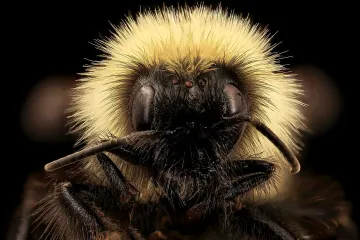
The geographic distribution of the Yellowish Cuckoo Bumblebee, spanning parts of North America, also contributes to understanding its evolution. Species boundaries are often defined by reproductive isolation, which can arise from geographic separation or ecological barriers. The historical range of B. fernaldae suggests a past environment where its hosts were abundant across a wide area.
If the current B. flavidus designation implies a broader, more widespread species, it suggests that the traits defining B. fernaldae as distinct might have been artifacts of regional isolation or minor morphological differences that are no longer considered significant at the species level. Conversely, if the older classification emphasized fernaldae as a distinct entity, that distinction likely stemmed from differences in morphology, behavior, or genetics compared to other Bombus species in other areas, pointing toward an allopatric speciation event where populations became separated and evolved independently.
The fact that these bees are often found where their social relatives thrive means that their distribution maps closely mirror the distribution of their hosts, offering an indirect measure of the historical ecological connections that shaped the lineage. The current patchwork distribution, particularly in areas where host species are declining, might be leading to the fragmentation of the parasite population itself. When populations become small and isolated, genetic drift can play a larger role in their evolution than natural selection, potentially leading to the fixation of unusual traits or, more dangerously, the loss of genetic diversity needed for future adaptation, such as adapting to a new host if the primary one fails.
This fragmented existence introduces a scenario that field ecologists closely monitor. Imagine a hypothetical area where the only remaining host is Bombus impatiens. The local B. fernaldae population would be under intense, unwavering selection pressure to perfect their invasion strategy against B. impatiens alone. Any genetic mutation that aids recognition or subduing B. impatiens would be rapidly favored, potentially driving the local parasite population down a micro-evolutionary path distinctly different from a population in another state whose primary host remains B. ternarius. This localized specialization, driven by necessity, is evolution in action, even if it occurs over just a few decades rather than millennia.
# Life Cycle Parallels
Despite their parasitic nature, cuckoo bumblebees retain some fundamental similarities in their annual cycle to their social cousins, highlighting the parts of their evolutionary past they have retained. Like the social queens, the female cuckoo bumblebee overwinters alone and emerges in the spring to initiate her reproductive effort. The difference lies in what she initiates. Instead of foraging for nectar and pollen to sustain herself while building a nest foundation, her first imperative is locating a suitable, active nest belonging to a queen of a susceptible species.
This synchronization is an evolutionary prerequisite. If the parasitic female emerges too early, her hosts have not yet started their colonies. If she emerges too late, the host colonies may be too large, too well-defended, or the host queen may have already been superseded by workers, making infiltration significantly harder or impossible. The timing of emergence and subsequent parasitic behavior is a finely tuned evolved response to the phenology of the host species.
The success of the entire Yellowish Cuckoo Bumblebee generation rests on this single, high-stakes spring encounter. If successful, her egg develops within the host's brood, and the resultant larvae are fed by the unwitting host workers. The mature, adult cuckoo bees that emerge later in the summer are typically only females (queens) that will mate and seek hibernation sites, as there are no workers to maintain the colony through the end of the season, a final testament to the specialization that has stripped away the social complexity. This lifecycle simplification, driven by the adoption of parasitism, is a clear example of evolutionary streamlining where unnecessary structures and behaviors are dropped in favor of maximizing reproductive success via hijacking existing infrastructure.
Related Questions
#Citations
Yellowish Cuckoo Bumblebee (formerly Fernald's ... - A-Z Animals
Flavid Cuckoo Bumble Bee - Conservation Guides
Bombus fernaldae - Wikipedia
Bombus flavidus - Bumble Bee Atlas
Flavid Cuckoo Bumble Bee - Montana Field Guide
Fernald's cuckoo bumble bee at Albany Bulb - Facebook
Wi BBB: Bombus flavidus
Cuckoo bumblebee | Research Starters - EBSCO
Fernald's Cuckoo Bumble Bee (Bombus fernaldae) - iNaturalist