Yellowish Cuckoo Bumblebee (formerly Fernald’s Cuckoo Bumblebee) Facts
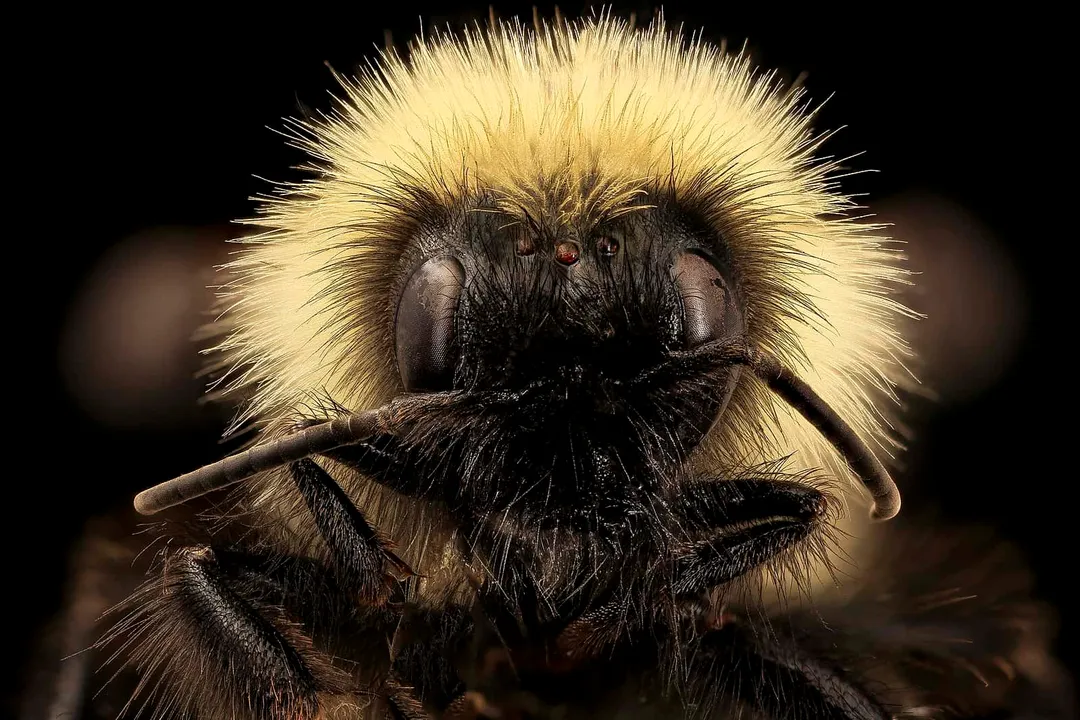
The Yellowish Cuckoo Bumblebee, scientifically designated as Bombus fernaldii, presents a fascinating, if sometimes challenging, subject for entomologists and local naturalists alike. [1][2] This species carries a history of name changes, previously being referred to as Fernald’s Cuckoo Bumblebee (Bombus fernaldi) or sometimes grouped under Bombus flavidus. [1][3][5] Understanding this bee requires looking past the shifting nomenclature to its unique, parasitic lifestyle, which sets it apart from most of its fuzzy North American relatives. [6]
# Name Changes
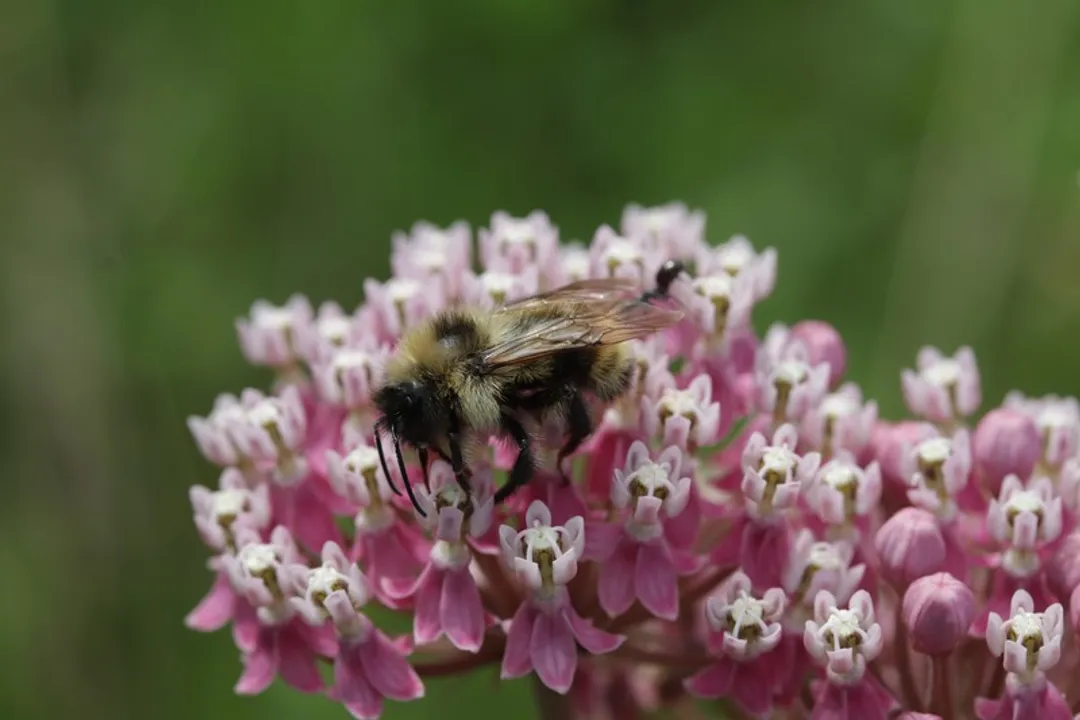
The constant revision of scientific names reflects evolving understanding in taxonomy. [2] While many people still recognize the older moniker, Fernald’s Cuckoo Bumblebee, the current accepted name is Bombus fernaldii. [1][3] This bird-like mode of reproduction—laying eggs in the nests of others—is characteristic of the cuckoo bumblebees, setting them apart ecologically from their non-parasitic cousins. [6][7]
# Distinct Features
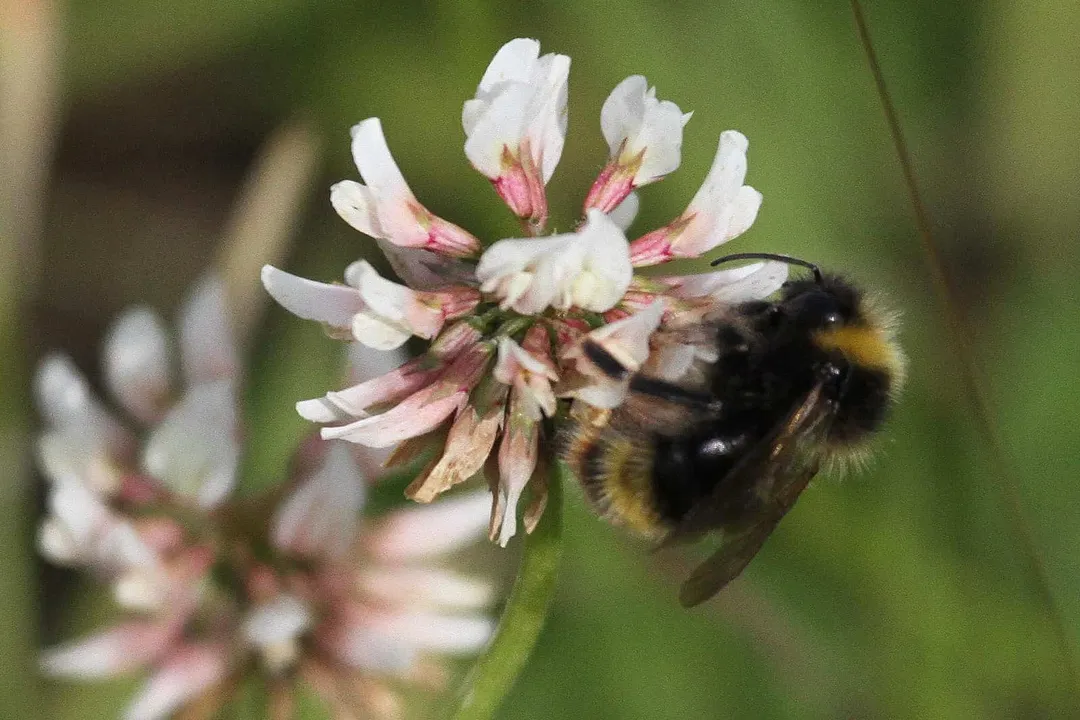
Identifying any cuckoo bumblebee female hinges on a critical physical difference from the solitary-nesting bees: the absence of specialized pollen-carrying structures. [5] Female cuckoo bumblebees, including B. fernaldii, lack the smooth, shiny patch, or corbicula, on their hind tibiae that pollen-collecting bees use to pack and transport pollen back to their nest. [7] This distinction is vital, as the females of parasitic species do not provision nests with pollen and nectar for their young; instead, they rely entirely on the labor of their unwitting hosts. [5]
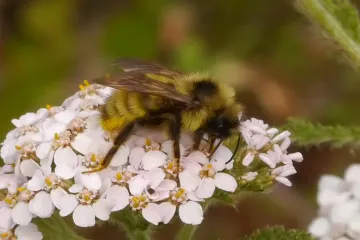
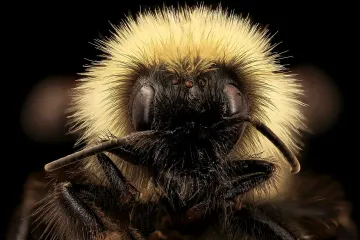
The general appearance of the Yellowish Cuckoo Bumblebee queen often trends toward paler coloration, living up to the "yellowish" descriptor. [1][8] Queens may display predominantly yellow hair on the pileum (the top of the head) and thorax. [3] In some instances, the abdomen shows little to no black banding, which can cause confusion with the color patterns of their host species. [3] It is worth noting that the males of B. fernaldii often exhibit more pronounced yellow coloration than the queens. [3] Workers, which are infrequently encountered because their time spent outside the nest is limited to foraging for themselves and their parasitic lineage, usually bear a strong resemblance to the workers of the species they have successfully invaded. [7]
When trying to distinguish a B. fernaldii queen from a queen of a common host like Bombus impatiens, the lack of pollen baskets is the definitive field mark for the cuckoo. [3] However, even this feature can be surprisingly tricky if the bee is moving quickly or if lighting conditions obscure the hind leg structure. A subtle point for observers is that a queen early in the season exhibiting an unusually pale or washed-out look compared to the typical dark B. impatiens queen in the same area warrants closer scrutiny, as this might be the invading B. fernaldii searching for a suitable nest to hijack. [3]
# Parasitic Strategy
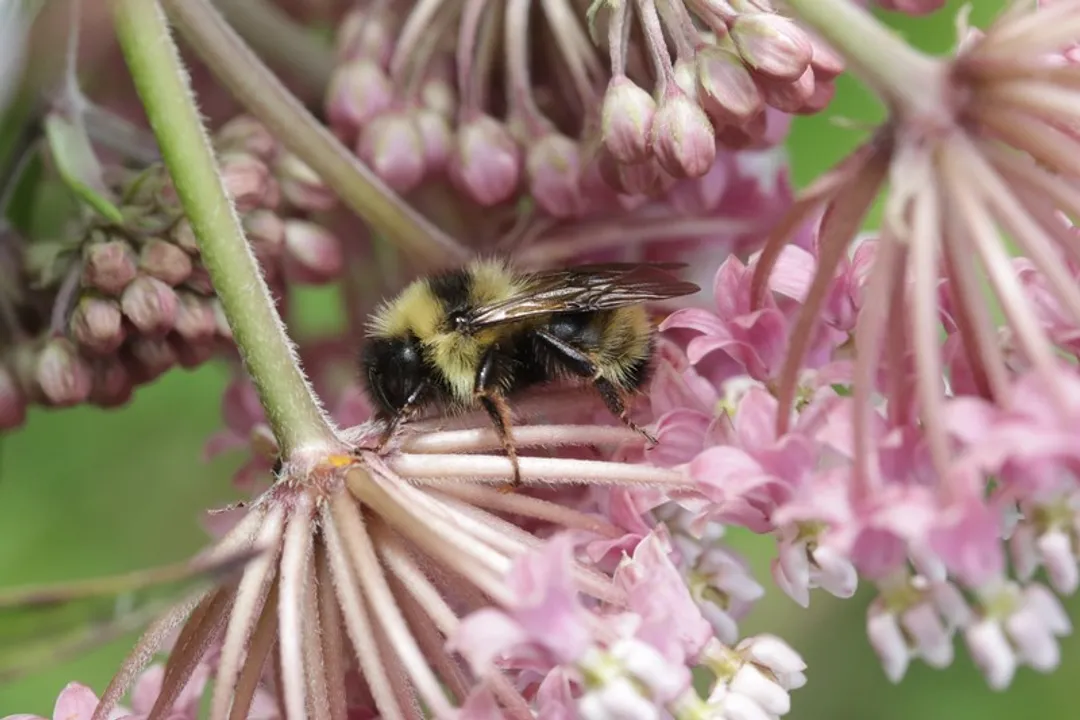
The entire reproductive cycle of B. fernaldii revolves around social parasitism. [7] The queen is the only sex of the parasitic species that undertakes the risky business of nest invasion. [7] After emerging, she seeks out an established nest belonging to a suitable host species. [2]
The process of establishing dominance is rarely peaceful. [7] The invading queen must physically overcome, incapacitate, or kill the resident queen of the host colony. [7] This usually involves intense physical confrontations, often utilizing her mandibles. [7] Once the host queen is removed, the parasitic queen releases pheromones that chemically suppress the natural reproductive cycle and aggressive tendencies of the host workers. [7] The workers, now effectively duped or chemically subdued, begin treating the invader as their own queen, rearing her brood alongside or instead of their own developing larvae. [7] This dependence on host labor means that B. fernaldii does not need to develop the same robust pollen-collecting apparatus as free-nesting bumblebees. [5]
# Host Species
The success of a cuckoo bumblebee is intrinsically linked to the abundance and behavior of its hosts. [2] Bombus fernaldii is known to target several common species within the Bombus genus. [7] Among the most frequently cited hosts are the Common Eastern Bumblebee (Bombus impatiens) and the Two-spotted Bumblebee (Bombus bimaculatus). [2][3] Records also indicate that it may target Bombus fervidus, the Rusty-patched Bumblebee, though documentation of specific host relationships can sometimes vary geographically. [7][3] For a naturalist in the northeastern United States, for instance, the presence of a B. fernaldii is almost always tied to the availability of B. impatiens nests. [3]
# Geographic Reach
The distribution of the Yellowish Cuckoo Bumblebee covers a significant portion of North America. [2] Its range extends across the Great Lakes region and eastward throughout much of the United States, with populations also documented in Canada. [3][9] While often associated with eastern and central regions, there is evidence placing this species further west as well, such as in Montana. [8]
This wide geographic spread suggests that the bee is somewhat adaptable to varying local climates, provided its required host species are present. [2] However, detailed mapping can be sparse because these bees are inherently harder to survey than social species, which leave behind large, obvious nests. [3] The distribution data often relies on incidental sightings of queens or males, making its presence patchy on atlases. [3]
# Ecological Niche
As social parasites, cuckoo bumblebees occupy a unique trophic level within the bee community. [6] Unlike the social species which build large, visible nests in the ground or cavities, B. fernaldii queens live a more solitary existence outside of the host nest, resembling behavior more typical of bumblebee males or solitary bees. [7] They feed on nectar and use their non-specialized legs to gather the necessary energy for their own survival and the initial invasion effort. [5]
The fate of the host colony, once successfully parasitized, is usually one of decline and eventual replacement by the cuckoo brood. [7] The parasitic lineage of the B. fernaldii queen effectively replaces the continuation of the host colony's line for that season. This method allows the parasitic species to "save" the energy and resources required for building a nest from scratch and gathering initial pollen loads, instead diverting those resources to host labor. [6]
# Conservation Considerations
While many focus on the plight of common, social bumblebees, the conservation status of their parasites is also an area of necessary inquiry. [3] In New York State, for example, the Yellowish Cuckoo Bumblebee is recognized as a Species of Special Concern. [3] This designation highlights that even species that seem to thrive by exploiting others can be vulnerable to broader environmental changes, such as habitat loss or pesticide use affecting their specific host populations. [3] If the primary hosts decline, the cuckoo species dependent on them will inevitably face population stress. [7] Monitoring the abundance of both the parasite and its hosts provides a more complete picture of the local pollinator health. [3]
# Field Observation Tips
For those actively involved in pollinator monitoring or backyard observation, differentiating the sexes and the species requires patience and careful attention to detail. Since workers are rare and typically mimic the host, observers should focus their search on the queens in early spring when they are first emerging and actively searching for nests. [3][7]
It is helpful to create a simple checklist for field identification of a potential B. fernaldii queen:
- Time of Year: Is it early spring (the typical emergence window for queens)?[7]
- Pollen Load: Are there any visible pollen loads packed onto the hind legs? If the answer is no, it is either a male or a female cuckoo. [5]
- Coloration: Does the pale yellow coloration seem unusually bright or predominant compared to typical local queens?[3]
- Behavior: Is the bee exhibiting overly aggressive or strangely furtive behavior near the entrance of a probable B. impatiens or B. bimaculatus nest site?[7]
If all these markers align—early season queen, no pollen baskets, and a pale appearance—the chance of having observed a Yellowish Cuckoo Bumblebee is quite high. [3] Successful identification contributes valuable data, especially since accurate distribution maps are often incomplete for these elusive insects. [3]
The reliance on host species also means that local land management practices have an indirect, but significant, effect on B. fernaldii. Protecting natural areas that support healthy populations of ground-nesting, social bumblebees—even those we might consider less charismatic—is essentially an act of conservation for their parasitic neighbors as well. [2] A decline in common Bombus impatiens populations due to pesticide drift, for instance, directly translates to fewer reproductive opportunities for the B. fernaldii queen that season. [3] This interconnectedness shows that the health of a pollinator community is measured not just by the abundance of the most visible members, but by the stability of all its constituent ecological roles. [6]
Related Questions
#Citations
Yellowish Cuckoo Bumblebee (formerly Fernald's ... - A-Z Animals
Bombus fernaldae - Wikipedia
Flavid Cuckoo Bumble Bee - Conservation Guides
Yellowish Cuckoo Bumblebee (formerly Fernald's ... - Wowzerful
Bombus flavidus - Bumble Bee Atlas
Cuckoo bumblebee | Research Starters - EBSCO
Wi BBB: Bombus flavidus
Flavid Cuckoo Bumble Bee - Montana Field Guide
Feature Bee - Bombus flavidus - Operation Galiwatch