Why does the Vestal Cuckoo Bumblebee possess thicker chitin and longer stingers than its host?
Answer
To engage in direct confrontation with the resident queen and workers.
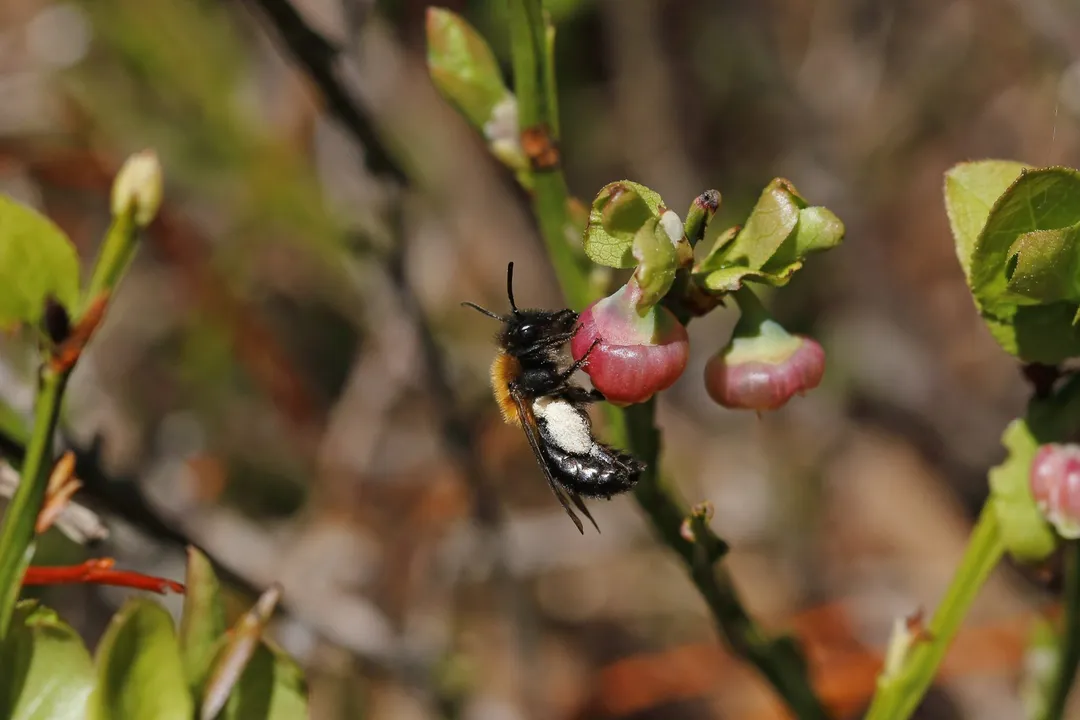
As a brood parasite, the Vestal Cuckoo must infiltrate and commandeer an established nest of a host species. Since it cannot build its own cells, it must enter a colony where it will likely face resistance from the resident queen and the worker bees. To survive these inevitable and aggressive encounters, the species has evolved stronger physical defenses, specifically thicker chitin for armor and longer, more powerful stingers, which allow the intruder to prevail in combat and secure the nest.
Related Questions
What specific anatomical structure do female Vestal Cuckoo Bumblebees lack that social bees use to collect pollen?What is the approximate maximum body length a female Vestal Cuckoo Bumblebee queen can reach?How does the antennal structure of the male Vestal Cuckoo Bumblebee help distinguish it from similar species?Which species acts as the primary host for the Vestal Cuckoo Bumblebee?What color is the distinct band of hair found behind the head of the Vestal Cuckoo Bumblebee?Why does the Vestal Cuckoo Bumblebee possess thicker chitin and longer stingers than its host?What is a defining visual characteristic of the wings of the Vestal Cuckoo Bumblebee?What distinctive color is found on the fifth abdominal segment of the Vestal Cuckoo Bumblebee?What is a key difference in yellow coloration between the Vestal Cuckoo and the Gypsy Cuckoo Bee?What is the biological consequence of the Vestal Cuckoo Bumblebee having underdeveloped wax glands?