What is the biological consequence of the Vestal Cuckoo Bumblebee having underdeveloped wax glands?
Answer
It cannot construct its own larval cells or food storage pots.
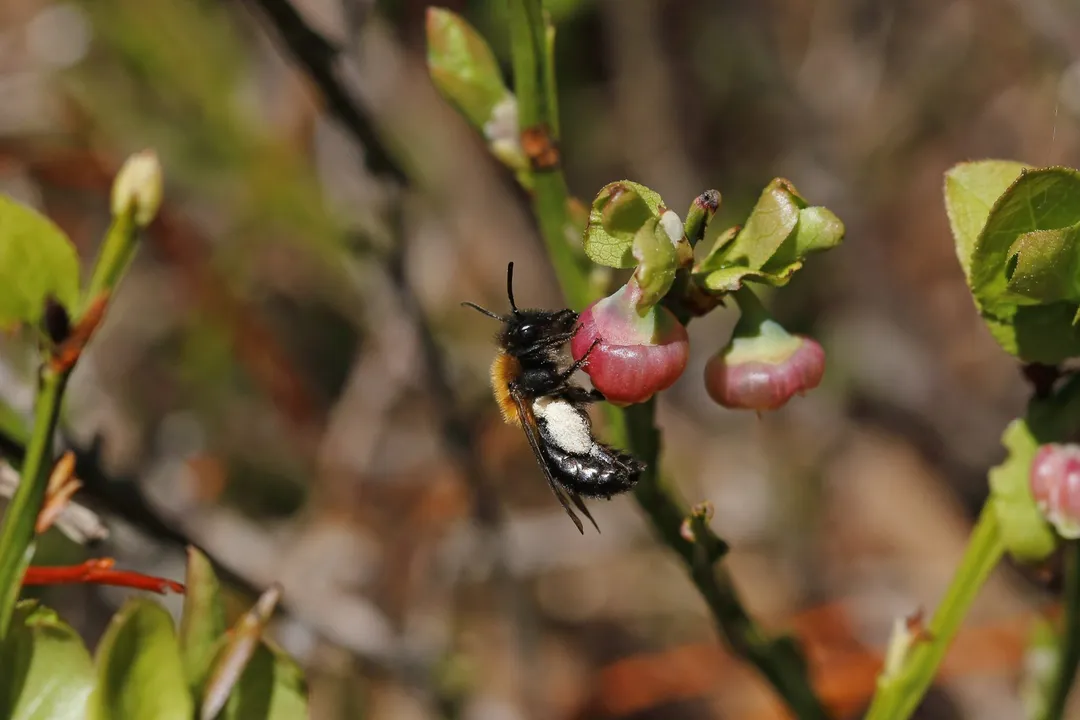
The possession of underdeveloped and non-functional wax glands is a fundamental biological shift resulting from the parasitic lifestyle of the species. Because wax is required to build the structural components of a nest, such as larval cells and food storage pots, the Vestal Cuckoo is entirely incapable of colony maintenance. This lack of ability forces the bee to rely on the labor and infrastructure of host nests, where it essentially hijacks the facilities created by the host bees to raise its own brood.
Related Questions
What specific anatomical structure do female Vestal Cuckoo Bumblebees lack that social bees use to collect pollen?What is the approximate maximum body length a female Vestal Cuckoo Bumblebee queen can reach?How does the antennal structure of the male Vestal Cuckoo Bumblebee help distinguish it from similar species?Which species acts as the primary host for the Vestal Cuckoo Bumblebee?What color is the distinct band of hair found behind the head of the Vestal Cuckoo Bumblebee?Why does the Vestal Cuckoo Bumblebee possess thicker chitin and longer stingers than its host?What is a defining visual characteristic of the wings of the Vestal Cuckoo Bumblebee?What distinctive color is found on the fifth abdominal segment of the Vestal Cuckoo Bumblebee?What is a key difference in yellow coloration between the Vestal Cuckoo and the Gypsy Cuckoo Bee?What is the biological consequence of the Vestal Cuckoo Bumblebee having underdeveloped wax glands?