Why does the Bombus vestalis face higher conservation risks compared to generalist species?
Answer
It is an obligate specialist highly dependent on specific host populations
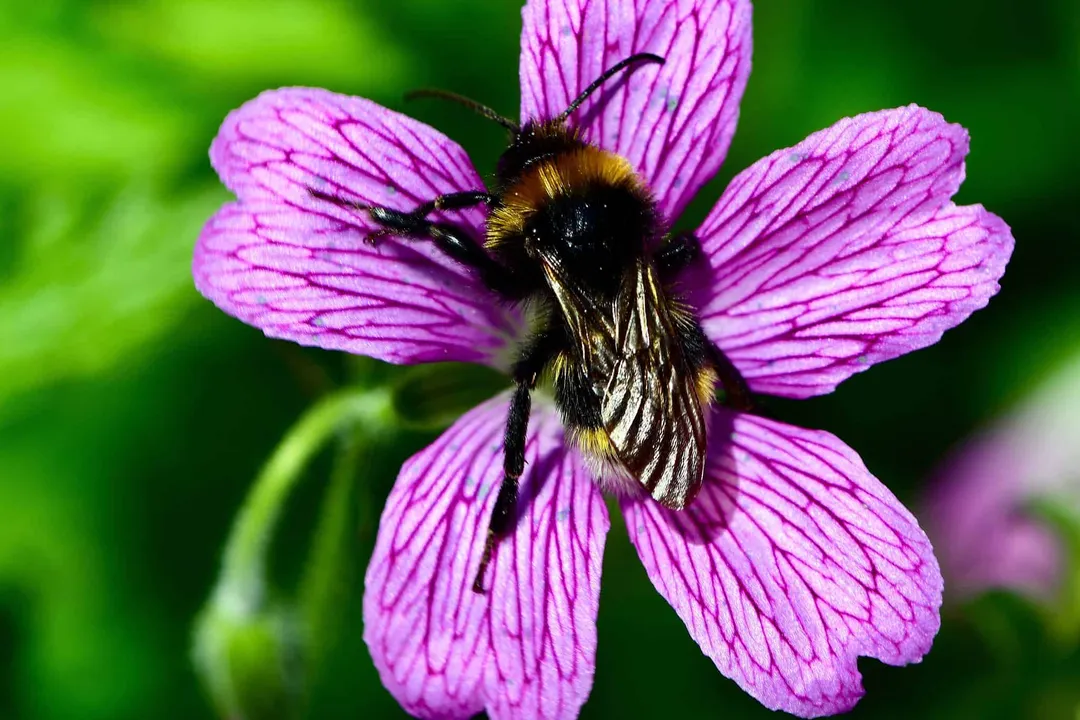
The Bombus vestalis is an obligate specialist, meaning its entire lifecycle and physical adaptations are specialized for overcoming the defenses of specific host species. Because it lacks the phenotypic plasticity to switch hosts or adapt to new ones, any decline in its preferred host species—due to factors like pesticide use or habitat loss—directly threatens its survival. This tight co-evolutionary bond acts as a bottleneck, making the parasite unable to cope with the loss or significant population reduction of its limited host options.
Related Questions
What specialized foraging structure is missing in the female Bombus vestalis?What primary energy trade-off exists for the female Bombus vestalis?Which term accurately describes the parasitic reproductive behavior of the Bombus vestalis?To which specific subgenus does the Bombus vestalis belong?Which bumblebee species serves as a common host for the Bombus vestalis?Which physical adaptations are critical for the Bombus vestalis during the takeover of a host nest?From what ancestral group is the Psithyrus lineage believed to have evolved?What is the typical fate of the host queen during a successful Bombus vestalis invasion?Why does the Bombus vestalis face higher conservation risks compared to generalist species?How does the reproductive strategy of the Bombus vestalis compare to that of Nomad bees?