What is the typical fate of the host queen during a successful Bombus vestalis invasion?
Answer
The host queen is killed by the parasite
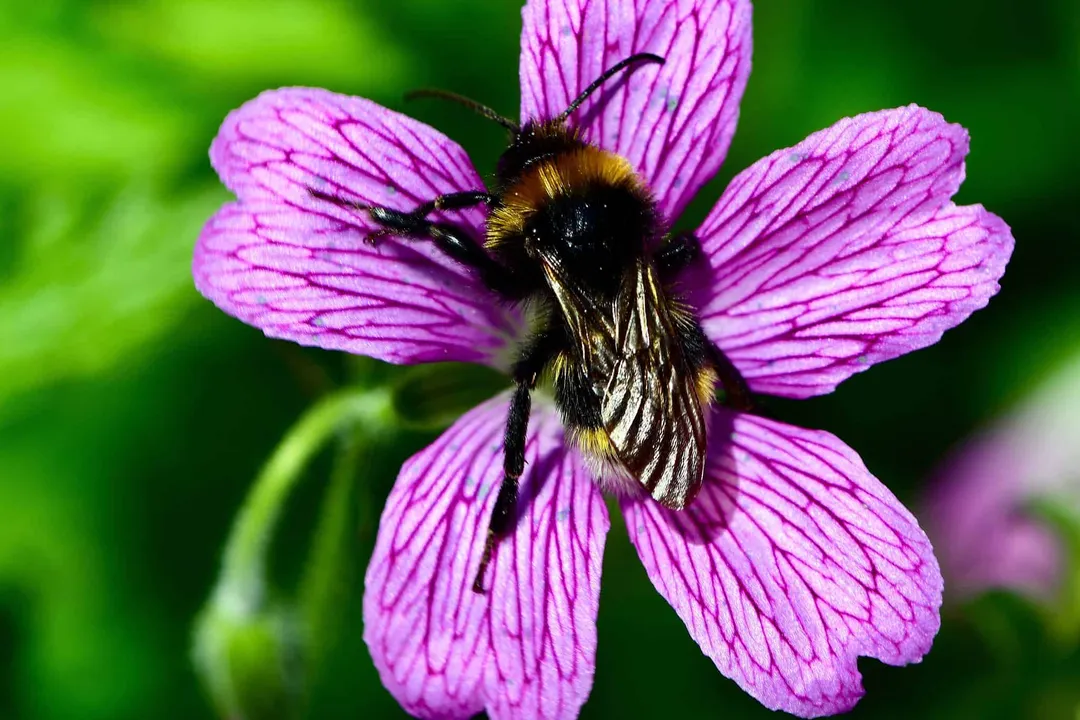
The usurpation process is an absolute, high-stakes battle for control of the reproductive center of the nest. For the Bombus vestalis to assume control, she must eliminate the competition entirely. Upon successfully penetrating the nest and surviving the initial defense, the parasite queen attacks and kills the resident host queen. Once the original queen is removed, the parasite takes over as the sole reproductive individual in the colony, utilizing the existing workers to rear her own brood.
Related Questions
What specialized foraging structure is missing in the female Bombus vestalis?What primary energy trade-off exists for the female Bombus vestalis?Which term accurately describes the parasitic reproductive behavior of the Bombus vestalis?To which specific subgenus does the Bombus vestalis belong?Which bumblebee species serves as a common host for the Bombus vestalis?Which physical adaptations are critical for the Bombus vestalis during the takeover of a host nest?From what ancestral group is the Psithyrus lineage believed to have evolved?What is the typical fate of the host queen during a successful Bombus vestalis invasion?Why does the Bombus vestalis face higher conservation risks compared to generalist species?How does the reproductive strategy of the Bombus vestalis compare to that of Nomad bees?