Zebra Tarantula Physical Characteristics
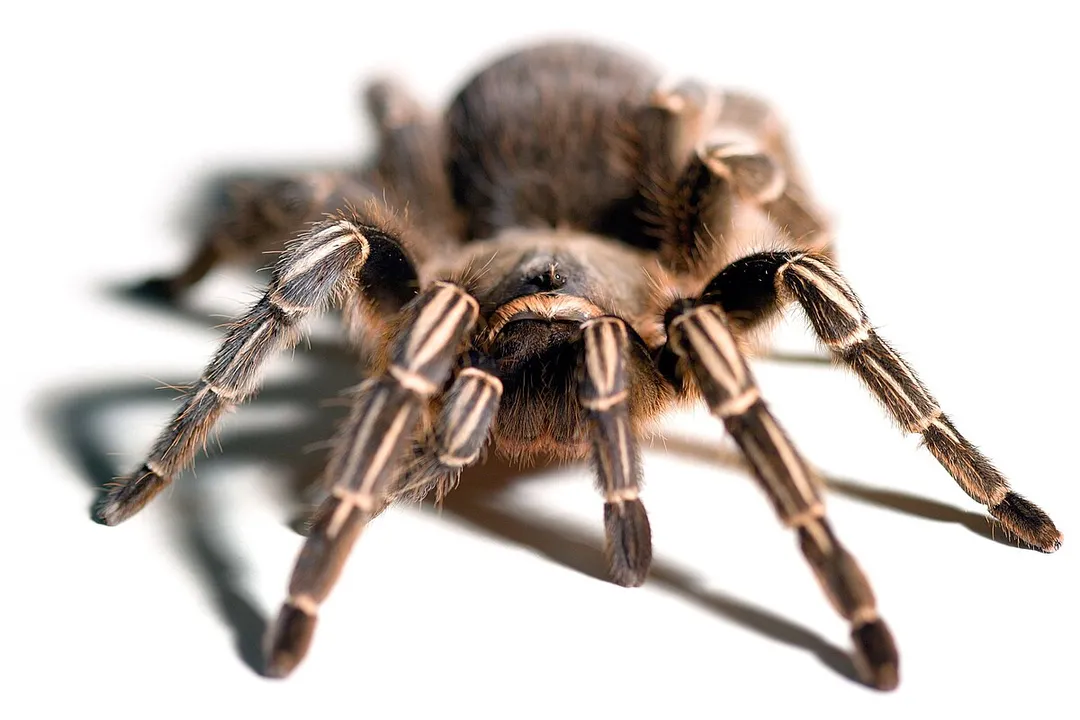
The Aphonopelma seemanni, commonly known across the enthusiast community as the Zebra Tarantula or the Costa Rican Striped Knee Tarantula, earns its name almost instantly upon viewing its distinctive coloration. [1][2] This species is immediately recognizable due to the stark contrast between its dark body and the pale markings adorning its legs. [5][7] While many tarantulas offer subtle beauty, the A. seemanni presents a bold, almost graphic look that sets it apart in the arachnid world. [3]
# Size Scale
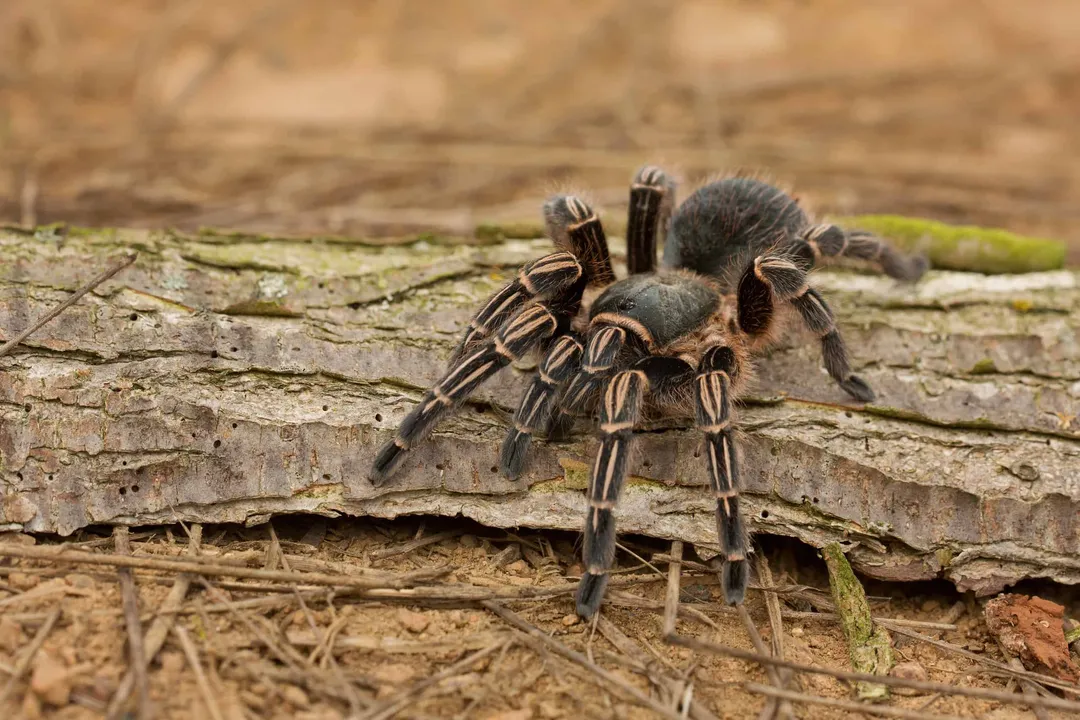
One of the most practical characteristics to note when observing this species is the difference in size between the sexes. [1] Females are substantially larger and more robust than their male counterparts. [1][5] A mature female Aphonopelma seemanni can generally achieve a leg span ranging from 5 to 6 inches across. [1][2][4][5] Conversely, the males are considerably smaller, typically maxing out around 4 to 5 inches in leg span when fully grown. [1] This size disparity is common across many tarantula species, often reflecting the different priorities of the sexes: females needing mass for egg production, and males focusing energy on rapid maturation to seek a mate. [1]
# Striped Pattern
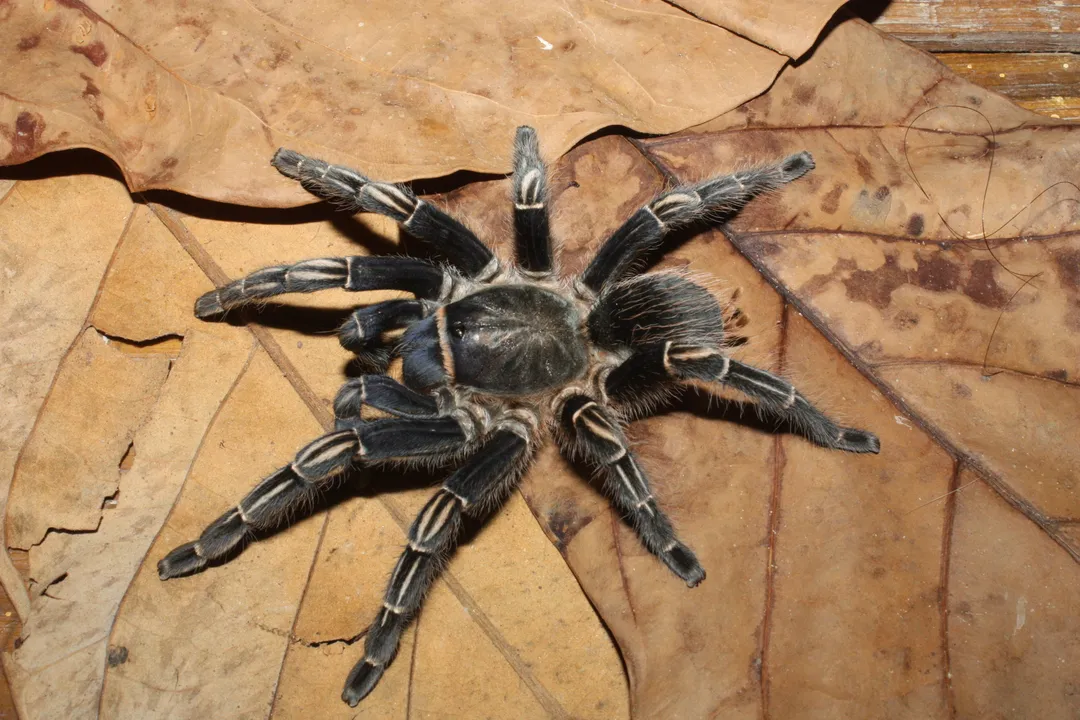
The defining physical attribute, which grants the tarantula its common names, is the pattern found on its legs. [3][7] The main body—the carapace and the abdomen—is generally a deep, dark brown or solid black color. [1] Set against this dark background are prominent bands of white or cream-colored markings. [2] These markings are primarily located on the femurs of the legs, which are the segments closest to the body, creating the appearance of white ‘knees’ or stripes looping around the legs. [1][7]
The high visual contrast between the black and white sections is quite pronounced. In the often dimly lit, scrubby environments these terrestrial spiders inhabit in the wild, such high-contrast markings can serve several roles beyond simple aesthetics. While flash displays are more common in arboreal species, for a ground-dwelling spider that relies on sudden movements or ground vibrations, a quick flash of a high-contrast pattern might momentarily startle a potential predator long enough to allow the tarantula to retreat into its burrow. [3]
# Body Details
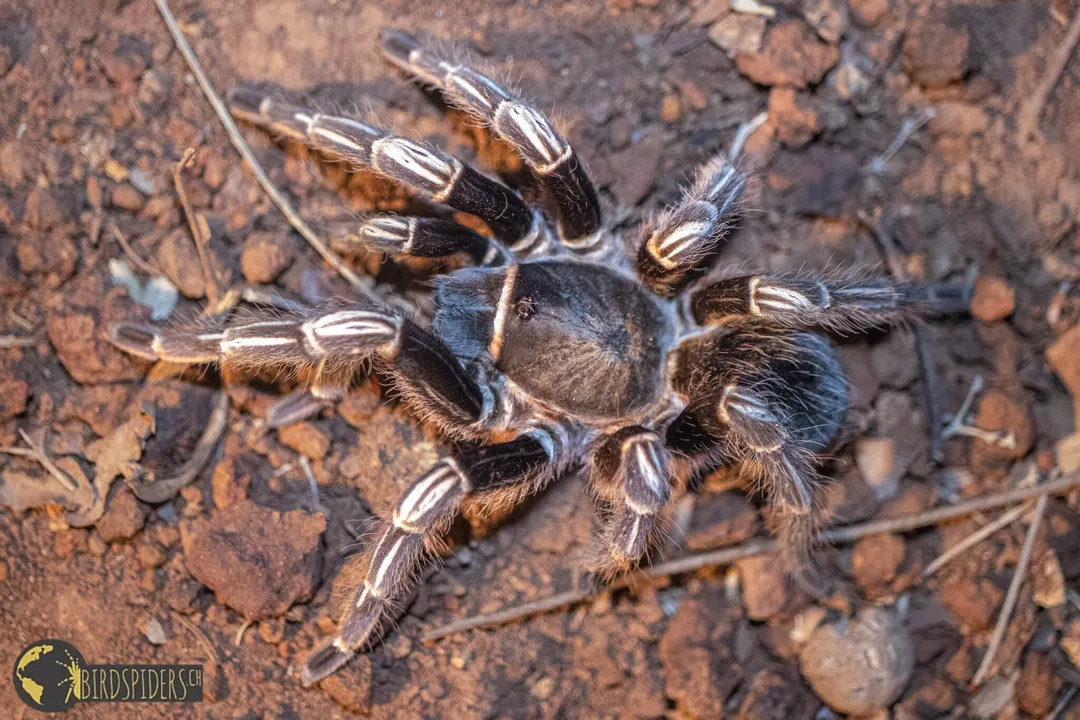
The main body structure of the Zebra Tarantula adheres to the general morphology of the Aphonopelma genus. The carapace, the hard upper shell covering the cephalothorax, is dark. [1] The abdomen is also dark and typically covered in dense, short hairs. [5] These hairs are significant because they are the species' primary chemical defense mechanism: urticating hairs. [1][7] If threatened by a non-venomous predator, the tarantula will use its hind legs to flick these barbed hairs off its abdomen toward the attacker. [1][5] These hairs can cause significant irritation to the skin, eyes, or mucous membranes of the aggressor. [1] It is important to note that while the hairs are a primary defense, the spider also possesses venom, though its venom is generally considered mild to humans. [7]
It is worth observing the density and texture of the hair covering, as even slight variations can indicate the health or recent molt of the individual. A freshly molted tarantula will display incredibly vibrant black and white colors with fuzzier, softer hairs, whereas an older tarantula might appear duller as the microscopic barbs on the urticating hairs begin to wear down or become soiled. [5]
# Gender Differences
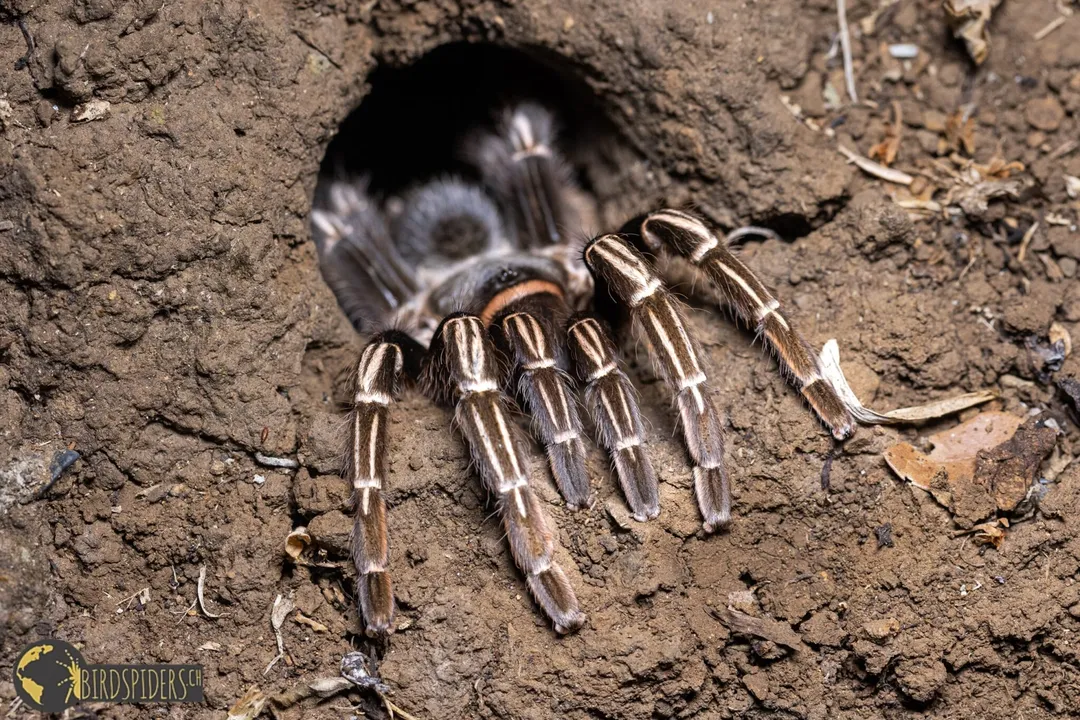
Beyond the size difference, there are distinct morphological features that allow for sexing an A. seemanni, particularly in adult specimens. [1] Males possess specialized structures on their first pair of legs, namely a tibial hook or spur. [1] This hook is a critical tool used during mating, as the male employs it to hold onto the female's fangs, preventing her from striking him while he attempts to inseminate her. [1] Furthermore, the pedipalps (the smaller, leg-like appendages near the mouth) on mature males are often noticeably larger than those on females, appearing bulbous near the tips due to housing the actual reproductive organs. [1]
These physical distinctions are tied to the male's life cycle. Once a male reaches maturity, its focus shifts entirely to reproduction, and it typically survives only about a year after its final molt. [1] In contrast, the females are known for their longevity, often living for twenty years or more in captivity. [5] Considering the sheer difference in lifespan, the male's specialized, though short-lived, features are a reflection of this intense reproductive drive.
# Color Variations
While the classic black and white striped look is the most common presentation for Aphonopelma seemanni, especially those sourced from the primary Costa Rican locales, the species can exhibit variations. [9] In certain captive lines or different geographical populations, observers have noted what is termed the "Blue form". [9] In these specimens, the darker areas, particularly the carapace or sometimes even the legs, can exhibit a striking blue or purplish tint, especially visible in juveniles or freshly molted adults. [9] This color variation provides a fascinating look at intraspecies diversity within what is often perceived as a very standard-looking tarantula. [5]
The species is generally characterized as terrestrial, meaning its physical structure—stocky legs, broad body—is built for navigating the ground rather than climbing high into trees. [3][5] The leg length to body width ratio is optimized for stability and burrowing, which informs its need for specific substrate depth in a captive setting to allow for natural digging behaviors. [3] This grounded structure contrasts sharply with the long, slender legs of truly arboreal species, showcasing how physical form directly correlates with ecological niche.
Related Questions
#Citations
Aphonopelma seemanni - Wikipedia
Zebra Tarantula - Aphonopelma seemanni - A-Z Animals
The Costa Rican Zebra Tarantula: A Striped Beauty of the Dry Forests |
Zebra Tarantula Facts & Photos | Wowzerful
Aphonopelma seemanni Care - The Tarantula Collective
Zebra Tarantula - Woodbridge Aquarium & Wildlife Center
Costa Rican Zebra Stripped Knee (Aphonopelma seemanni) care ...
Aphonopelma seemanni – Costa Rica Zebra Tarantula
Aphonopelma seemanni Blue Form juvenile and adult female. The ...