Zebra Tarantula Facts
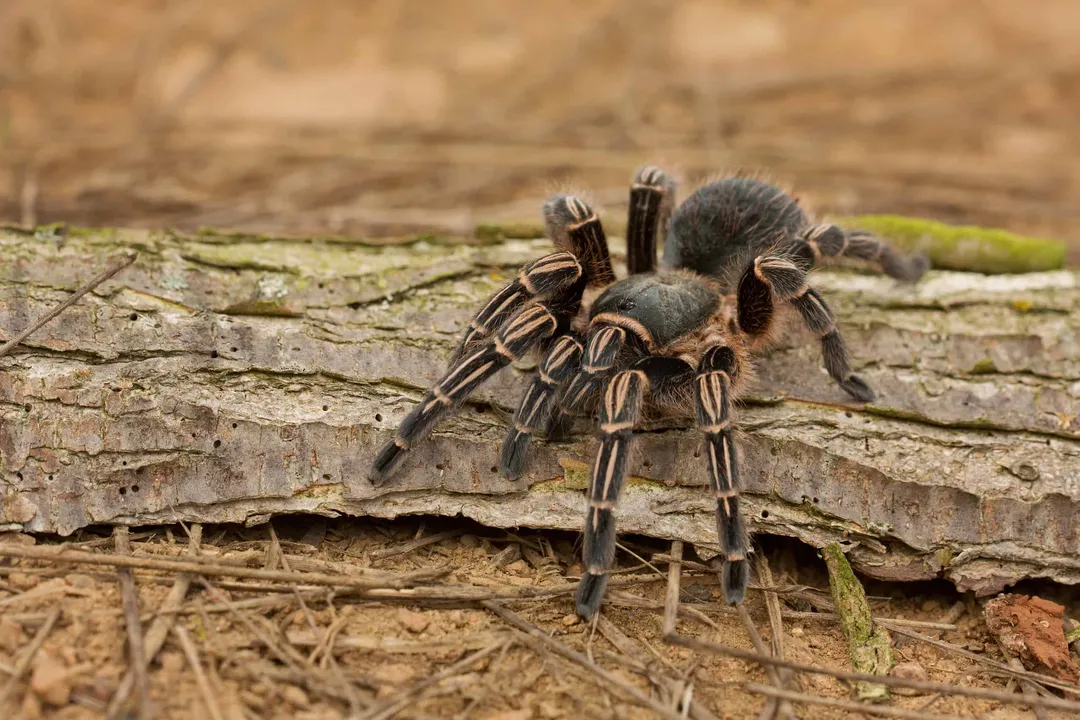
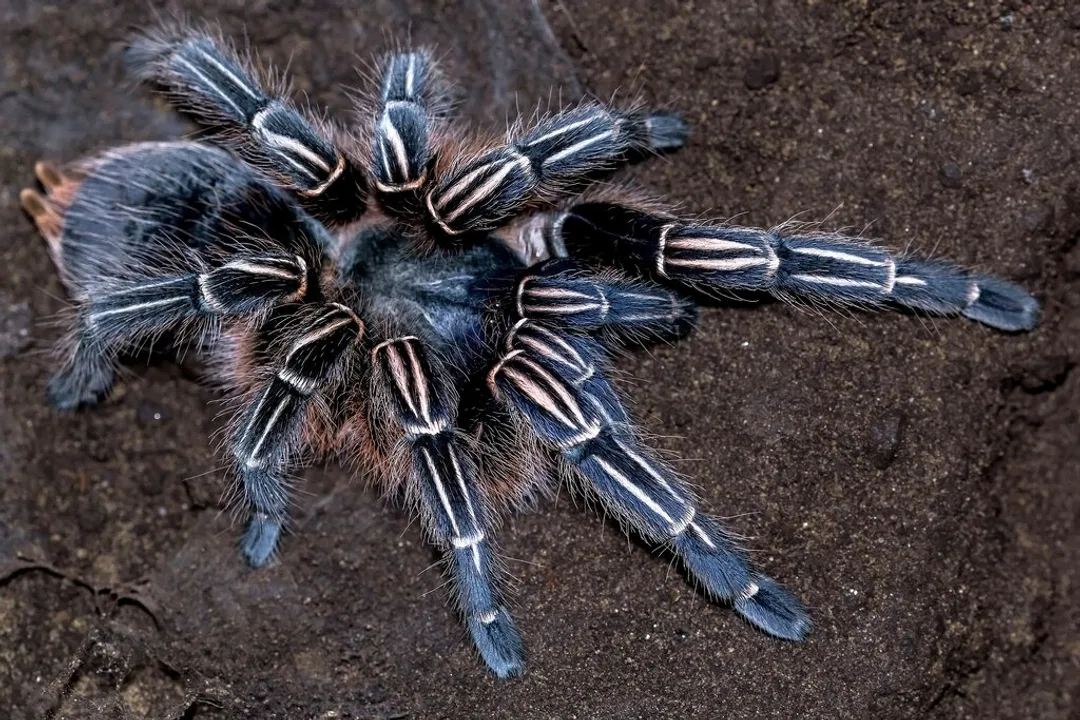
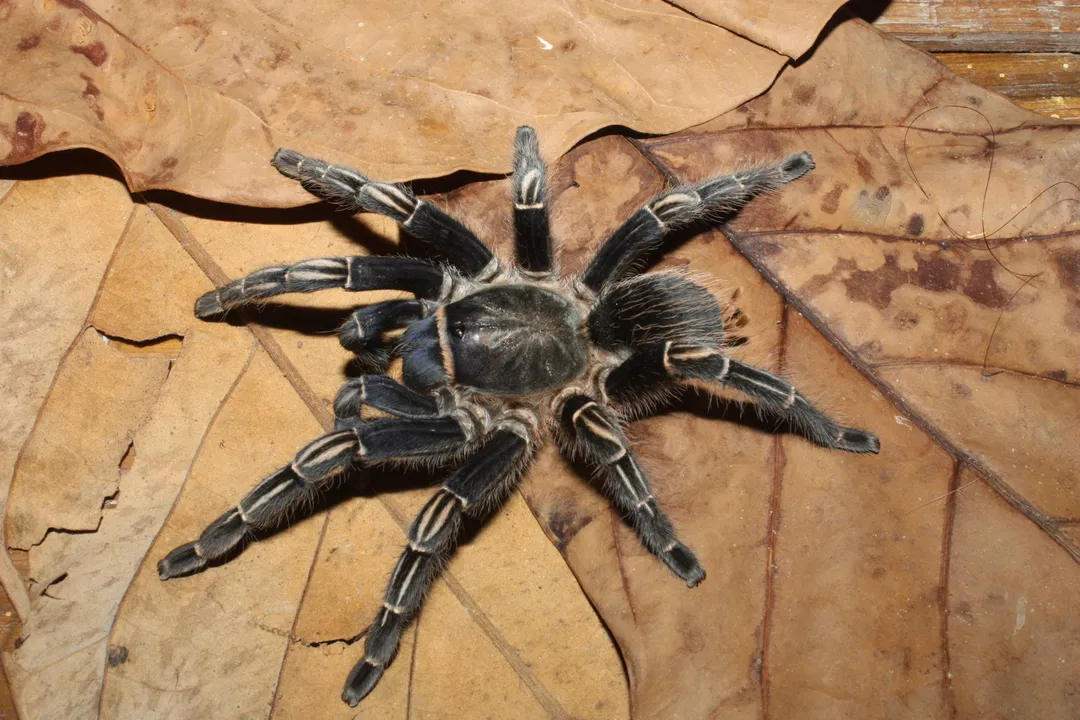
The Aphonopelma seemanni, commonly known by several descriptive names, is a striking arachnid that has captured the attention of many enthusiasts. [7] Known internationally as the Costa Rican Zebra Tarantula, [2][5][7] it also goes by the moniker Striped Knee Tarantula, [7] or sometimes the Costa Rican Striped Knee Tarantula. [7] While "Zebra" might suggest stripes across the entire body, the defining characteristic is actually the prominent white or cream-colored banding found specifically on the joints of its legs, often referred to as the 'knees'. [1][2][5] This visual distinction sets it apart, making the "Striped Knee" name perhaps the most taxonomically descriptive of its common identifiers. [7]
# Physical Traits
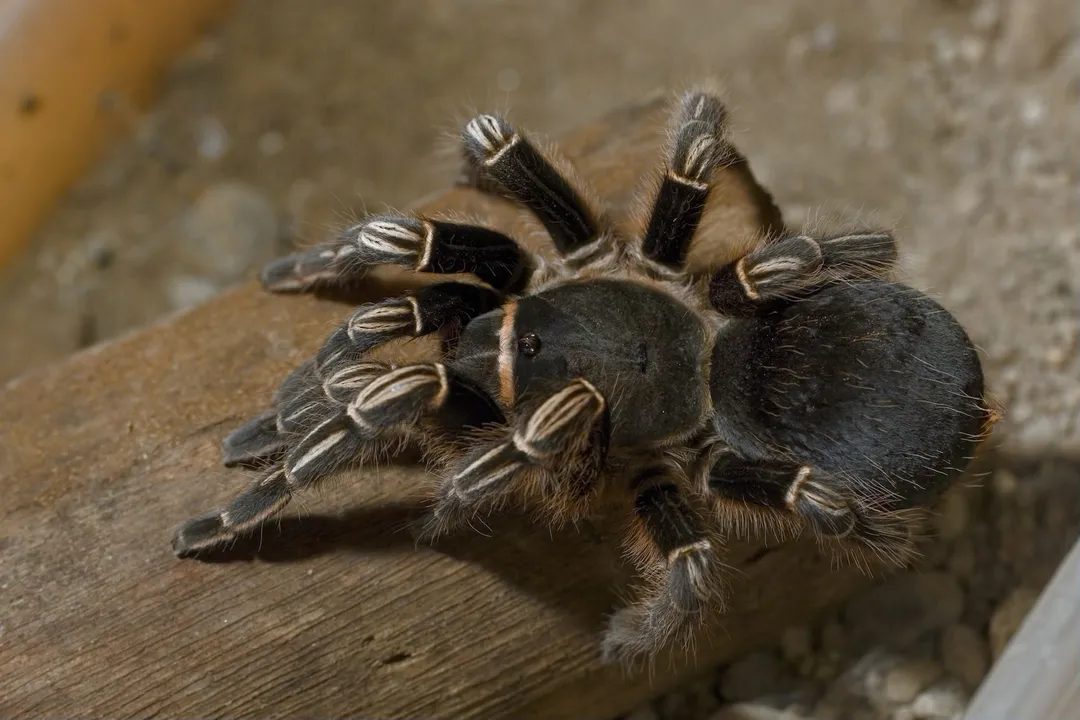
The coloration of this species is typically a stark black or a very deep brown across the cephalothorax and abdomen. [1][5] This dark background dramatically contrasts with the light markings on the legs. [2] As a terrestrial species, it spends most of its life on the ground. [5][6][9] When fully grown, females are noticeably larger than their male counterparts. [1] Mature females can achieve a leg span reaching up to approximately 5.5 inches. [5] Males tend to mature faster, often appearing slightly smaller overall when mature compared to a fully grown female. [5]
# Native Environment
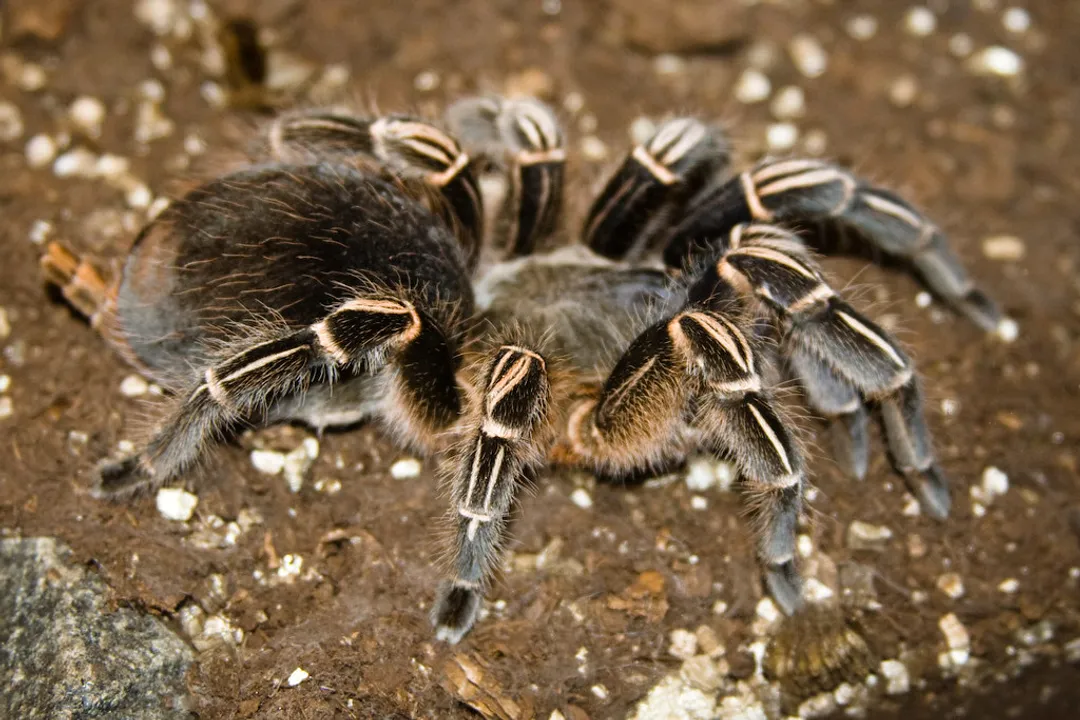
The natural home of the Aphonopelma seemanni is Central America, with its primary distribution being Costa Rica. [2][5][7] Within this region, they are adapted to environments described as dry forests. [4] In the wild, these tarantulas are known to exhibit significant fossorial (burrowing) behavior. [4][5][6] They construct and inhabit burrows, which provide them with a stable microclimate, offering protection from temperature fluctuations and predators. [4]
# Behavior and Defense
When it comes to temperament, the Zebra Tarantula is generally regarded as being on the more docile end of the spectrum for the tarantula hobby. [3][5][8] This relative calmness, combined with its striking looks, contributes to its popularity among keepers, sometimes leading to it being recommended for those new to keeping tarantulas. [3][8] However, like many New World species, they possess a chemical defense mechanism that should not be ignored. [1][5] When feeling threatened or stressed, A. seemanni will employ the use of urticating hairs. [1][5] These fine hairs are flicked from the spider's abdomen using its hind legs toward the perceived threat. [1][5] Contact with skin can cause irritation and itching, and if they reach the eyes or respiratory system, they can be considerably more problematic. [5] While they can bite if severely provoked or mishandled, it is not their first line of defense. [5] It is also worth noting that despite their generally calm demeanor, they are capable of moving quite rapidly when they choose to flee. [1]
| Characteristic | Female | Male |
|---|---|---|
| Mature Size (Leg Span) | Up to 5.5 inches [5] | Generally smaller [1] |
| Lifespan | Up to 20+ years [5] | 3–5 years post-maturation [5] |
| Primary Defense | Urticating hairs [1][5] | Urticating hairs [1][5] |
# Setting Up Home
Keeping the Costa Rican Zebra Tarantula successfully requires acknowledging its terrestrial nature. [6] The enclosure setup should prioritize floor space over vertical height, minimizing the distance the spider would fall if it climbs. [6] For an adult specimen, a secure enclosure, perhaps in the 5 to 10-gallon range, is commonly suggested, provided it offers ample surface area. [5] Security is paramount, meaning the enclosure must have a tightly fitting and locking lid to prevent escapes. [5]
A critical element for A. seemanni husbandry is the substrate. [5][6] Because these spiders are natural burrowers, they require a substantial amount of deep substrate material to allow for natural digging behavior. [5][6] Aiming for a depth of about four to six inches allows them to create their own secure hideaway, mimicking their natural environment more closely than simply providing a pre-made structure. [5][6] A good substrate mix that retains shape for digging is often preferred. [6]
Beyond the substrate, a dedicated hide is still recommended, often a piece of cork bark or a commercially available small shelter placed partially buried into the substrate. [5][6] Furthermore, providing a source of fresh water is non-negotiable; a shallow, wide water dish should be kept available at all times. [5]
Compared to some tropical species, the humidity requirements for this arachnid are relatively straightforward, leaning towards drier conditions. [5][6] They thrive at typical room temperatures, generally not requiring supplemental heat sources if the house is kept comfortably warm. [5] Owners should err on the side of caution regarding misting; while they need hydration, excessive dampness in the substrate can lead to stagnant conditions detrimental to the spider's health. [5][6] A light misting of one side of the enclosure occasionally, or simply keeping the water dish full, often suffices to maintain the necessary environmental balance. [5]
# Longevity and Life Cycles
The lifespan variation between the sexes in Aphonopelma seemanni is one of the more dramatic aspects of their biology. [5] While the females are known for their longevity, potentially living for two decades or more with excellent care, the males have a much shorter adult tenure. [5] Once a male reaches sexual maturity, his remaining lifespan is often only about three to five years. [5] This difference means that when acquiring a pair, keepers must manage expectations regarding long-term companionship with the male, whereas the female can be a long-term resident of the collection. [5] This disparity in lifespan is common across many tarantula genera, but the two-decade potential for the female A. seemanni is certainly noteworthy. [5]
Related Questions
#Citations
Zebra Tarantula - Aphonopelma seemanni - A-Z Animals
Costa Rican Zebra Tarantula: A Fascinating Arachnid of Central ...
Zebra Tarantula Facts & Photos | Wowzerful
The Costa Rican Zebra Tarantula: A Striped Beauty of the Dry Forests |
Aphonopelma seemanni Care - The Tarantula Collective
Aphonopelma Seemanni | Costa Rican Zebra | Tarantula Care Guide
The Costa Rican striped-knee tarantula (Aphonopelma seemanni) is ...
How to Care for a Pet Costa Rican Zebra Tarantula
Costa Rican Zebra-leg Tarantula