Zebra Tarantula Locations
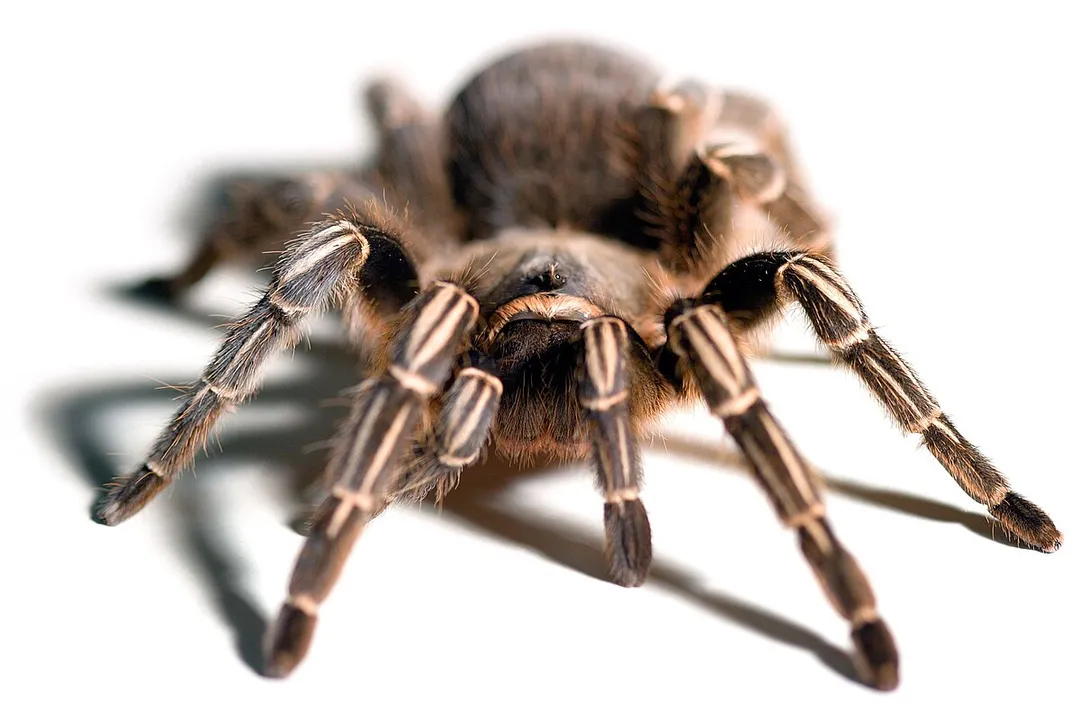
The mere mention of a Zebra Tarantula conjures images of bold black and white striping, but understanding where these fascinating arachnids actually live requires looking closely at their specific scientific classification, primarily centering around the species Aphonopelma seemanni. [1][3] While popular names can sometimes cause confusion, the true native range of this species is firmly anchored in Central America, specifically the dryer regions of countries like Costa Rica, Guatemala, Nicaragua, and Panama. [1][2][5][6] It’s a common point of discussion among enthusiasts that the animal is frequently referred to as the Costa Rican Striped Knee Tarantula, a name that clearly points to its primary association. [3][5]
# Geographic Distribution
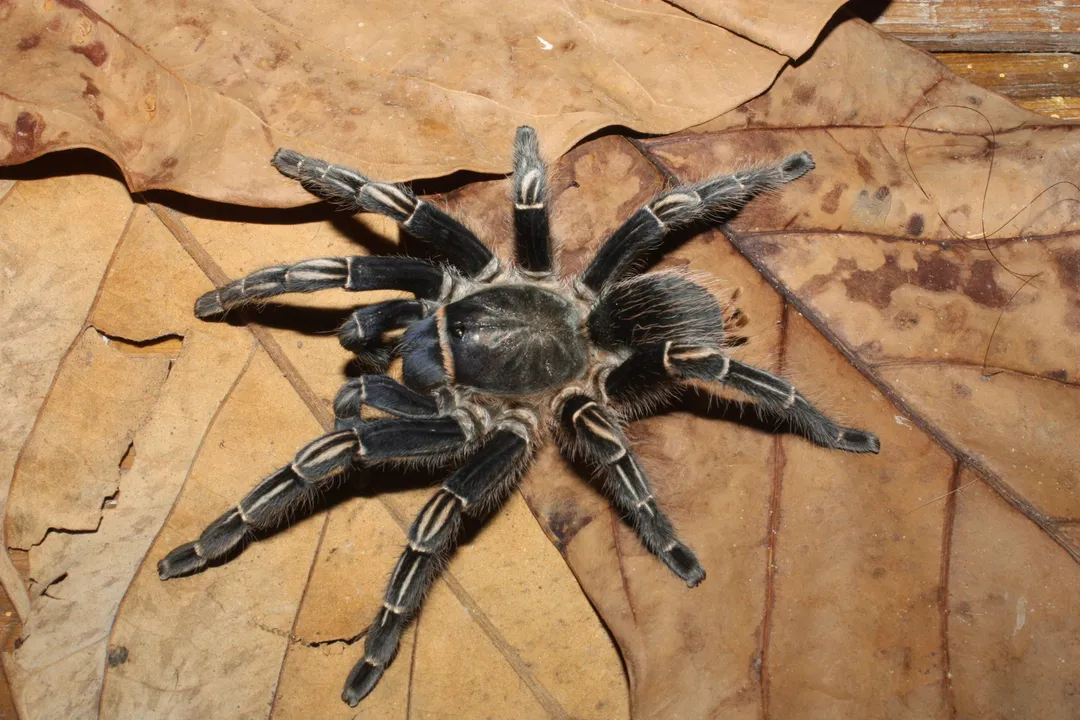
The most concentrated data points towards Costa Rica as the epicenter of A. seemanni distribution. [7][8] However, the species is not exclusively confined to that nation's borders. Its territory extends northward into Guatemala and Nicaragua, and southward into Panama. [1][2] This spread across several Central American nations suggests a tolerance for slightly varying microclimates, provided the core environmental conditions are met. [5] When studying the known locations, it becomes apparent that this spider inhabits an area defined more by its climate type—dry forest and scrubland—than by strict political boundaries. [2][5]
For those interested in field observation or understanding captive breeding stock origins, knowing this distribution matters. If one were to study these spiders in their natural environment, efforts would need to focus on the specific ecological niches within these countries rather than just random areas, as their required habitat is somewhat specific. [2][5]
# Habitat Specifics
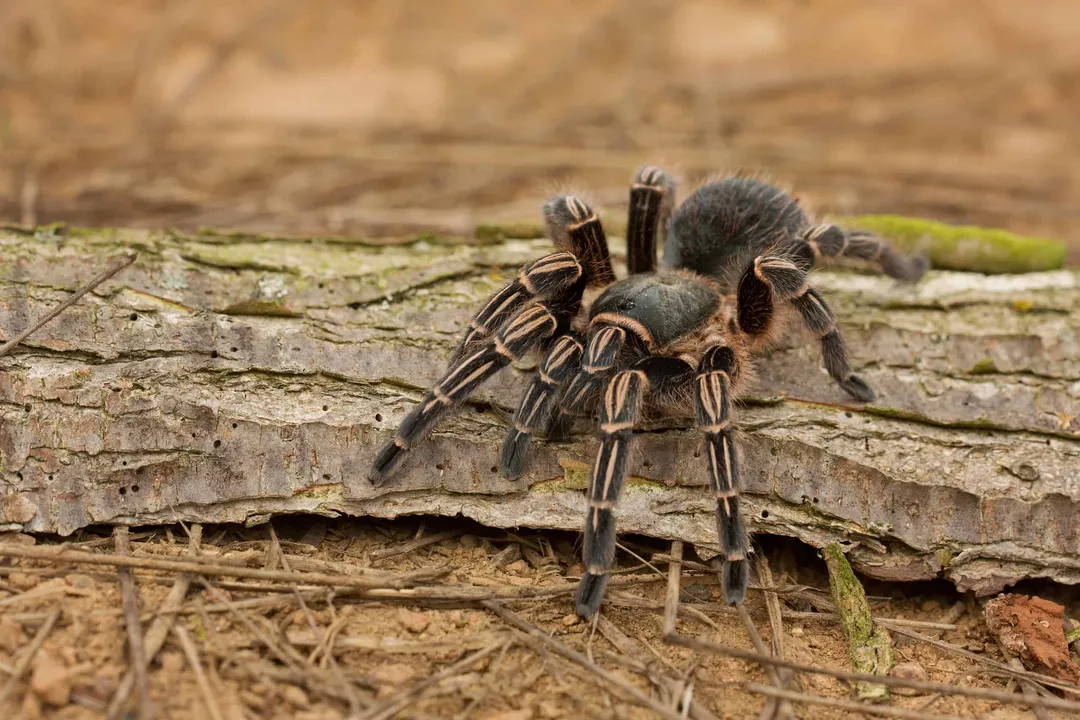
The location of the Zebra Tarantula is inextricably linked to its preferred habitat type. Aphonopelma seemanni is fundamentally a terrestrial species, meaning it spends its life primarily on or under the ground, rather than in the trees. [4] Their preferred environment is consistently described as the dry tropical forests and grasslands of the region. [2][5] This preference dictates where one is most likely to encounter signs of their presence.
These spiders are known to construct and inhabit burrows, which serve as their refuge from predators and the elements. [4][7] The structural support for these homes is often found near natural features within their dry forest ecosystem. They frequently situate their silk-lined retreats under or near rocks, logs, or dense scrub vegetation. [2][7] This reliance on ground cover for structure means that heavily cultivated or cleared areas, even within their general geographic range, might be unsuitable. Imagine traversing a dry, scrubby hillside in the Guanacaste region of Costa Rica; the potential for finding an A. seemanni burrow increases significantly near a prominent piece of weathered limestone or a fallen, semi-buried tree trunk. [5]
Thinking about the environment ecologically, this preference for drier conditions is a key differentiator. While many tropical regions are characterized by constant humidity, the known range of A. seemanni seems to favor areas that experience distinct wet and dry seasons, requiring the spider to be adapted to periods of lower ambient moisture, which their burrowing behavior helps manage. [5]
# Naming Confusion
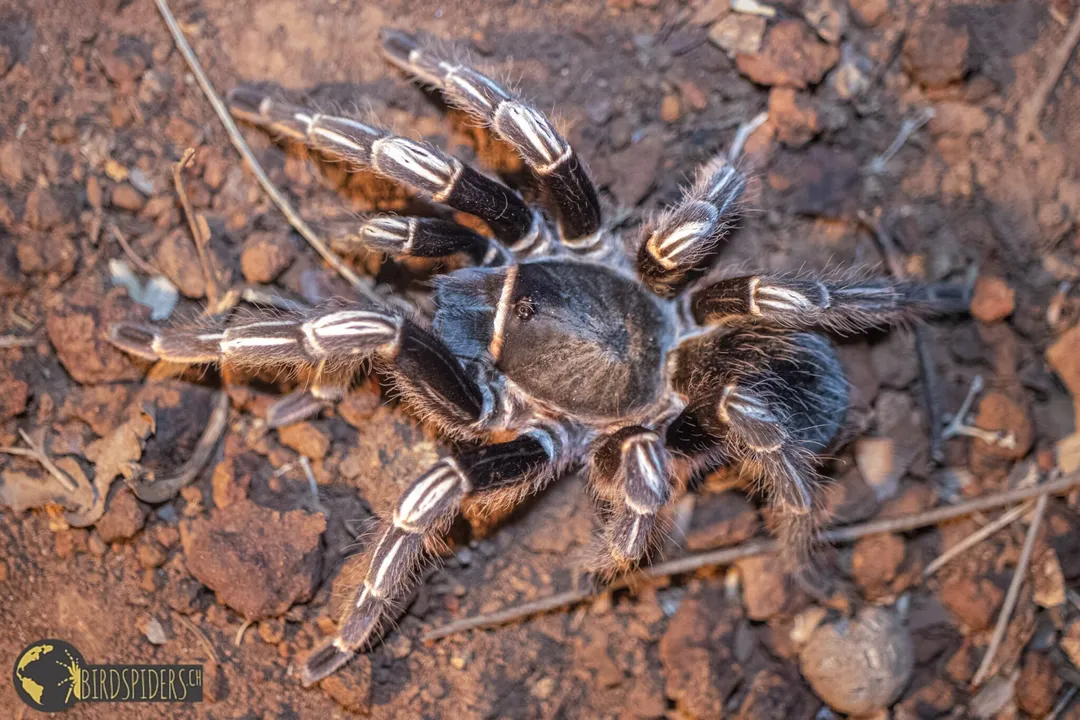
A significant factor when discussing "Zebra Tarantula locations" is the potential mix-up with other species that share a similar common name. The focus here is on Aphonopelma seemanni, the Central American species. [1][3] However, the term "Zebra Tarantula" has also been applied to spiders found on entirely different continents, such as the Thai Zebra Tarantula, which is native to Southeast Asia. [9] This comparison highlights a crucial aspect of invertebrate nomenclature: common names are often geography-agnostic, leading to misleading associations based purely on pattern. [9] The dietary preferences, humidity requirements, and specific geographic locations of the Thai species would differ vastly from those of the Costa Rican Striped Knee. [9] For anyone seeking the striped-legged beauty of Central America, remembering its binomial name, Aphonopelma seemanni, is the best way to filter out distant look-alikes residing in entirely different continents. [1]
# Behavioral Location Context
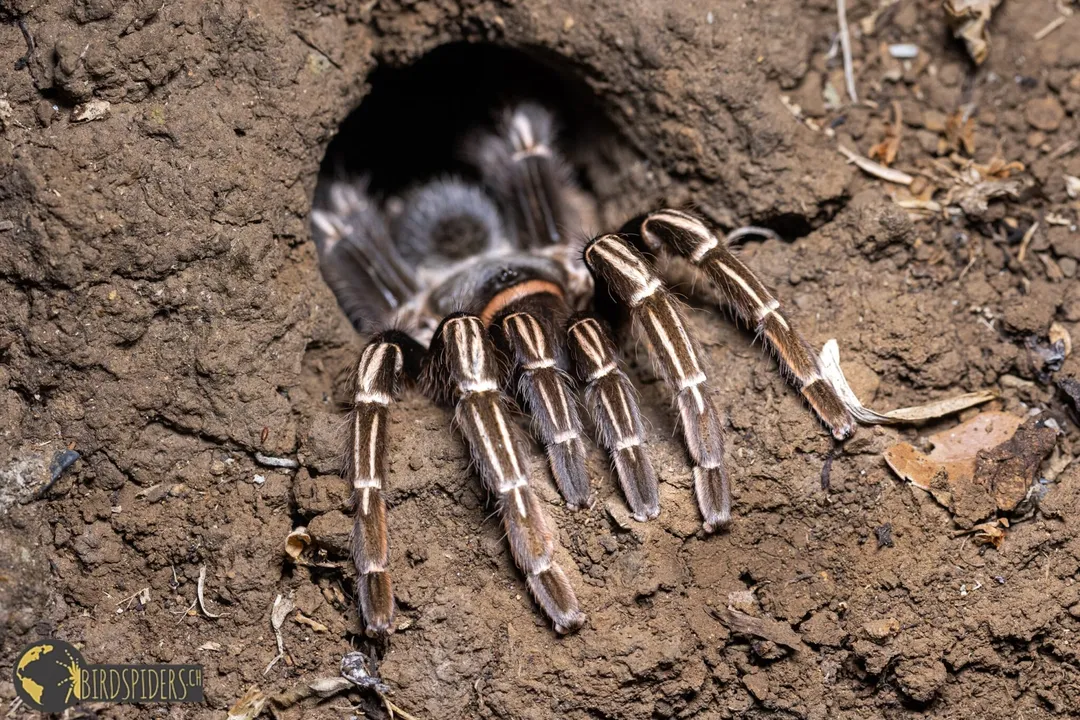
Understanding where they live also means understanding how they use that location. Since A. seemanni is a burrow-dwelling species in a dry forest environment, its surface activity will be heavily influenced by local conditions, especially temperature and precipitation cycles. During the height of the dry season, an observer might spend hours searching near logs and rocks and find nothing, as the spiders remain deep within their humidity-regulated burrows to avoid desiccation and high surface temperatures. [5] Conversely, after significant seasonal rains begin, or during the cooler hours of the evening, surface activity—such as a female venturing out to repair her burrow entrance or a male roaming in search of a mate—becomes more likely. [2] This behavioral pattern means that even within a known habitat area, the effective location of the visible spider changes throughout the year. A good observational strategy in their native Central American scrubland would involve targeting these structural features primarily during twilight or after rainfall, rather than mid-day searches during the dry spell.
# Keeper Environment Parallels
For hobbyists who keep these spiders, understanding the wild locations provides necessary context for creating a suitable captive environment. Since the native habitat involves dry forests and grasslands, requiring a terrestrial setup with deep substrate for burrowing, keepers often replicate these conditions. [2][5] The relative ease of keeping A. seemanni is partly attributed to its adaptability, but that adaptability still relies on respecting its roots in those specific Central American locales. [3] For instance, an enclosure mimicking a Costa Rican dry scrub area would emphasize dry substrate and a horizontal orientation, contrasting sharply with setups needed for high-humidity arboreal species from rainforest canopies elsewhere. This correlation between known location and captive husbandry underscores the importance of accurate geographic information for ethical animal care. [5]
The distribution of Aphonopelma seemanni is a story of adaptation to the drier microclimates within Central America's broader tropical zone. [2] From the scrublands of Nicaragua to the dry forests bordering Panama, the pattern remains consistent: a terrestrial spider seeking structure in the earth to survive the local climate, solidifying its place as the iconic Costa Rican Striped Knee. [1][6]
Related Questions
#Citations
Aphonopelma seemanni - Wikipedia
Aphonopelma seemanni – Costa Rica Zebra Tarantula
The Costa Rican striped-knee tarantula (Aphonopelma seemanni) is ...
Zebra Tarantula Facts & Photos | Wowzerful
The Costa Rican Zebra Tarantula: A Striped Beauty of the Dry Forests |
Zebra Tarantula - Aphonopelma seemanni - A-Z Animals
Costa Rican Zebra Tarantula - Ege's Spider Portal - WordPress.com
Thai zebra tarantula | Local Spider From Thailand - TasteAtlas