Zebra Tarantula Scientific Classification
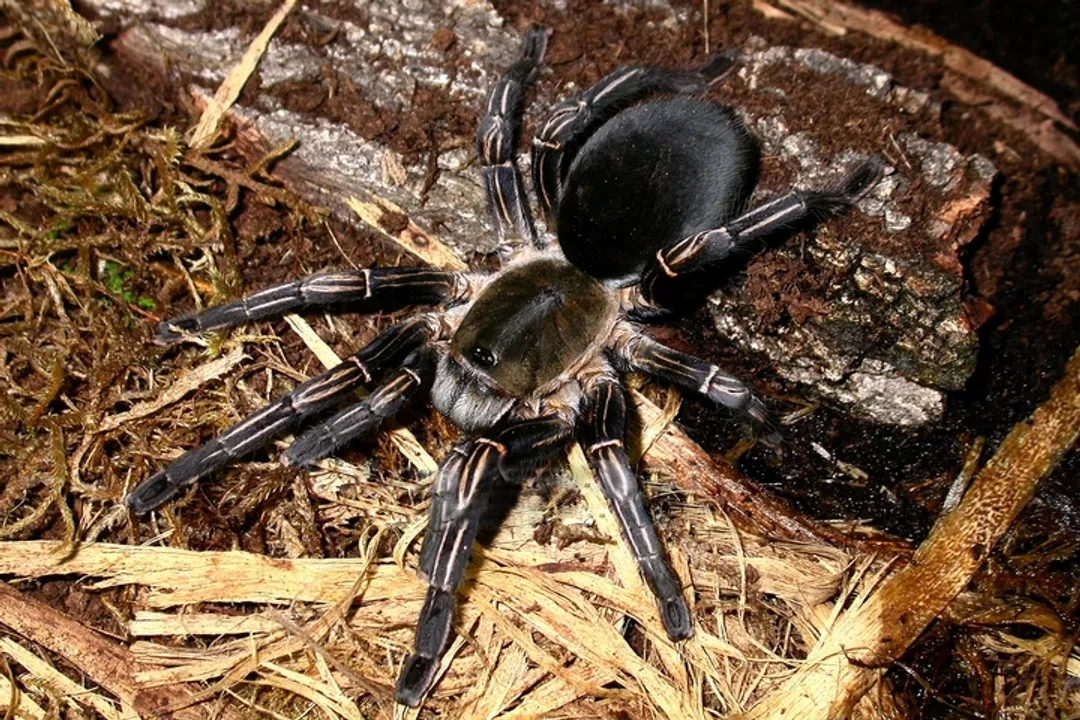
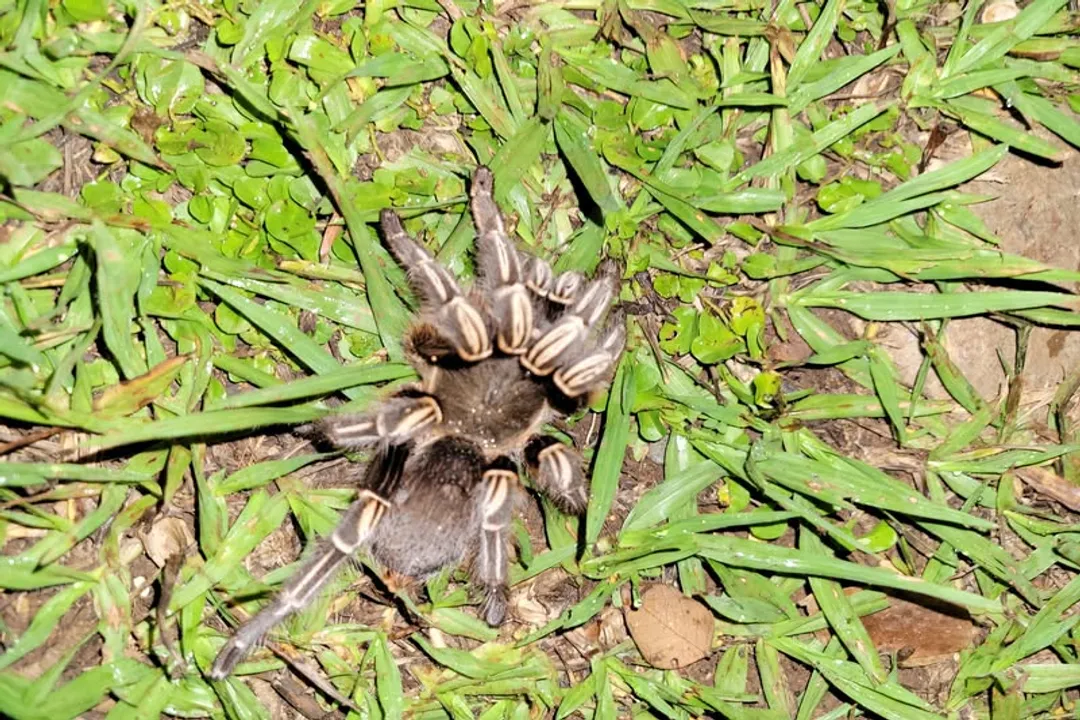
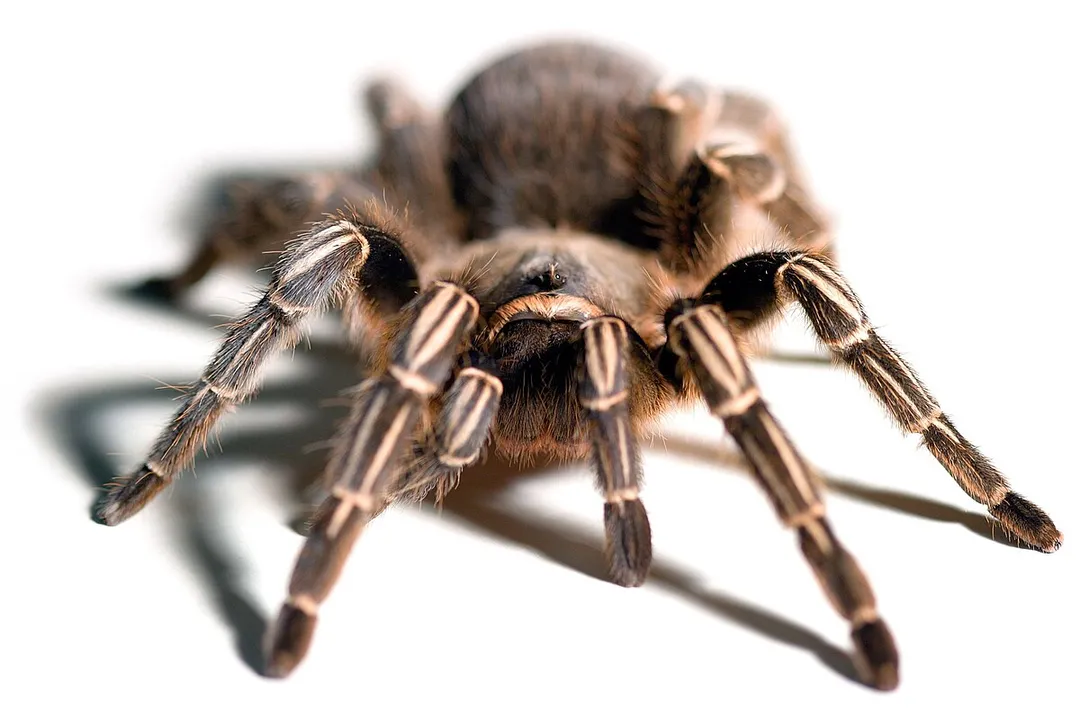
The common name Costa Rican Zebra Tarantula, or simply Zebra Tarantula, immediately evokes an image of bold, contrasting stripes, but understanding the creature requires looking deeper than its striking appearance and into its scientific designation: Aphonopelma seemanni. [1][8] This classification is not just a label; it is a key that unlocks centuries of accumulated biological knowledge, placing this terrestrial spider within the grand architecture of life itself. [1] To truly appreciate this popular pet, one must trace its lineage from the broadest biological groupings down to the specific epithet that grants it its unique identity. [7]
# Kingdom Animalia
At the highest level, the Zebra Tarantula belongs to the Kingdom Animalia. [1] This placement signifies that it is a multicellular, eukaryotic organism that obtains its nutrition by consuming other organisms, a fundamental trait shared with everything from sponges to elephants. [1] In the context of arachnids, this kingdom membership is universal, establishing the baseline for its complex biological systems, movement, and sensory apparatus. [3]
# Phylum Arthropoda
Moving down the hierarchy, the next classification is the Phylum Arthropoda. [1] This is a massive group characterized by a segmented body, a hard exoskeleton, and jointed appendages—features instantly recognizable in the tarantula’s legs and cephalothorax. [1] Within Arthropoda, one finds insects, crustaceans, and arachnids, all sharing this defining external skeleton that requires periodic molting for growth. [7] The exoskeleton, composed primarily of chitin, serves as both protection and muscle attachment for the spider. [3]
# Class Arachnida
The Class Arachnida further refines this placement, separating spiders from insects and other arthropods. [1] Spiders, scorpions, mites, and ticks belong here. The defining characteristics separating arachnids from insects are the division of the body into two main segments—the cephalothorax (prosoma) and the abdomen (opisthosoma)—and the possession of eight legs, lacking antennae or wings. [1][7] The Zebra Tarantula adheres perfectly to this blueprint, possessing spinnerets for silk production and chelicerae tipped with fangs for venom delivery. [3]
# Order Araneae
The Order Araneae specifically denotes that A. seemanni is, indeed, a true spider. [1] Members of this order are characterized by their ability to produce silk, though not all spiders use it for catching prey in the same manner. [1] While many may associate spiders with intricate aerial webs, the vast majority of large, ground-dwelling spiders like the Zebra Tarantula rely on silk primarily for lining burrows, creating egg sacs, and as draglines. [3]

# Family Theraphosidae
The jump to the Family Theraphosidae is significant, as this group comprises all the creatures commonly known as tarantulas. [1][7] This family represents the larger, often hairy, New World and Old World spiders known for their often sedentary, terrestrial habits. [7] Placing A. seemanni within Theraphosidae immediately informs keepers and biologists about general size potential, lifespan, and fundamental behaviors, such as the presence of urticating hairs common to many New World species in this family. [3]
It is fascinating to observe how classification dictates expectation. For instance, another striped tarantula sometimes encountered, the Thai Zebra Tarantula (Cyriopagopus albostriatus), belongs to a different family entirely, Ornithoctoninae, which places it within the Old World radiation of spiders. [2] Though both might share a common name element based on appearance, their distinct family placements suggest fundamental differences in temperament, defensive mechanisms (like urticating hairs versus outright aggression), and ultimately, the required captive environment. [2] The placement in Theraphosidae predisposes A. seemanni toward a terrestrial existence, a key distinction from many arboreal families. [3]
# Genus Aphonopelma
The genus Aphonopelma is where the classification begins to narrow down to specific ecological and morphological traits within the tarantula world. [1] This genus is predominantly composed of species found in the New World, particularly North and Central America. [1][7] Tarantulas within Aphonopelma are generally known for being terrestrial burrowers, possessing slower metabolisms, and exhibiting relatively docile temperaments compared to some Old World counterparts. [6][7]
The fact that A. seemanni resides here suggests a robust, ground-dwelling lifestyle. It is commonly noted that this genus members often thrive in arid or semi-arid environments, which informs the careful substrate and humidity choices required in their enclosures. [6] The designation as Aphonopelma often carries a connotation of longevity, as many species within this group are known to live for decades, especially the females. [7] This characteristic, while a positive for long-term enthusiasts, highlights the commitment involved in keeping such a specimen. [6]
# Species Aphonopelma seemanni
The final, specific designation is the species name, seemanni. [1] This binomial nomenclature, formalized by O. Pickard-Cambridge in 1897, is what separates the Costa Rican Zebra Tarantula from every other member of the Aphonopelma genus. [1] The specific epithet seemanni honors the collector, Seemann, who originally collected the specimen. [1]
The pairing of the genus and species creates a unique identifier, Aphonopelma seemanni, which is understood globally by researchers and keepers alike, bypassing the ambiguities of common names. [4][7] While many sources might refer to it as the Costa Rican Zebra Tarantula, its taxonomic name confirms its specific range, typically associated with the Pacific coast regions of Costa Rica and neighboring Central American nations. [1][4] When we consider that different Aphonopelma species can have vastly different geographic ranges—from the Southwestern United States to Mexico—this species name is the precise locator for its evolutionary history and adaptation. [7] If we were to plot the known distribution based on recent iNaturalist data aggregated for this taxon, we would likely see a strong clustering around specific, drier inland regions of Costa Rica, rather than the humid coastlines sometimes assumed by its common name. [4] This precise naming helps scientists track population genetics and conservation status more accurately than common vernacular allows. [3]
# Taxonomic Revision and Identity
The world of taxonomy is not static, and even established names face scrutiny and revision, which can sometimes cause confusion among hobbyists. [1] For example, some sources note that Aphonopelma seemanni was once placed under the genus Eurathra before being fully integrated into Aphonopelma. [1] Such shifts often occur as molecular data refines our understanding of genetic relationships between species that look superficially similar or geographically proximate. [3]
When dealing with the nomenclature, attention must be paid to specific traits. The Zebra Tarantula is characterized by its dark body and contrasting pale or white stripes on its legs. [8] Different color forms, such as blue-legged or reddish variations, sometimes circulate in the pet trade, leading to discussions about whether these are pure A. seemanni or closely related, recently separated, or even misidentified species within the broader Aphonopelma complex. [9] The scientific classification forces keepers to rely on the established, confirmed identification of A. seemanni if they wish to adhere to published care requirements proven effective over time for this specific lineage. [6] A deviation in color pattern might warrant a deeper dive into its classification history, checking if it has been reclassified under a near synonym or if it represents localized, non-type locality variation. [1] For instance, some reports mention confusion with Aphonopelma palomitas, showing how closely related genera or species can be challenging to separate without expert morphological analysis. [5]
The strict adherence to the binomial name provides a stable reference point in the often-fluid world of invertebrate classification. It assures that the terrestrial, relatively mild-mannered spider kept in a semi-arid setup, which requires specific substrate depth for burrowing, is indeed the one associated with the established biological profile of Aphonopelma seemanni, and not a different, perhaps more delicate or aggressive, cousin from another genus or species. [3][7] This systematic arrangement is the foundation upon which responsible husbandry and ecological study are built. [1]
Related Questions
#Citations
Aphonopelma seemanni - Wikipedia
Aphonopelma seemanni Care - The Tarantula Collective
Costa Rican Striped-knee Tarantula (Aphonopelma seemanni)
Aphonopelma seemanni, Costa Rica tarantula species - Facebook
Aphonopelma Seemanni | Costa Rican Zebra | Tarantula Care Guide
Aphonopelma seemanni (Costa Rican Zebra Tarantula) - Spider ID
Costa Rican Zebra Tarantula (Aphonopelma seemanni)
Costa Rican Zebra Tarantula - Our Reptile Forum