What technique is used to help distinguish a hungry adult *A. semanni* from one that is pre-molt?
Answer
Observing the appearance of the abdomen
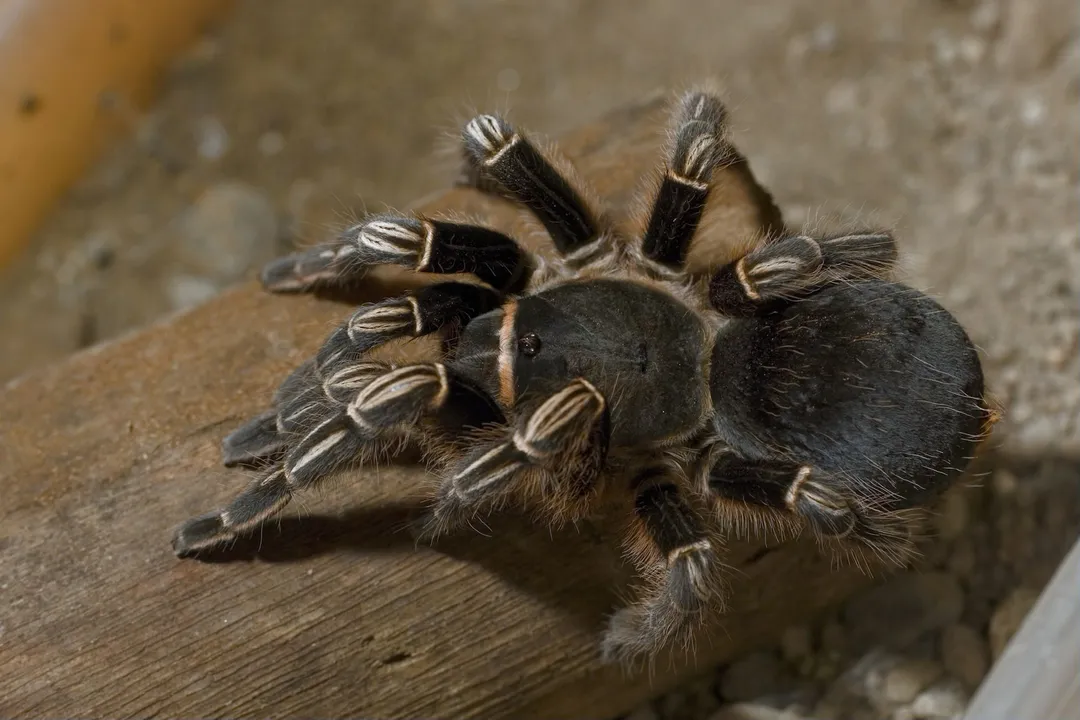
Experienced keepers utilize visual cues rather than strictly adhering to a feeding schedule to determine if an *Aphonopelma seemanni* requires a meal. The most helpful indicator involves observing the condition of the abdomen. If the abdomen appears plump and exhibits a rounded contour, the spider is deemed to have sufficient stored reserves and can safely skip a feeding session. Conversely, if the abdomen presents a somewhat deflated or noticeably wrinkled appearance, this strongly suggests that the tarantula's reserves are depleted and it is likely time to offer food, provided it is not exhibiting signs of pre-molt behavior like withdrawal.
Related Questions
Which feeder insect is often considered superior to crickets in the *A. semanni* diet rotation?What principle dictates feeding prey insects for 24 to 48 hours before offering them to the *A. semanni*?What is the general rule regarding prey size relative to the *A. semanni*'s carapace?What is the recommended feeding interval for large, mature adult *A. semanni* spiders?What type of prey is suggested initially for *A. semanni* referred to as slings?What is the most probable cause if a healthy adult *A. semanni* suddenly stops accepting food?How long must fresh, clean water be available at all times for the Zebra Tarantula?How long should uneaten prey be left in the enclosure before removal for *A. semanni* spiderlings?Why is dusting adult *A. semanni* prey with vitamin powders often discouraged?What technique is used to help distinguish a hungry adult *A. semanni* from one that is pre-molt?