What is the most probable cause if a healthy adult *A. semanni* suddenly stops accepting food?
Answer
Impending ecdysis (molting)
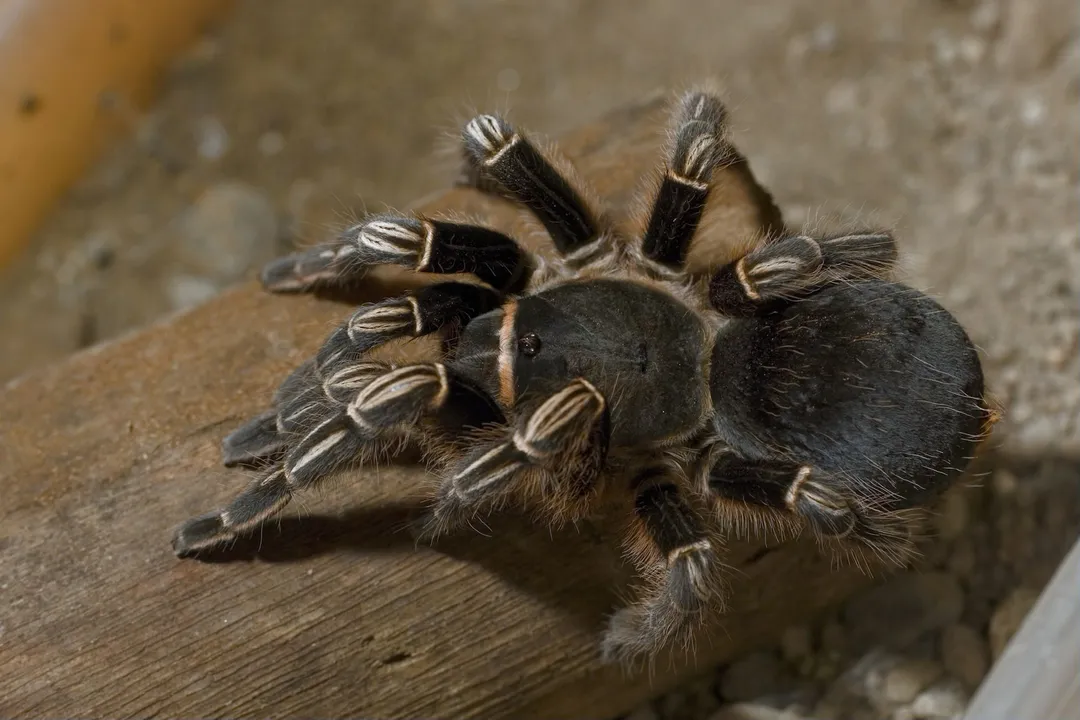
Fasting, or refusing sustenance, is a common behavior observed in terrestrial tarantulas like the *A. semanni*, and when an adult abruptly ceases eating, the most likely underlying reason is an approaching molt, or ecdysis. Tarantulas deliberately abstain from food for an extended period, sometimes weeks, preceding this vulnerable process. This behavior is driven by the need to conserve energy resources and, crucially, to avoid the metabolic stress and physical complications associated with having a distended stomach during the molting procedure. If the spider is otherwise exhibiting stable environmental conditions, pre-molt fasting is the primary assumption.
Related Questions
Which feeder insect is often considered superior to crickets in the *A. semanni* diet rotation?What principle dictates feeding prey insects for 24 to 48 hours before offering them to the *A. semanni*?What is the general rule regarding prey size relative to the *A. semanni*'s carapace?What is the recommended feeding interval for large, mature adult *A. semanni* spiders?What type of prey is suggested initially for *A. semanni* referred to as slings?What is the most probable cause if a healthy adult *A. semanni* suddenly stops accepting food?How long must fresh, clean water be available at all times for the Zebra Tarantula?How long should uneaten prey be left in the enclosure before removal for *A. semanni* spiderlings?Why is dusting adult *A. semanni* prey with vitamin powders often discouraged?What technique is used to help distinguish a hungry adult *A. semanni* from one that is pre-molt?