What term describes the tissue from which woolly aphids extract their nutrient-rich fluid?
Answer
Phloem
Woolly aphids are specialized feeders that target the phloem tissue within the plant. The phloem is the specific vascular tissue within plants that is physiologically dedicated to transporting the sugars—the products of photosynthesis—from the leaves and storage areas to all other parts of the plant that require energy. By using their piercing-sucking mouthparts to penetrate the plant tissue and access this channel, the aphids efficiently drain this sugary, nutrient-rich fluid, which constitutes their entire diet.
Related Questions
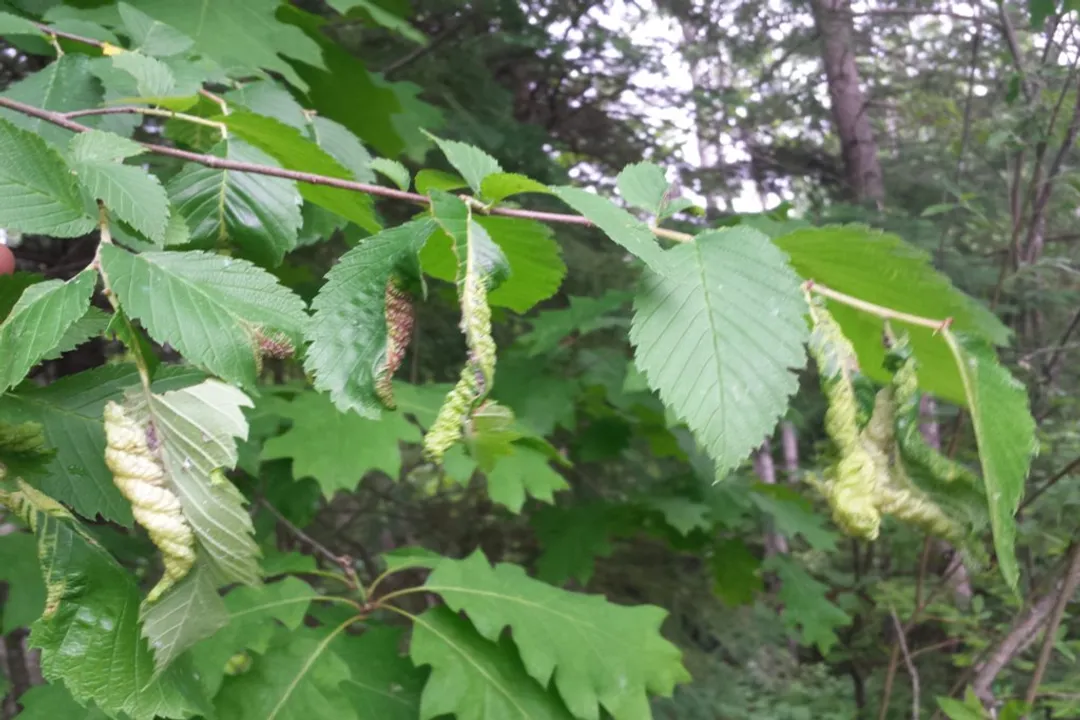
What is the sole sustenance extracted by all woolly aphids using their specialized mouthparts?What are the primary hosts for the woolly apple aphid, *Eriosoma lanigerum*?What specific reaction is triggered when the woolly elm aphid feeds on developing elm leaves in the spring?Where does the woolly apple aphid (*Eriosoma lanigerum*) conduct more insidious feeding that is often hidden from casual inspection?What is the key distinction in feeding strategy between *Eriosoma lanigerum* and *Eriosoma americanum* concerning location?When do winged forms (alates) of the woolly elm aphid depart the leaf galls to seek root infestation sites?What specialized host plant, commonly known as the Bradford pear, is listed as a secondary host for *Eriosoma lanigerum*?What term describes the tissue from which woolly aphids extract their nutrient-rich fluid?What type of damage results from *Eriosoma lanigerum* feeding on the bark of young apple shoots?Why does the continuous, protected feeding on elm roots likely represent a greater physiological impact than the temporary elm leaf galls?