Yellow Aphids Diet
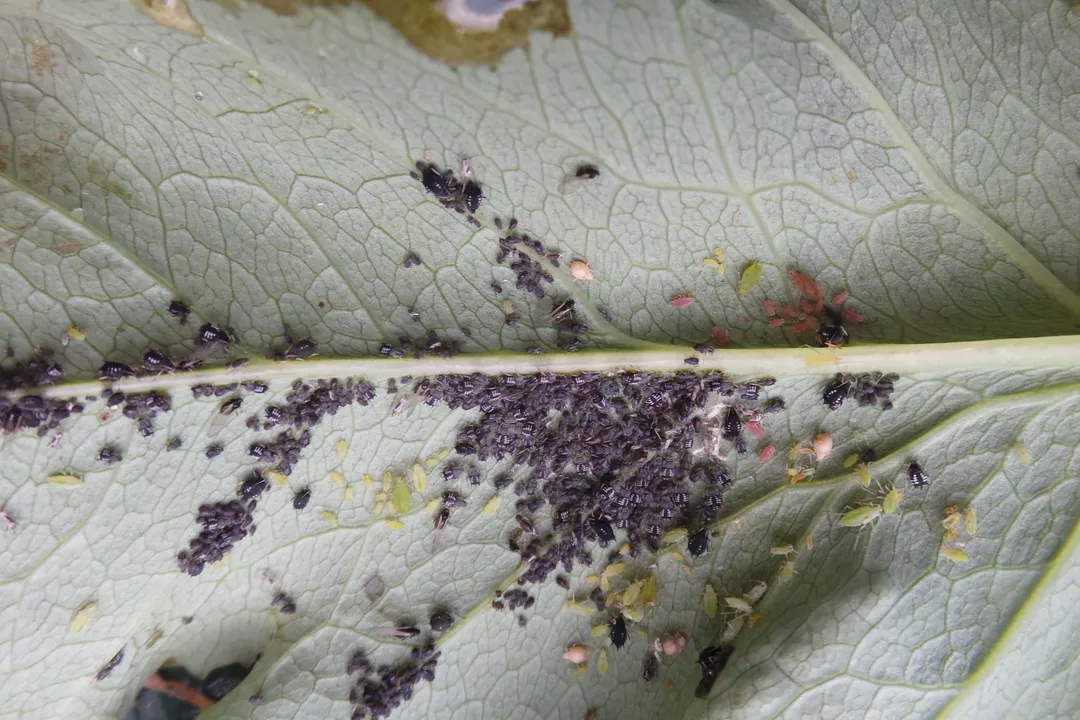
Aphids, those tiny, soft-bodied insects that seem to appear overnight on garden favorites, are perennial garden concerns for growers across the country. [1][6] While the term "yellow aphids" might refer to several different species depending on location and host plant, their dietary habits are remarkably consistent: they are obligate plant-suckers that rely entirely on the internal fluids of the vegetation they infest. [2][8] Understanding what they consume is the first step toward managing their populations before they can cause significant cosmetic or systemic damage to your prized plants. [3]
# Sap Feeding
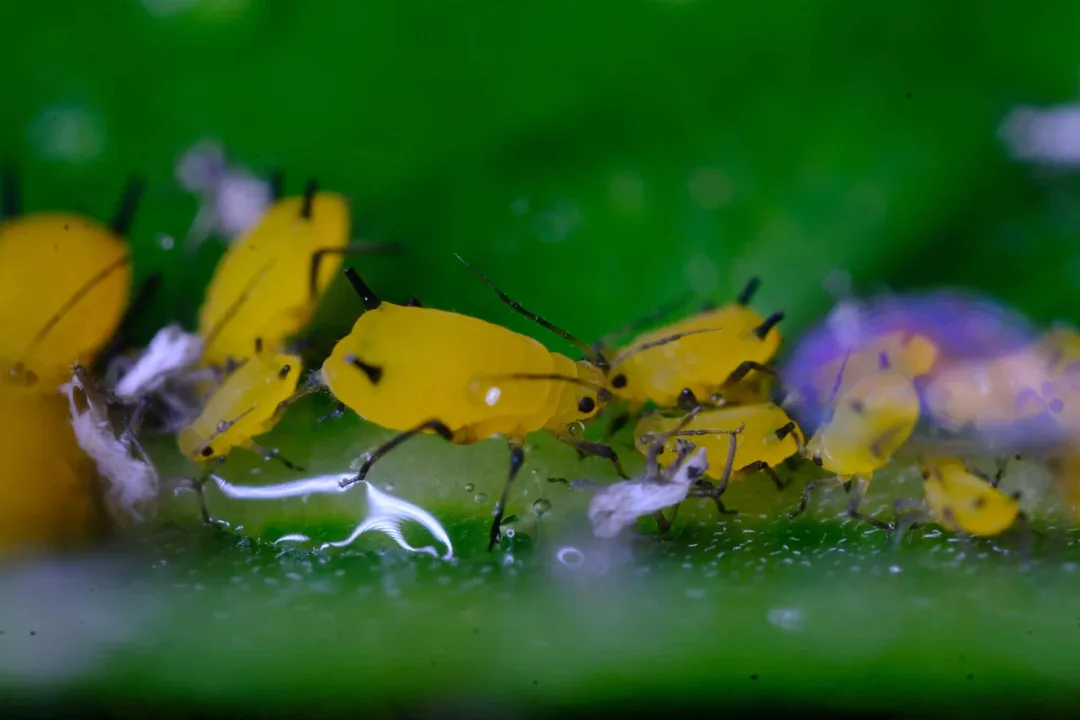
The primary sustenance for any aphid, including the yellow varieties, is phloem sap. [2] This sap flows within the plant's vascular system and is rich in sugars—the direct result of photosynthesis—which provides the necessary energy for the aphid's incredibly rapid reproductive cycle. [3] Yellow aphids do not chew leaves or consume tissue in the way caterpillars do; instead, they use specialized mouthparts called stylets. [2] These stylets are incredibly fine, needle-like structures used to pierce the surface tissues of the plant—be it a leaf, stem, or developing bud—to reach the phloem. [2]
Once the stylets are inserted, the aphid feeds relatively continuously throughout the day. [2] Because they are ingesting large amounts of sugary sap but require more protein and amino acids than the sap supplies, they must process and excrete a significant portion of the excess sugar and water. [3] This is where the characteristic byproduct of aphid feeding comes into play. A small, yellow aphid feeding quietly on a growing tip is essentially running a sugar-processing factory geared toward rapid multiplication, which is why an infestation can seem exponential in a matter of days when conditions are warm. [3]
If you observe an aphid cluster, you are watching a highly effective feeding machine. For a pest that is small and often overlooked until populations surge, their constant, sustained nutrient draw means that even moderate numbers can stress a susceptible plant, especially younger seedlings or vegetable crops where rapid growth is the goal. [8]
# Host Plants
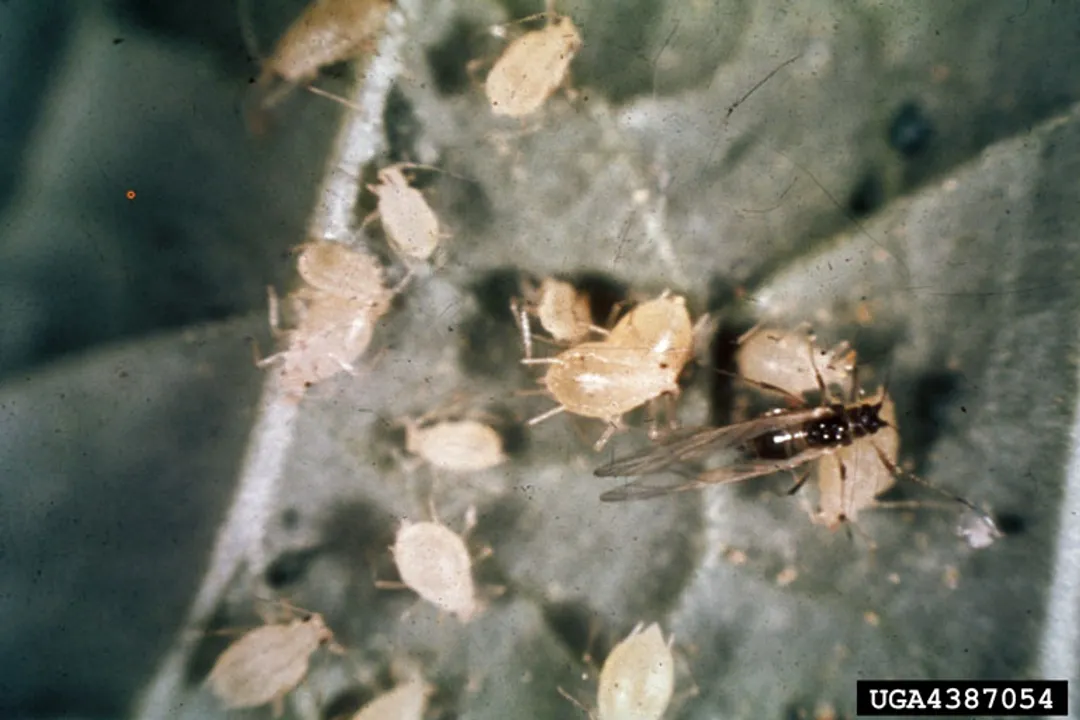
Yellow aphids are not typically picky eaters across the entire plant kingdom, but specific species tend to prefer certain families or even individual crops. [6][8] Generally, aphids are found clustered on new, tender growth because this tissue is easier to penetrate and often has a higher concentration of readily available sap. [1]
For general garden watchers, common victims include many vegetables, such as those in the Brassica family (like cabbage and broccoli), potatoes, and beans. [8] In horticultural settings, they can target ornamental shrubs, roses, and many flowering annuals. [1][6] However, the term "yellow aphid" can also point to highly specialized pests. For example, agriculturalists dealing with pecan orchards might be concerned with the Yellow Aphid Complex, which specifically targets pecan trees. [7] This complex involves several species, illustrating that the "yellow aphid diet" can be tailored to the specific biochemistry of the tree it inhabits. [7]
When assessing your garden, it is helpful to remember that the most damaging infestations often occur where the plant produces the most active growth, such as leaf axils, growing points, and the undersides of leaves, which offer protection from direct sun and wind. [1]
| Plant Group | Common Targets/Examples | Dietary Impact Note |
|---|---|---|
| Vegetables | Potatoes, Beans, Brassicas | High vulnerability during seedling/early growth stages. [8] |
| Trees | Pecan (Yellow Aphid Complex) | Requires specialized knowledge due to species-specific host needs. [7] |
| Ornamentals | Roses, New Shoots | Infestations often target soft, young stems and leaf undersides. [1][6] |
It is worth noting that while the primary diet is sap, the secondary effects of this feeding—namely the excretion of honeydew—can profoundly change the plant's environment, sometimes leading to issues that overshadow the direct sap loss itself. [3]
# Honeydew Soot
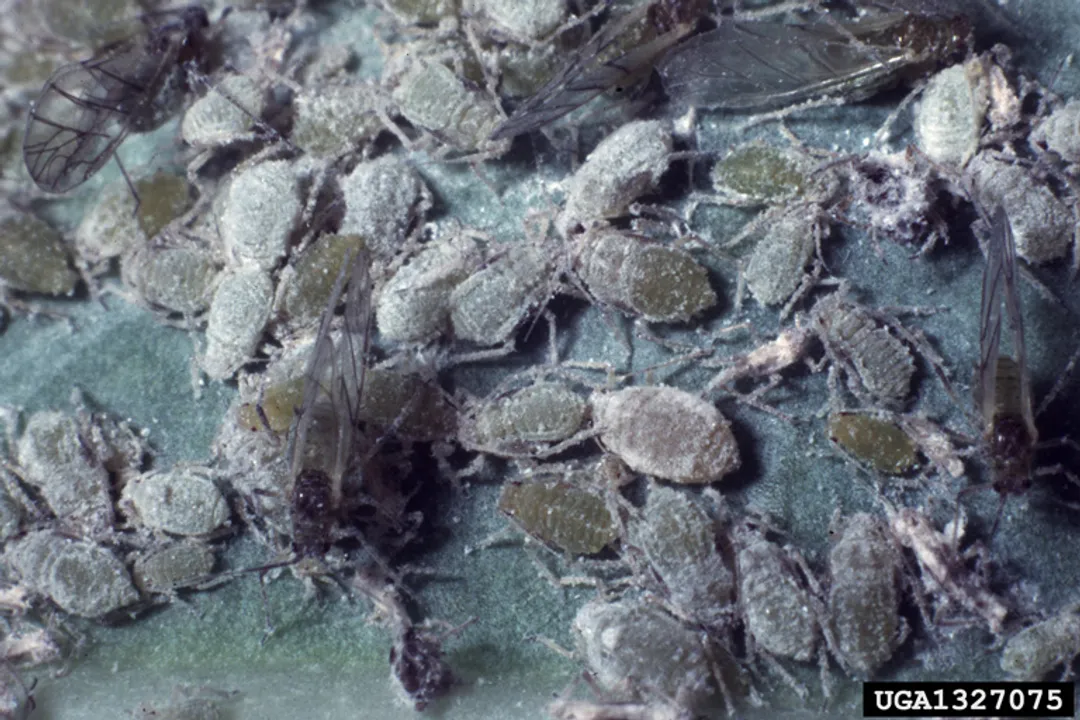
The metabolic byproduct of the yellow aphid's diet is perhaps its most visible legacy: honeydew. [3] Since the sap is high in sugars but low in necessary building blocks like amino acids, the aphids must drink far more fluid than they actually require, excreting the excess as a clear, sticky, sugar-rich liquid. [3] This honeydew coats the leaves, stems, and any plant material below the feeding zone. [3]
While honeydew itself is not immediately toxic to the plant, its presence creates an ideal breeding ground for secondary fungal growth, most commonly sooty mold. [3] Sooty mold appears as a dark, black, powdery coating on the affected surfaces. [3] This black layer interferes with the plant's ability to perform photosynthesis by blocking sunlight from reaching the chlorophyll-containing cells, essentially starving the plant of its primary energy source. [3] This effect, caused by the aphid's waste management related to its high-sugar diet, often causes more long-term damage than the direct nutrient drain from the sap feeding itself. [3]
# Species Types
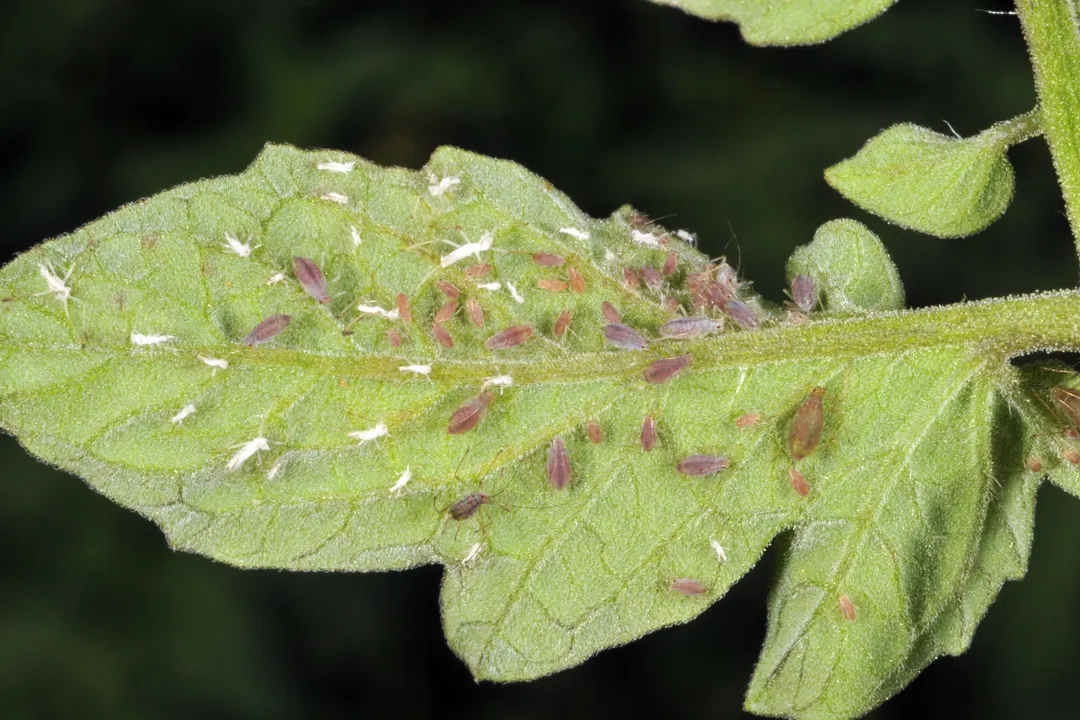
While gardeners often generalize pests based on color—"those little yellow guys"—it is crucial to recognize that the specific diet and required management can vary based on the species present. [7][8] For instance, the yellow aphids affecting a vegetable patch in Utah might be managed similarly to other common vegetable pests, often involving checking for viral symptoms transmitted during feeding. [8] In contrast, the Yellow Aphid Complex in pecan orchards involves specific life cycles tied to that tree's seasonal development. [7] A pest control approach that works for a generalist on a squash plant may not be sufficient for a specialist feeding on a perennial tree.
When controlling aphids, whether yellow, green, or black, the underlying biological driver is the same: an overwhelming need to consume plant sap rapidly to fuel reproduction. [3] This biological consistency allows for universal, low-impact control methods to be tried first. For example, observing where predators like lady beetles congregate often shows you exactly where the highest concentration of soft-bodied, high-sugar prey is located. [4][5]
One observation gleaned from managing these pests is that the yellow coloration itself can sometimes offer a slight advantage in terms of camouflage against certain light-colored leaf undersides or new shoots, making them harder to spot initially compared to bright green or black varieties when populations are low. [2]
# Control Insight
Given that the yellow aphid’s entire existence revolves around consuming phloem sap, effective control measures always aim to disrupt this feeding process or eliminate the feeder before they produce large amounts of honeydew. A high volume of sap ingestion directly correlates with the reproductive rate; the more sap an aphid consumes, the faster it can produce live young, often without needing a mate (parthenogenesis). [3] Therefore, the critical window for intervention is before populations explode, which is typically signaled by the first appearance of honeydew, rather than waiting for the tell-tale black sooty mold. [3]
When physical removal is an option, such as on sturdy outdoor plants, applying a sharp, hard spray of water is often recommended. [4][5] Thinking about the aphid's feeding apparatus—those delicate stylets inserted into the plant—it becomes clear why this works so well: the force required to dislodge the aphid is minimal compared to the force needed to damage the plant tissue itself. This method offers an immediate interruption to their energy supply without introducing chemicals. If the water spray fails or the infestation is deep within dense foliage, moving to insecticidal soaps or horticultural oils is the next step, as these treatments work by suffocating the aphid or breaking down its outer membrane, effectively preventing it from maintaining its feeding position. [4][5] The key takeaway from their diet is that any effective treatment must cause immediate feeding cessation, as a mildly affected aphid can often recover and continue reproduction.
Related Questions
#Citations
Aphids in home yards and gardens | UMN Extension
Yellow Aphids Insect Facts - Aphis nerii - A-Z Animals
Aphids, in-depth - Wisconsin Horticulture
How do you guys manage yellow aphids : r/MonarchButterfly - Reddit
Yellow Aphids feeding on wield plant leaf vein - Facebook
Aphids in Home Gardens - UMD Extension
Yellow Aphid Complex / Pecan / Agriculture - UC IPM
Aphids on Vegetables - Utah State University Extension