What substance do water bugs inject to liquefy the internal tissues of their prey externally?
Potent, saliva-based substance
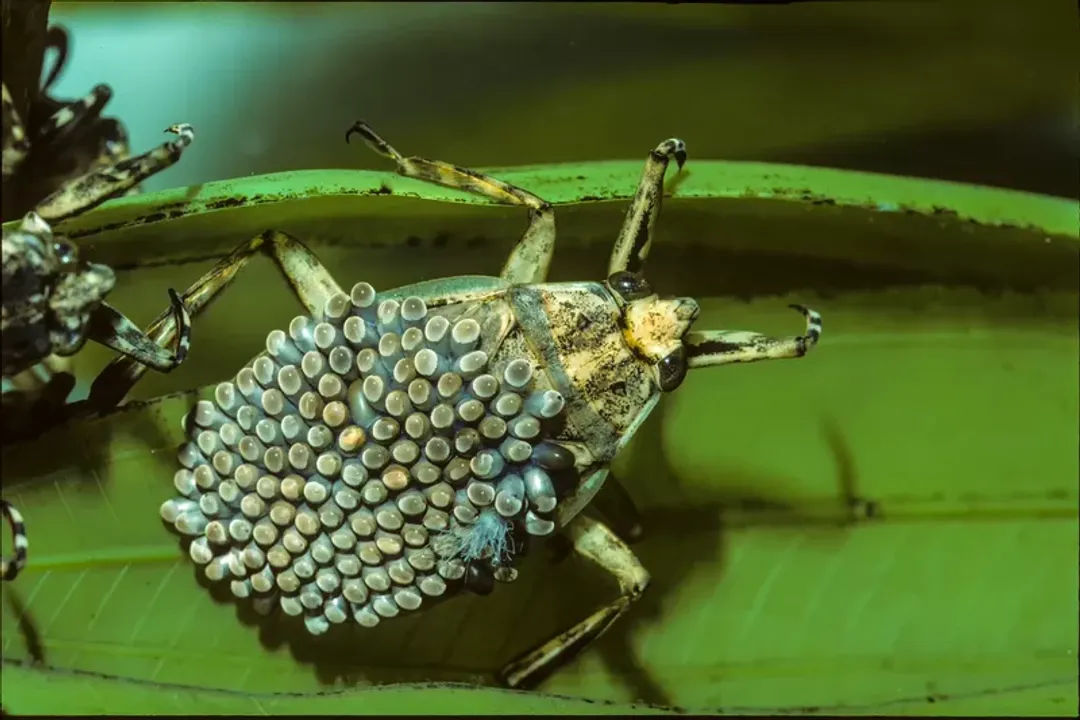
When a water bug, utilizing its stout rostrum, successfully pierces the victim, it initiates its unique external digestion process by injecting a potent, saliva-based substance into the prey. This saliva contains powerful digestive enzymes. These enzymes function to break down the internal tissues of the victim outside of the water bug's body, effectively liquefying the contents into a nutrient-rich soup. After this external enzymatic breakdown is complete, the water bug uses the hollow rostrum to suck up this resulting liquefied material. This process is a definitive characteristic of the Hemiptera order, setting them apart from insects that possess chewing mouthparts, and is key to accessing the nutrition within shelled or skinned prey.