Water Dragon Physical Characteristics
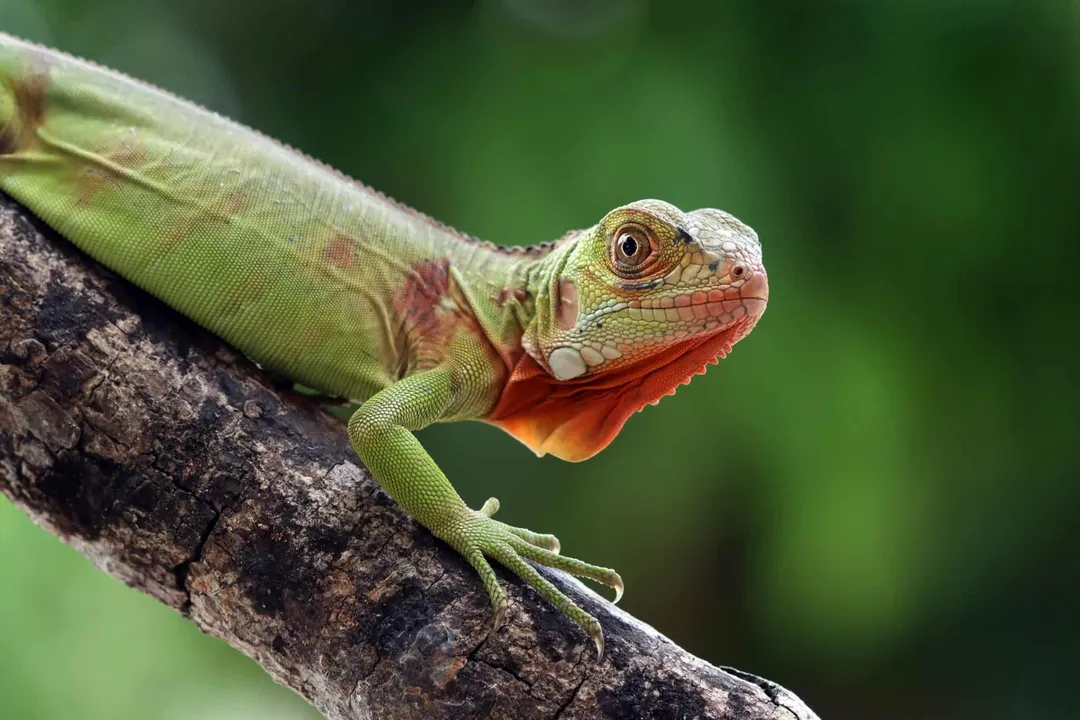
The physical characteristics of water dragons present a fascinating study in reptilian adaptation, though the term itself commonly refers to at least two distinct species occupying different parts of the world: the Australian Water Dragon (Intellagama lesueurii) and the Chinese Water Dragon (Physignathus cocincinus). [1][2][6] While both share a lineage and certain general features—namely a semi-aquatic lifestyle evidenced by their build—a closer look reveals significant differences in size, coloration, and specific markings that help distinguish them. [9] Understanding these details is key to appreciating the diversity within this group of lizards, which thrive in environments close to water sources. [7]
# Species Split
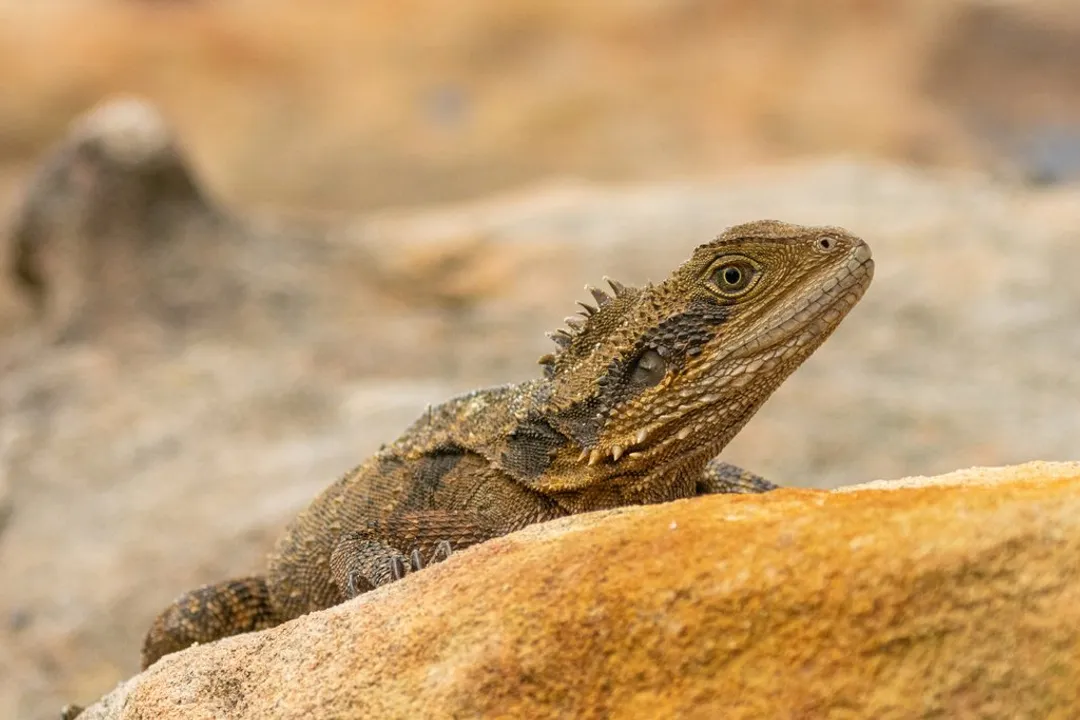
The name "Water Dragon" requires a brief clarification of which creature is being described, as their appearances diverge significantly. [1][2][6] In Australia, the Eastern Water Dragon (Intellagama lesueurii lesueurii) and the relatively smaller Western Water Dragon (Intellagama lesueurii howeana) are recognized, sometimes lumped simply as the Australian Water Dragon. [1][5][7] These are the reptiles commonly seen basking near creeks or coastal areas in Eastern Australia. [7] Contrast this with the Chinese Water Dragon, known scientifically as Physignathus cocincinus, which hails from the humid forests of Southeast Asia. [6][9] Their physical blueprints are similar, but the execution—the colors and precise scale arrangements—sets them apart. [4]
# Size Metrics
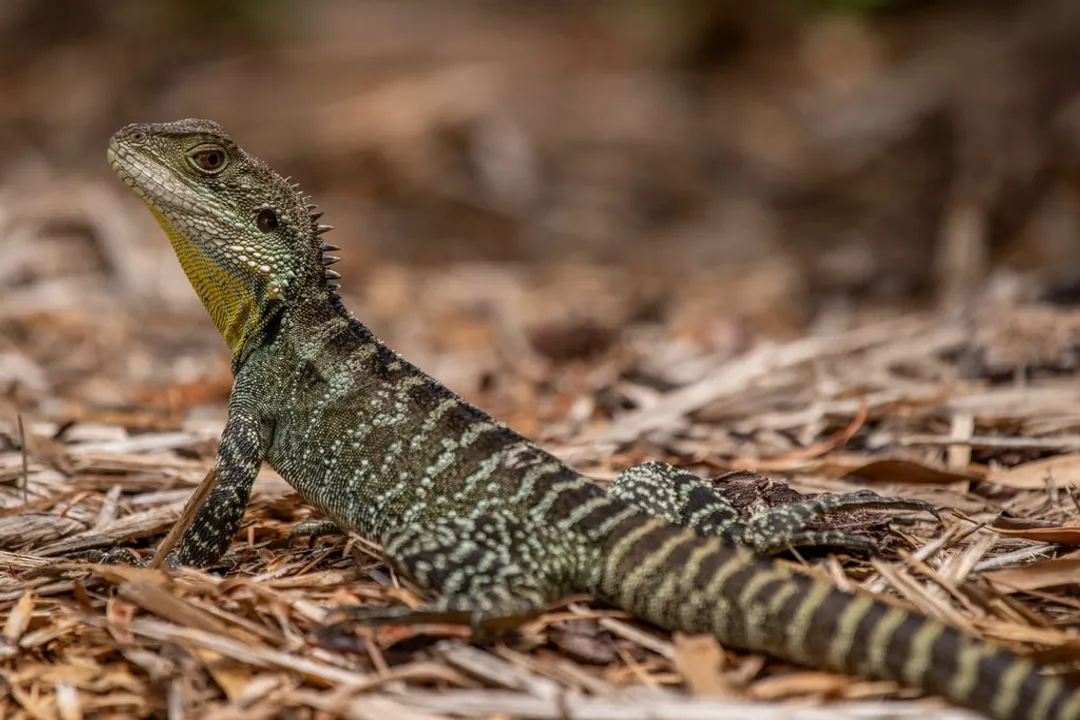
When examining the overall dimensions, both species are impressive lizards, though size variations between the sexes are often noted. [7] Australian Water Dragons, particularly males, can reach a total length of up to 1 meter. Another source suggests a maximum total length around 90 centimeters. [7] For the Chinese Water Dragon, available data indicates they can grow to a total length of approximately 3 feet, which translates closely to that same 90-centimeter range. [6] Generally, females in both groups tend to be slightly smaller than their male counterparts. [7][9] This shared medium-to-large size ensures they are substantial reptiles within their respective ecosystems. [4]
# Coloration Patterns
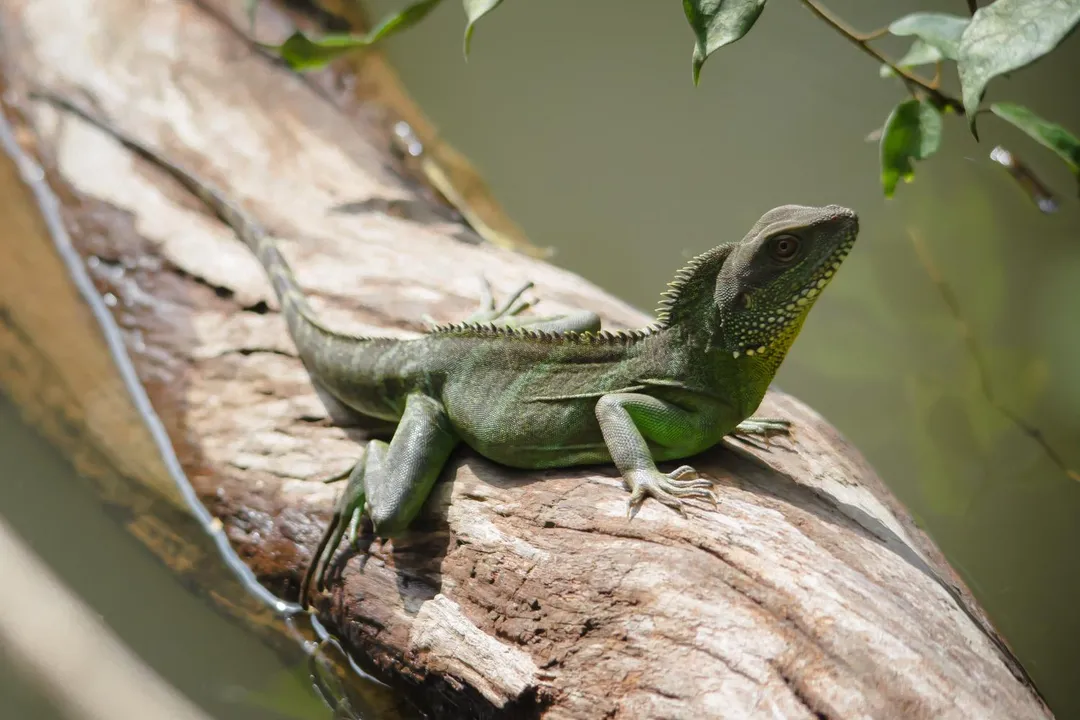
Color is perhaps the most immediately striking difference between the two main types of water dragons. [6] The Chinese Water Dragon is famous for its vibrant appearance. Typically, they exhibit a bright green body color. [6][9] As they mature, this bright green can shift, often taking on a more blueish or grayish hue, though the overall impression remains striking. [6][9] In contrast, the Australian Water Dragon exhibits a more muted palette in non-breeding states. Their base coloration is often described as dark grey or olive brown, sometimes presenting a mottled pattern of light and dark shades. However, the males of the Australian species undergo a dramatic seasonal transformation; during the breeding season, their chest and belly erupt in bright red or orange coloration, a clear signal of reproductive readiness. [7]
# Crest Structure
A key feature shared by both species, and one that contributes to their "dragon" moniker, is the presence of a crest. [4][6] This is not merely a decorative frill but a series of spines or scales that run along the midline of the body, starting from the back of the head, continuing down the neck, and along the back. [4] For the Australian variety, this crest is described as large and quite noticeable. The Chinese Water Dragon also possesses these prominent spikes along its dorsal ridge. [6] A practical way to observe this shared morphology is to look at how the crest terminates; while both possess it, the prominence and shape can subtly differ depending on the species and the individual's sex and age. [9] The crest itself is an integral part of their visual display, likely playing a role in thermoregulation or species recognition.

# Head Markings
Specific markings on the head provide excellent identifiers, especially when color is ambiguous or if one is observing a duller-colored Australian specimen. [4] The Chinese Water Dragon is characteristically marked with distinct white or pale stripes that originate near the eye and run down the side of the head. [4][6] These lines are a reliable visual cue for this species. [6] The Australian Water Dragon, on the other hand, typically displays two pale or light cream stripes running down each side of its head and neck region. While both possess head stripes, the number and exact placement of these lines—two distinct ones on the Australian versus the general description for the Chinese—can aid in identification when encountered in the wild or in captivity. [4] Furthermore, the Chinese Water Dragon features a large, visible tympanum, or eardrum, situated just behind the eye, a detail that separates it visually in profile. [9]
# Tail Attributes
The tail structure is crucial for a semi-aquatic reptile, and in water dragons, it is exceptionally long. [6] The Australian Water Dragon's tail is often cited as being up to twice the length of its body. In contrast, the Chinese Water Dragon’s tail is generally described as being up to two-thirds of its total length. [6] This difference in proportional length might suggest adaptations in locomotion; a proportionally longer tail, as seen in the Australian species, could offer superior propulsion or balance in the water, making it an effective rudder or whip for swimming and defense, as they are known to use their tails in striking motions. When they flee threats on land, this lengthy appendage helps provide counterbalance.

# Scale Texture
The texture of the skin also differs slightly, adding another layer to their physical profile. The Australian Water Dragon is noted to possess fine scales across its body. [7] While specific scale texture details are less emphasized for the Chinese species in the provided texts, the overall visual presentation of the Australian species relies on these finer scales to achieve its mottled or uniform appearance. [7] Observing the smoothness or roughness of the skin can give a quick hint, though coloration and crest detail are usually more obvious differentiators. [4][6]
A point worth considering when observing these lizards, regardless of exact species, is the functional implication of their overall morphology. The combination of a large body, powerful limbs, and an extended tail suggests a life lived equally between terrestrial basking and aquatic evasion. [7] It’s interesting to note that while both are adapted to water, the explicit mention of the Australian dragon using its tail for whipping defense suggests a higher reliance on physical defense mechanisms when cornered near the water’s edge, perhaps due to encountering different predator pressures than their Asian counterparts. Furthermore, the very fine scaling mentioned on the Australian species might contribute to reduced drag in the water compared to a lizard with rougher, more terrestrial-adapted integument, even if the Chinese dragon's scales are not explicitly described in the same fine detail. [7] These physical traits are finely tuned for survival in riparian habitats, showcasing convergent evolution for an aquatic lifestyle despite geographical separation. [1][6]
# Locomotion Basics
Both types of water dragons are adept climbers and swimmers, which directly influences their body structure. [6][7] Their strong legs allow them to quickly scramble up trees or rocks to find basking spots or escape danger. [7] When submerged, both rely heavily on their tails for propulsion, swimming underwater to hide from predators. [6] The ability to dive and remain submerged is a critical survival strategy for these reptiles dwelling near permanent water bodies. [7][9] Their physical setup is a clear testament to their successful niche as diurnal, semi-aquatic hunters and baskers. [7][9]
Related Questions
#Citations
Australian Water Dragon - The Australian Museum
Water Dragon Animal Facts - Physignathus
Eastern Water Dragon
[PDF] Chinese Water Dragon - Specialized Care for Avian & Exotic Pets
Australian water dragon - Wikipedia
Physignathus cocincinus, Chinese water dragon - Thai National Parks
Eastern Water Dragon - Backyard Buddies
[PDF] Chinese Water Dragon
Eastern water dragon fact sheet