What are the physical characteristics of a bird?
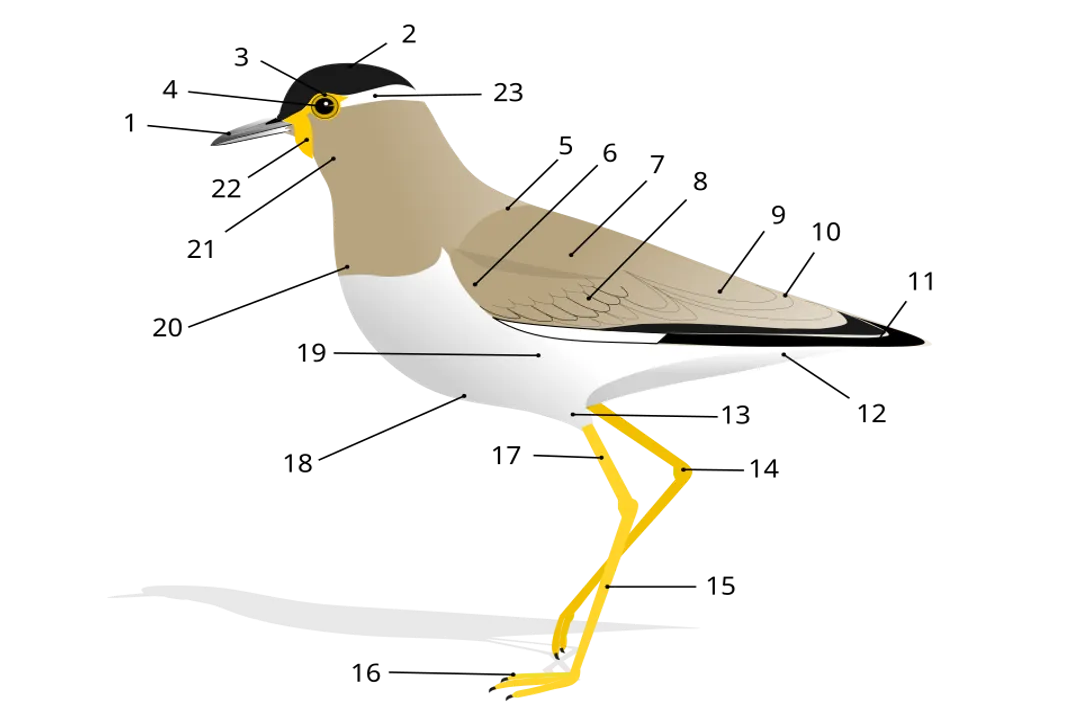
Birds, members of the class Aves, represent a remarkably successful and ancient lineage of warm-blooded vertebrates that took to the skies millions of years ago. [3][7] While we often associate them immediately with flight, their physical structure is a collection of highly specialized traits that allow them to thrive in nearly every terrestrial and aquatic environment on Earth. [8] Understanding what makes a bird a bird requires looking closely at these defining features, from the lightweight architecture of their bones to the complex insulation provided by their plumage. [4][1] Unlike their reptile ancestors, birds have evolved several key characteristics, including feathers, a unique respiratory system, and a high metabolic rate, that differentiate them fundamentally from other animal groups. [6][7]
# Defining Trait
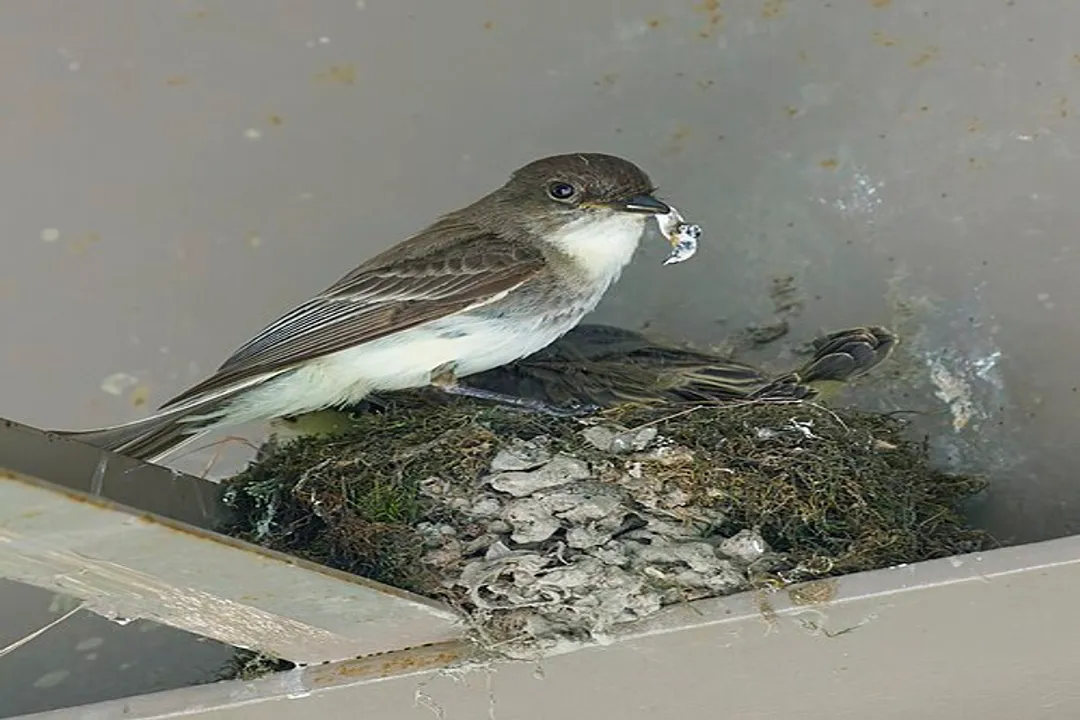
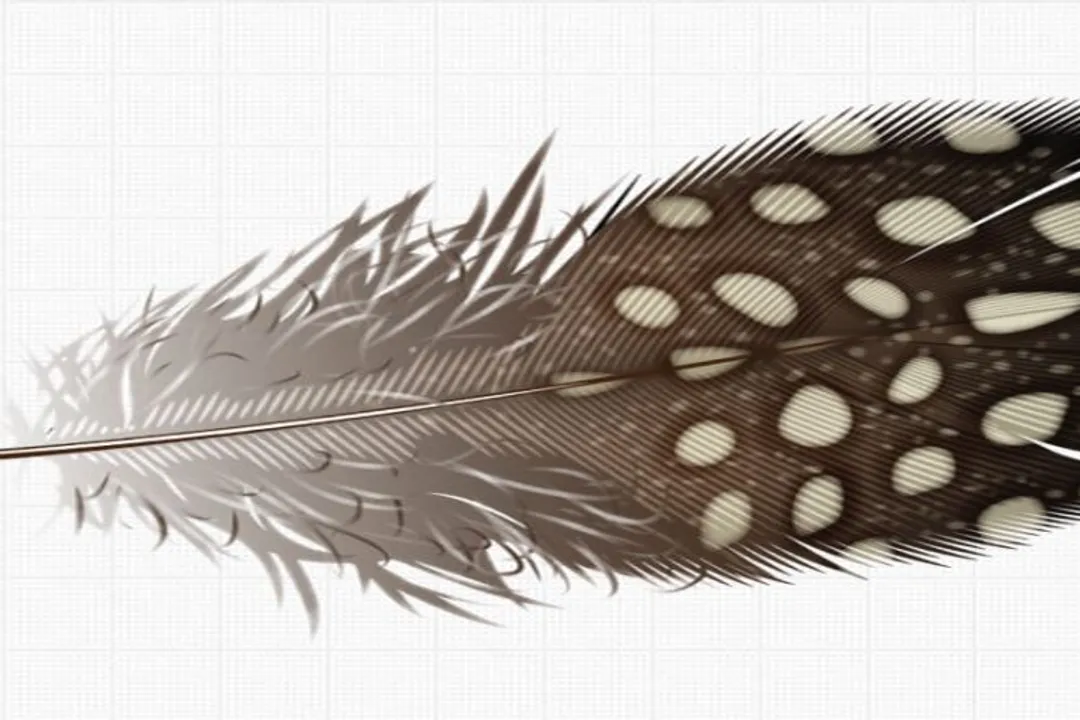
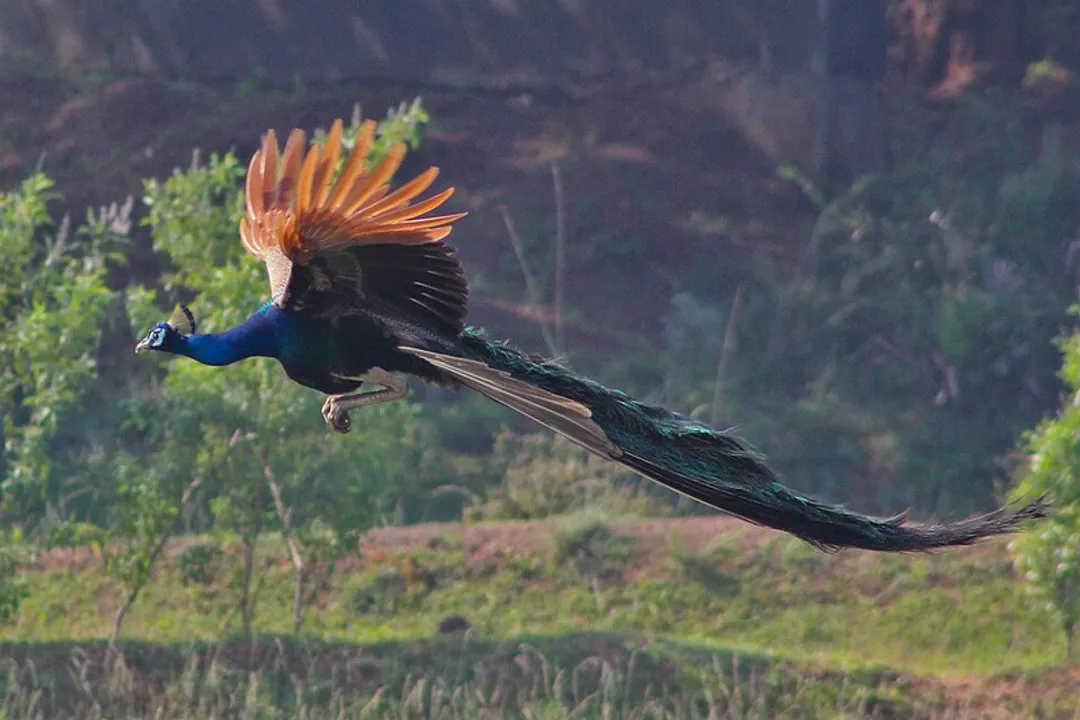
The most immediate and unmistakable physical characteristic setting birds apart is the presence of feathers. [1][3] No other living group of animals possesses true feathers; they are unique to Aves. [1] These intricate structures are modified scales, composed primarily of keratin, the same protein found in human hair and fingernails. [2] Feathers are not just for aesthetics or insulation; they are marvels of bioengineering essential for flight, providing the necessary airfoil shape and surface area on the wings and tail. [8] Furthermore, different types of feathers serve various purposes. Contour feathers give the bird its shape and streamlined appearance, while downy feathers trap air close to the body for superior thermal insulation, keeping the bird warm even in cold climates. [7][4] The process of molting, where old feathers are systematically replaced, is vital for maintaining this crucial aerial and thermal capability. [8]
Another highly visible, yet sometimes misleading, characteristic is the presence of wings. [2][3] In almost all bird species, the forelimbs have evolved into wings adapted for flight. [6] While this adaptation defines much of their anatomy, it is important to recognize that not all birds fly. [2] Species like ostriches, penguins, and kiwis have wings that are either greatly reduced or highly specialized for swimming or balance rather than aerial locomotion. [7] Even in flying birds, the wings must be incredibly strong, supported by modified arm bones, to generate the lift and thrust needed to overcome gravity. [8]
# Skeletal Build
The skeletal system of a bird is a masterclass in structural efficiency, heavily prioritizing low mass without sacrificing necessary strength, a direct consequence of the demands of powered flight. [7][4] A significant adaptation involves the bones themselves; many are pneumatized, meaning they are hollow and filled with air spaces connected to the respiratory system. [8][9] This construction drastically reduces overall body weight. [7] However, these bones are not fragile. They often contain internal struts or cross-bracing structures that provide rigidity comparable to solid bone, a design principle engineers still study today. [9]
Several bones are fused in birds to create rigid structures necessary for supporting the stress of flight and bracing the powerful flight muscles. [1] The pelvic girdle fuses with the vertebrae, and the collarbones (clavicles) fuse to form the furcula, or wishbone, which acts like a spring during the wing beat cycle. [7][1] Perhaps the most prominent skeletal feature is the sternum, or breastbone, which is dramatically enlarged and features a deep, blade-like ridge called the keel or carina. [6][1] This keel serves as the anchoring point for the massive pectoral muscles responsible for the downstroke of the wings. [8] In flightless birds, the keel is often reduced or absent, reflecting their different locomotive requirements. [2]

# Breathing System
Birds maintain an incredibly high metabolic rate necessary to fuel sustained, energetic flight, which demands a constant, abundant supply of oxygen. [7][4] To meet this extraordinary demand, they possess the most efficient respiratory system found in any vertebrate group. [8][6] Unlike mammals, which inhale and exhale air through the same path (the lungs), birds use a unidirectional flow of air through their lungs. [1]
This system involves not just the lungs, but also a network of specialized air sacs distributed throughout the body cavity and even into some of the hollow bones. [4][8] When a bird breathes, it takes two full breaths to move a single packet of air completely through the system. [6]
- First Inhalation: Air enters the trachea and moves primarily into the posterior air sacs.
- First Exhalation: Air moves from the posterior sacs into the lungs, where gas exchange occurs.
- Second Inhalation: This now oxygen-depleted air moves from the lungs into the anterior air sacs.
- Second Exhalation: The air is finally expelled from the body via the trachea. [1][6]
This arrangement ensures that oxygenated air flows across the respiratory surfaces during both inhalation and exhalation, providing a nearly continuous supply of fresh air, a massive advantage over the tidal flow found in mammals. [6]
# Internal Power
The high metabolic needs are also supported by a highly effective circulatory system. [4] Birds maintain their status as endotherms—warm-blooded creatures capable of regulating their own internal body temperature—through this powerful engine. [6][3] Central to this is a four-chambered heart, [7][4] similar to that of mammals, which completely separates oxygenated blood from deoxygenated blood. [1] This complete separation ensures that only the most oxygen-rich blood is pumped out to the body tissues and flight muscles, optimizing oxygen delivery and metabolic efficiency. [9] The heart rate in birds is often considerably faster than in similarly sized mammals, reflecting the high energy turnover required to maintain flight and body heat. [7]

# Mouth Structure
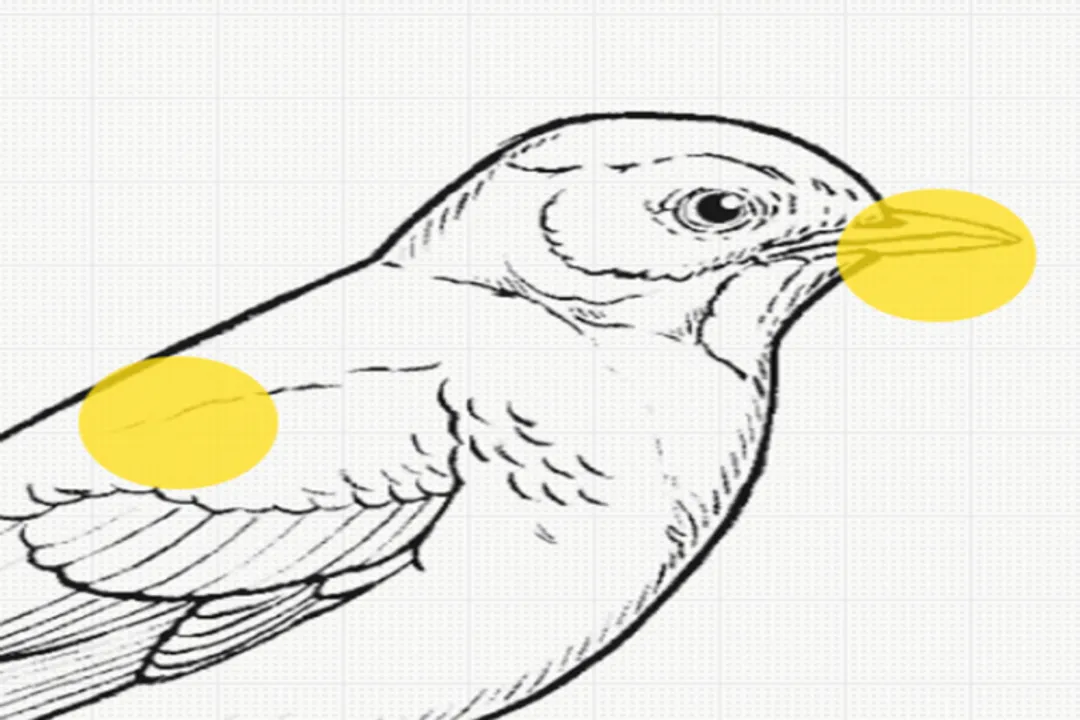
A striking departure from most vertebrates is the bird's beak, or bill. [2][4] Birds are characterized by the complete absence of teeth. [1][7] The jaw is covered by a keratinous sheath, forming the bill, the shape and structure of which are incredibly diverse and directly related to the bird's specific diet and feeding habits. [8] This diversity is so pronounced that one can often infer an animal's primary food source just by observing its bill morphology. For example, a raptor will possess a sharply hooked bill for tearing flesh, a shorebird will have a long, delicate probe for extracting invertebrates from mud, and a finch will have a short, stout bill perfectly shaped for cracking seeds. [8] Examining the variety of bills across local species reveals a fantastic snapshot of localized evolutionary pressure where form strictly follows function—the seed-eater’s sturdy bill is a biomechanical masterpiece for generating high crushing force over a tiny area, something no generalist tool could replicate effectively. [8]
# Reproductive Pattern
Like reptiles, birds reproduce by laying amniotic eggs with hard shells. [3][2] This characteristic is ancient, but the avian shell is unique, being composed primarily of calcium carbonate. [7][1] The process of reproduction is further specialized internally. In females, the reproductive tract is highly modified; for instance, mature females typically possess only a functional left ovary and oviduct. [9] This adaptation is thought to reduce the body weight carried by a flying female, minimizing the energetic cost during flight and incubation. [9] Once laid, the eggs require incubation, usually involving brooding behavior where the parent covers the eggs to maintain the necessary warm temperature until hatching occurs. [2]

# Specialized Senses
While many physical characteristics relate to flight and metabolism, sensory perception is equally critical for survival and foraging. [8] Birds, as a group, possess exceptionally acute vision. [8] The structure of the avian eye is often larger relative to the size of the head compared to mammals. [1] Many birds have specialized photoreceptors that allow them to see colors in the ultraviolet spectrum, colors that are invisible to human eyes. [8] This enhanced color perception is used for mate selection, detecting ripe fruits, or spotting prey that reflects UV light differently than its background. [1] In addition to sight, hearing is well-developed, though the external ear openings are often hidden beneath feathers for aerodynamic efficiency. [4]
The combination of these traits—the lightweight skeleton, the feather covering, the respiratory system tuned for high output, and the specialized beak—creates a biological machine optimized for aerial life and high activity levels. [6][1] While the physical characteristics are highly conserved, the variation within these systems, such as in bill shape or wing structure, showcases evolution’s ability to fine-tune a successful blueprint for countless ecological niches. [8]
#Videos
Bird Characteristics - YouTube
Related Questions
#Citations
What is Unique to Birds? | Bird Academy • The Cornell Lab
[PDF] TEACHER'S GUIDE What Makes a Bird a Bird?
29.5A: Characteristics of Birds - Biology LibreTexts
Description and Physical Characteristics of Birds - Paws Universe
Bird Characteristics - YouTube
Birds | Biology for Majors II - Lumen Learning
Bird - Wikipedia
[PDF] Bird Adaptations
Introduction to Birds - Bird Owners - Merck Veterinary Manual