West Siberian Laika Physical Characteristics
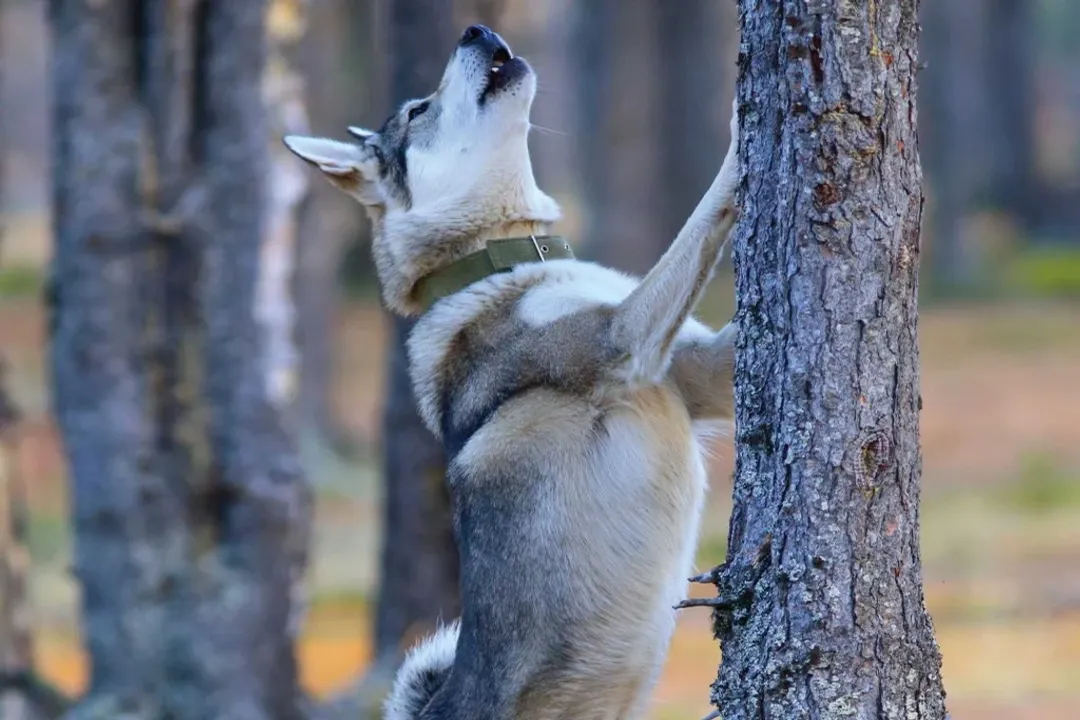
The West Siberian Laika presents an image of a medium-sized, hardy dog built for enduring harsh Northern climates and demanding work. [1][5] This breed carries the unmistakable look of an ancient Spitz-type dog, powerful yet balanced, suggesting high endurance and agility rather than brute force. [6][4] They are fundamentally a primitive working breed, and their physical structure speaks directly to a history of hunting in dense taiga forests. [6][9] Looking at one, you see a dog whose proportions are designed for efficiency in movement and survival in the wilderness, possessing a dense coat and a compact body shape. [2][5]
# General Build
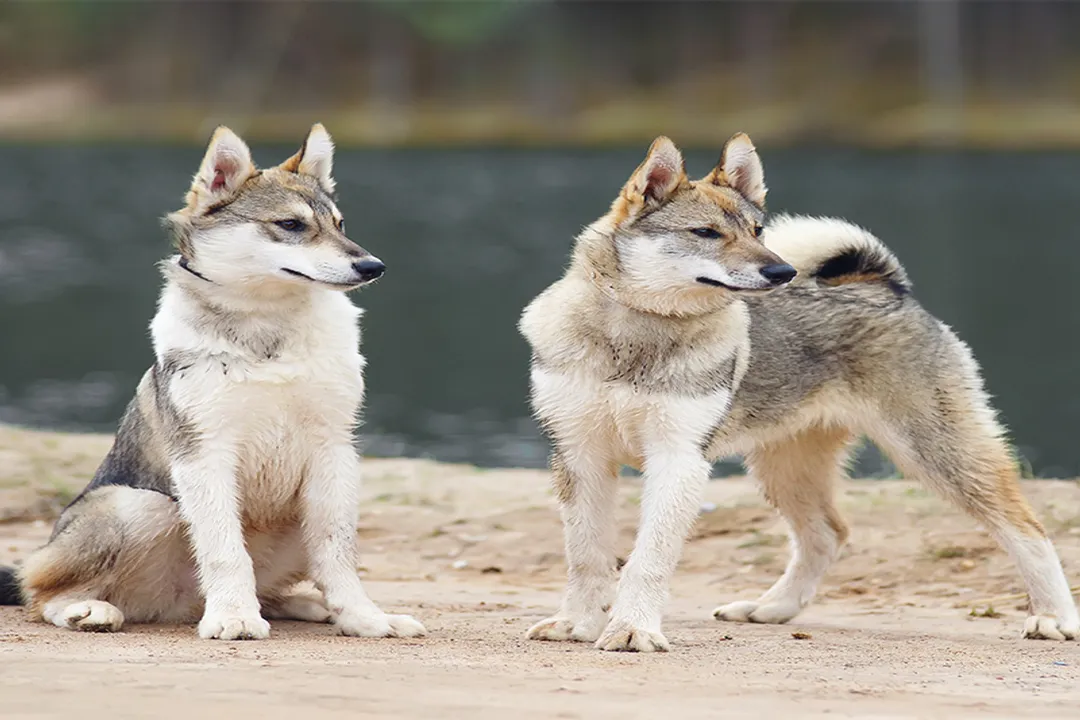
The overall impression of the West Siberian Laika should be one of strength, good bone structure, and a dry, muscular build. [5] They are moderately sized dogs, generally fitting into the medium category, but their density and coat can make them appear slightly larger than they truly are. [7] The body is slightly longer than it is tall, providing a frame well-suited for sustained trotting and movement through varied terrain. [5][2] The topline must be firm and straight, rising slightly towards the loin before sloping gently toward the croup. [5] They should not look coarse or heavy-boned, but rather possess elegance balanced with undeniable strength required for serious hunting duties in areas like the Ob River basin. [4][6]
The chest is well-developed, deep, and moderately broad, indicating ample lung capacity necessary for stamina during long hunts. [5] This deep chest does not, however, allow for a pronounced brisket or tuck-up that would suggest delicacy; instead, the abdomen is tight and moderately tucked up, providing a clean, athletic outline. [2][5] The overall musculature must be clearly defined but not overly bulky, prioritizing endurance over explosive, short-burst power. [6] When observing a well-bred Laika standing, you should sense an inherent readiness—a compact machine ready for action, a direct reflection of its purpose as a versatile hunting companion in the Siberian wilderness. [4]
# Head Structure

The head of the West Siberian Laika is distinctively Spitz-like, wedge-shaped when viewed from above or the side, tapering gently towards the nose. [5][2] It should be proportioned correctly to the body, neither too large nor too small, conveying intelligence and alertness. [9][5]
# Skull and Muzzle
The skull is broad between the ears, slightly convex or almost flat across the top, though some variation exists depending on the specific breed standard being referenced. [5][2] There should be a clear, though not overly deep, furrow between the eyes. [5] The stop—the transition from the forehead to the muzzle—is moderately defined; it should not be abrupt, but there needs to be a definite change in angle. [2][9]
The muzzle is strong, tapering evenly to the nose but never appearing pointed or snipey. [5] Its length should be slightly shorter than the length of the skull, which is a key proportion defining the breed’s appearance. [5][2] The flews (lips) are dry and tight-fitting, showing no looseness or pendulousness. [5][9] The jaws are strong, capable of gripping game securely, and they meet in a complete, correct scissor bite. [2][5] Pigmentation of the nose leather, lips, and eye rims is typically solid black, regardless of coat color, though brown/dark colors may be acceptable for certain lighter-colored dogs according to some standards. [5][9]
# Eyes and Ears
The eyes are perhaps one of the most expressive features on a Laika. They are almond-shaped or slightly oval, set obliquely, and generally give an intelligent, watchful expression. [5][9] Eye color is predominantly dark brown, often described as dark hazel or dark chestnut, offering a striking contrast against the lighter-colored coats common to the breed. [5][2] Lids should fit closely; hawiness or excessive showing of the haw is undesirable. [5]
The ears are a definitive characteristic of the Northern breeds: they are erect, set relatively high on the head, triangular in shape, and relatively small in proportion to the head. [5][2] They should be thick-skinned and well-furred, pointing directly forward or slightly to the side, demonstrating the breed’s constant state of awareness. [9] Floppy or semi-erect ears are a disqualification in the show ring, reflecting the historical need for sharp hearing while hunting alone in the woods. [2][5]
# Limbs and Movement
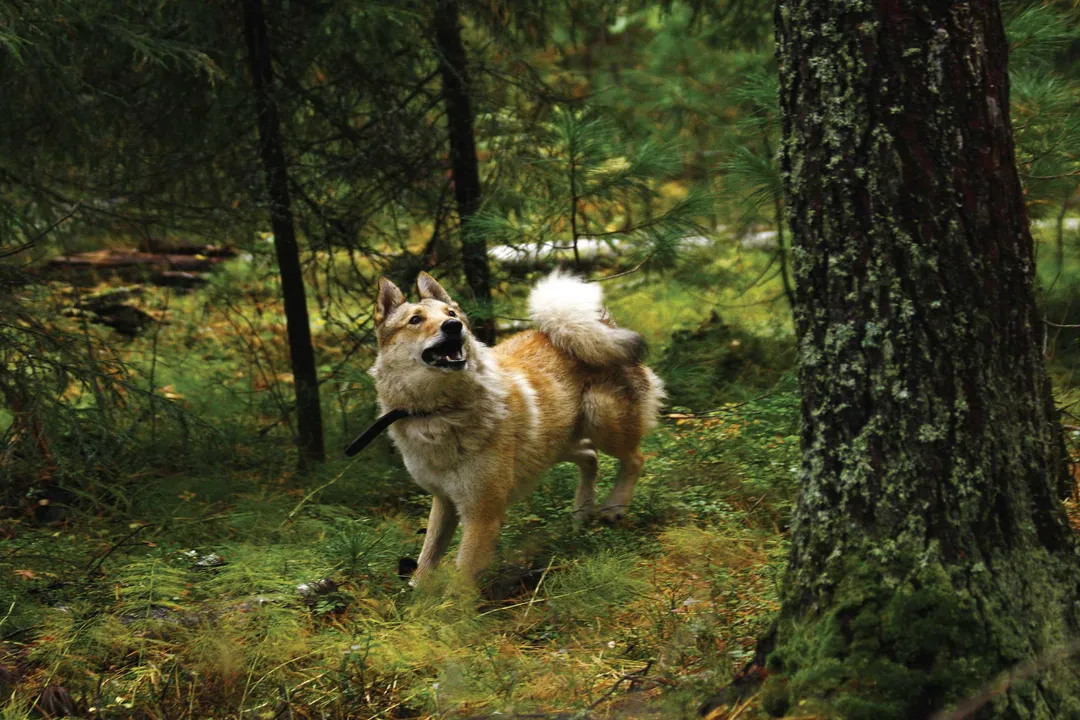
The West Siberian Laika is built for covering ground efficiently, and its legs must reflect this functional necessity. [6] The front assembly should be strong, with straight legs and well-developed musculature. [5] The shoulders are moderately laid back, allowing for a full reach in the trot. [2] When viewed from the front, the legs should appear perfectly straight and parallel, set moderately wide apart. [5]
The hindquarters are powerful and well-angulated, providing the main driving force for movement. [5] The thighs are muscular, and the stifles (knees) are moderately bent, leading down to strong hocks set fairly low to the ground. [2][5] This moderate angulation prevents both excessive slackness and the "over-angulated" look sometimes seen in breeds bred purely for speed, again favoring endurance and maneuverability in rough terrain. [6]
When moving, the hallmark gait is a tireless, ground-covering trot. [5] The dog moves straight, neither weaving nor paddling, with the topline remaining firm. [2] The feet are compact and distinctly oval-shaped, described as "cat-like". [5][9] They are well-padded, with short, strong, dark-colored nails, and the toes are closely knit together, often featuring dense fur between them which acts as natural snowshoes, keeping ice and snow from balling up between the pads. [2][9]
# Coat and Coloring
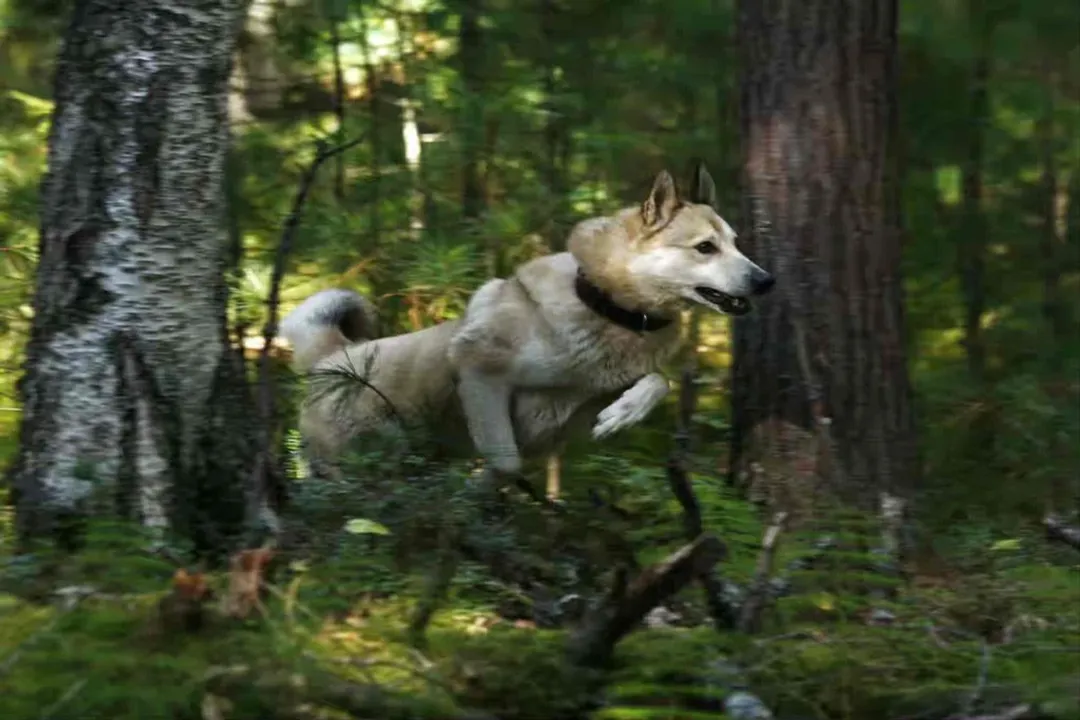
The coat is arguably the most defining physical feature, directly linked to the breed's survival in its native environment. [1] It is a thick double coat, perfectly adapted for insulating against extreme cold. [7] This thick layering is non-negotiable for the breed's authenticity as a Siberian worker. [4]
# Texture and Density
The undercoat is dense, soft, and woolly, providing the primary insulation. [5][9] While the undercoat is thick, it should not be so profuse that it obscures the outline of the dog. [2] The outer coat, or guard hair, is somewhat coarse and straight, never curly or soft. [5] This outer layer is responsible for shedding water and dirt. [7] The length of the coat is generally described as medium, being slightly longer on the neck, where it forms a noticeable ruff or mane, and on the back of the thighs, forming moderate breeches. [5][2] Feathering is present but should not be exaggerated, appearing on the backs of the forelegs and on the tail. [5] When groomed correctly—meaning minimally, as a working dog requires—the coat should still clearly define the dog’s powerful musculature beneath. [6]
It’s interesting to consider how this insulation works in practice; the woolly undercoat traps air close to the skin, insulating against temperatures that can plummet far below freezing, while the coarser outer coat sheds moisture from snow or rain, preventing the cold from penetrating to the skin—a sophisticated, natural climate control system for dogs working long hours outdoors. [4]
# Coloration
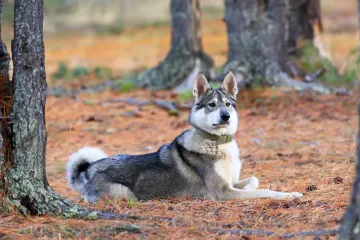
Coloration in the West Siberian Laika allows for a variety of shades, though some are more common or preferred in specific registries. [1][5] The predominant colors are white, pale yellow, reddish, or a combination of these shades, often appearing as a mixture of white and red/yellow hairs (grizzle). [5][9] Solid colors like grey, black, or any combination of black and white, or black and red, are also accepted. [5][2] The FCI standard, for example, notes that the lighter shades are often preferred, but explicitly states that the coat should not be marked with sharp, distinct spots or patches, leaning towards grizzled or generally mixed patterns. [5] It is important to note that while coat patterns vary, the expression in the eyes, set against the coat color, remains a key indicator of breed type. [7]
# Size and Weight Standards
The West Siberian Laika is classified as a medium-sized breed, though variations in height and weight exist between the sexes and between the standards of different international clubs. [7][8] Maintaining the correct proportions is more critical than hitting an exact weight, as the dog must be powerful without being cumbersome. [6]
Here is a comparison of general height and weight expectations, although readers should always consult the most current registry documents for confirmation:
| Characteristic | Male (Approximate) | Female (Approximate) | Source Notes |
|---|---|---|---|
| Height at Withers | 55–62 cm (21.5–24.5 in) | 51–57 cm (20–22.5 in) | FCI Standard [5] |
| Height at Withers | 53–59 cm (21–23 in) | 49–55 cm (19–22 in) | UKC Standard [2] |
| Weight | 18–22 kg (40–48 lbs) | 16–20 kg (35–44 lbs) | General Profile [7] |
The slight differences in height between the FCI and UKC measurements suggest that judging emphasis may vary subtly, with one standard perhaps favoring a slightly taller dog overall. [5][2] An adult male should appear decidedly masculine but never coarse, while the female should retain refinement while still looking strong and capable of work. [5] A dog falling significantly outside these ranges might possess a build better suited for other Laika types, such as the more robust East Siberian Laika, which is generally larger. [6] For instance, if a male consistently weighs over 25 kg (55 lbs) while maintaining a correct frame, it might verge on being too heavy for the traditional high-endurance hunting roles this specific Laika was developed for. [6][9]
# Temperament and Appearance Synthesis
While this article focuses strictly on physical characteristics, it is impossible to discuss the Laika's appearance without touching upon the physical manifestations of its temperament. [1] The structure is inextricably linked to its history as an independent, sharp hunting dog. The alert carriage, the prick ears, and the intelligent, dark eyes all contribute to an overall look of intensity and focus. [9][5]
The physical presentation should never be showy or overly ornate; the breed's appearance is dictated by utility. [4] If you encounter a West Siberian Laika with overly long furnishings or excessive feathering that obscures the strong, well-knit body beneath, it suggests a departure from the functional ideal upheld by its breeders in the taiga. [2][6] The breed standard rewards powerful yet balanced conformation, ensuring that this ancient Northern hunter remains capable of the task it was created for, year after year, across vast, unforgiving territories. [1][5]
Related Questions
#Citations
West Siberian Laika Facts - Dog Breeds - Wisdom Panel
[PDF] WEST SIBERIAN LAIKA - UKC
Everything about the West Siberian Laika: health, education, costs
West Siberian Laika - Russkaja Laika - Jimdo
[PDF] West-Siberian Laika - FCI Standard No
The West Siberian Laika to the East Siberian Laika - Project Upland
West Siberian Laikas - Dog Breeds - Embark
West Siberian Laika Dog Breed Information - Continental Kennel Club
West Siberian Laika Dog Breed Information and Pictures