Water Vole Physical Characteristics
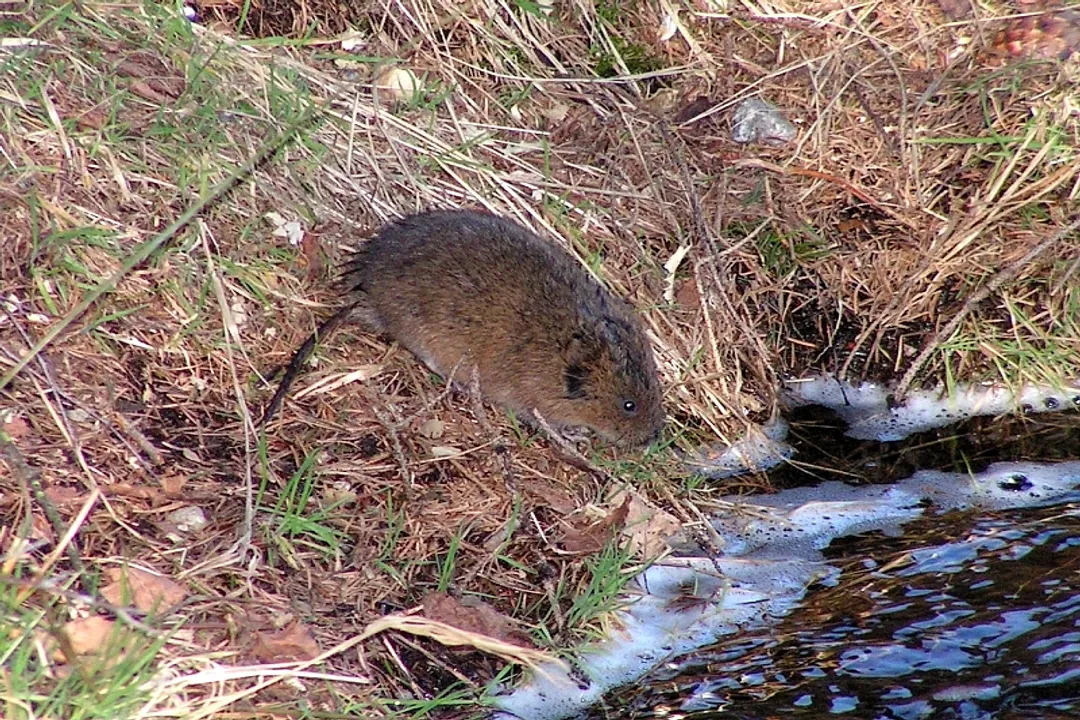
The water vole, Arvicola amphibius, presents a very distinct profile among the smaller semi-aquatic mammals, instantly recognizable by its particular combination of features that mark it as perfectly adapted to its damp, riverine environment. [6] Far from being a generic field rodent, this creature possesses a suite of physical traits that set it apart, most notably its bluntness of feature and compact build, which contrast sharply with its more slender, long-tailed cousins. [3][5] When one observes a water vole swimming or emerging from a bankside burrow, the overall impression is one of robust solidity rather than streamlined agility. [1][9]
# Stout Proportions
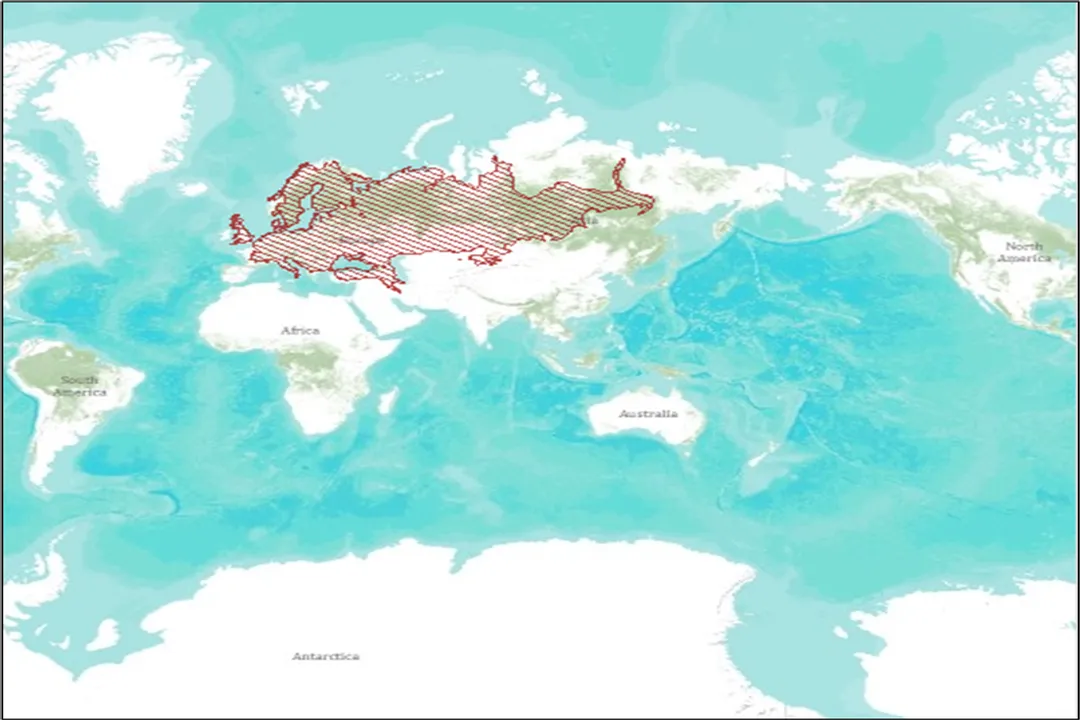
The general body structure of the water vole is notably stocky and somewhat chunky for its size. [3][5] Measuring the length of the head and body together typically falls between $16$ and $22$ centimeters. [4][6] This physical dimension is paired with a relatively modest weight, usually ranging between $100$ and $200$ grams, though individuals can certainly fall outside this bracket depending on age and season. [4][6] It holds the distinction of being one of the larger vole species found across its range. [6] Its legs are short and sturdy, perfectly suited for digging tunnels into soft earth banks and navigating dense waterside vegetation rather than sustained, fast terrestrial running. [5]
If we consider the overall size relative to the environment, the water vole’s compact, somewhat rounded profile offers a lower surface-area-to-volume ratio compared to a similar-sized rat. This body geometry, coupled with its dense fur, suggests an important thermal advantage, allowing it to maintain core body temperature more efficiently when spending significant time immersed in cooler water—a crucial attribute for an animal whose life centers around slow-moving rivers and ditches. [4]
# Fur Texture
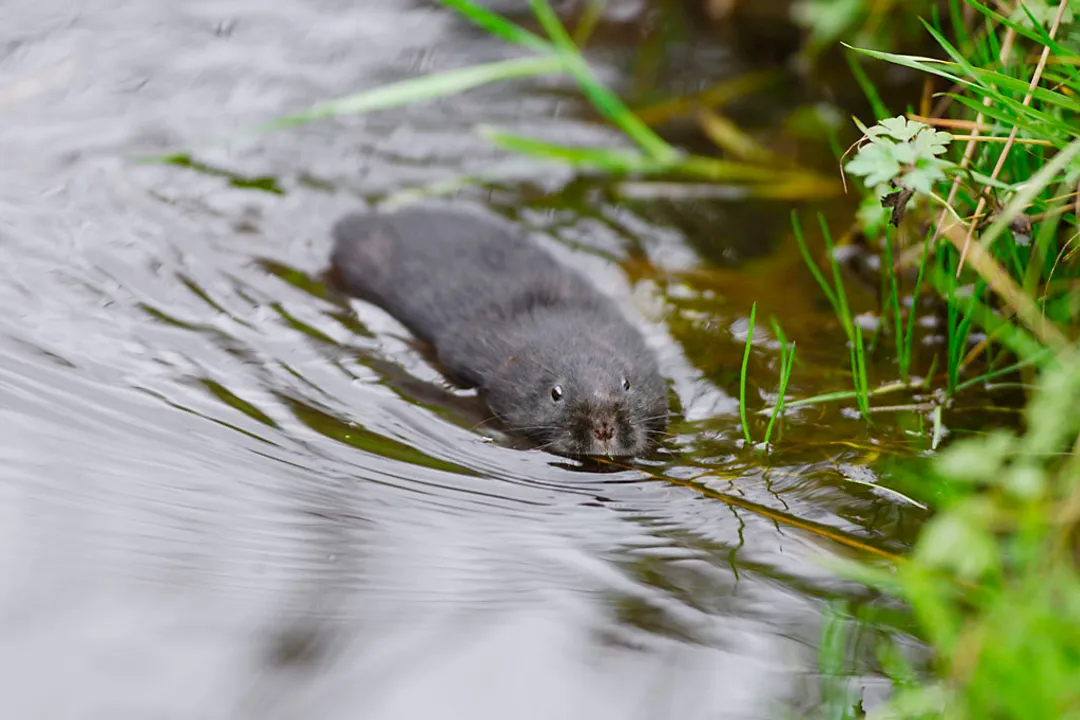
The coat of the water vole is perhaps its most immediate tactile characteristic, appearing thick, dense, and plush. [3][4][9] This heavy fur is vital for survival, acting as excellent insulation, particularly when the animal has been swimming or foraging in cold water. [4] In terms of coloration, the fur usually presents a dark brown or rich reddish-brown hue along the back and upper flanks. [3][9] Moving toward the underside, the colour lightens significantly, often presenting as a paler greyish or off-white shade. [3][5] This countershading—dark above, light below—is a common pattern in the animal kingdom, offering some degree of camouflage both from above (blending with the muddy bank or dark water surface) and from below (blending with the lighter sky if viewed from the water). [4]
# Head Profile
The head of the water vole is defined by its bluntness, a feature that immediately separates it from many other small mammals found in similar habitats. [1][3][5] It possesses a rounded, short snout. [1][3][6][9] This is a stark physical indicator distinguishing it from the common brown rat, which sports a distinctly pointed muzzle. [3][7]
The ears are small, round, and often appear almost hidden within the thick fur, further contributing to that compact, rounded head appearance. [3][5][9] This minimized external ear structure likely reduces heat loss and minimizes drag while swimming. [3] Complementing this profile are small eyes set to the side of the head, and prominent whiskers that aid in navigating burrows and underwater exploration in murky conditions. [3][5] The vole's dental structure, typical of rodents, features strong incisors used for gnawing tough vegetation and, crucially, for excavating its burrows. [6]
# Tail Length
The tail is another key feature used in identification, especially when confusion arises between a vole and a young rat. [7][9] For the water vole, the tail is relatively short, generally measuring between $7.5$ and $12.5$ centimeters. [4][6] Critically, the tail is usually shorter than the combined length of the head and body. [1][6][9] Furthermore, the tail is quite hairy or furred, unlike the long, sparsely haired, scaly tail characteristic of rats. [9] While the tail aids in steering while swimming, its relative shortness is a key field marker that enthusiasts learn to spot quickly.

# Feet Adaptations
Given their aquatic habits, the feet show specific adaptations. While they possess short legs, the hind feet are particularly noteworthy. [5] They are often fringed with stiff hairs or possess slight webbing, adaptations that assist in propulsion through the water. [1][6][9] These specialized feet allow the vole to be an accomplished swimmer, using a dog-paddle style, though they spend considerable time foraging on land as well. [9]
# Distinction Key
For anyone trying to confirm an identification near a waterway, the differences between the water vole and the common rat (or brown rat, Rattus norvegicus) are paramount, and they all come down to these physical characteristics. [7][9] A simple checklist derived from morphology can be invaluable when quick identification is necessary:
| Feature | Water Vole (Arvicola amphibius) | Brown Rat (Rattus norvegicus) |
|---|---|---|
| Snout | Blunt, rounded [1][3] | Pointed, narrow [3][7] |
| Ears | Small, rounded, often hidden in fur [3][5] | Larger, more prominent [3] |
| Tail Length | Short (shorter than head/body) [1][6] | Long (usually longer than head/body) [9] |
| Fur | Thick, dense, brownish/greyish underneath [4][9] | Coarser, sleeker, brownish/greyish uniform |
It is interesting to note how perfectly these physical traits correlate with behaviour. A frequent misidentification occurs when observing a young rat, which can be similar in size to a vole. [7] However, the rat’s more elongated body, pointed face, and very long, almost naked tail should be the immediate disqualifiers when looking for the charismatic water vole. [9] A particularly helpful field observation, not strictly about size but about posture, is that the water vole tends to move with a slightly clumsy, waddling gait on land compared to the more agile posture of a rat, reflecting its evolutionary bias towards the water's edge. [5] This reliance on the bankside environment means that the quality of the physical habitat—the presence of steep, unmanaged banks for burrowing and dense vegetation for cover—is intrinsically linked to the continued physical well-being and survival of these beautifully adapted creatures. [2][7]
Related Questions
#Citations
Arvicola - Wikipedia
North American Water Vole - Montana Field Guide
Water Vole - Roy Dennis Wildlife Foundation
Species showcase: Water vole | IUCN UK Peatland Programme
[PDF] Water vole - Living Levels
Arvicola amphibius (Eurasian water vole) - Animal Diversity Web
The water vole | Surrey Wildlife Trust
[PDF] Water voles - FACTSHEET
Water Vole - Arvicola amphibius - NatureSpot