Water Bug Physical Characteristics
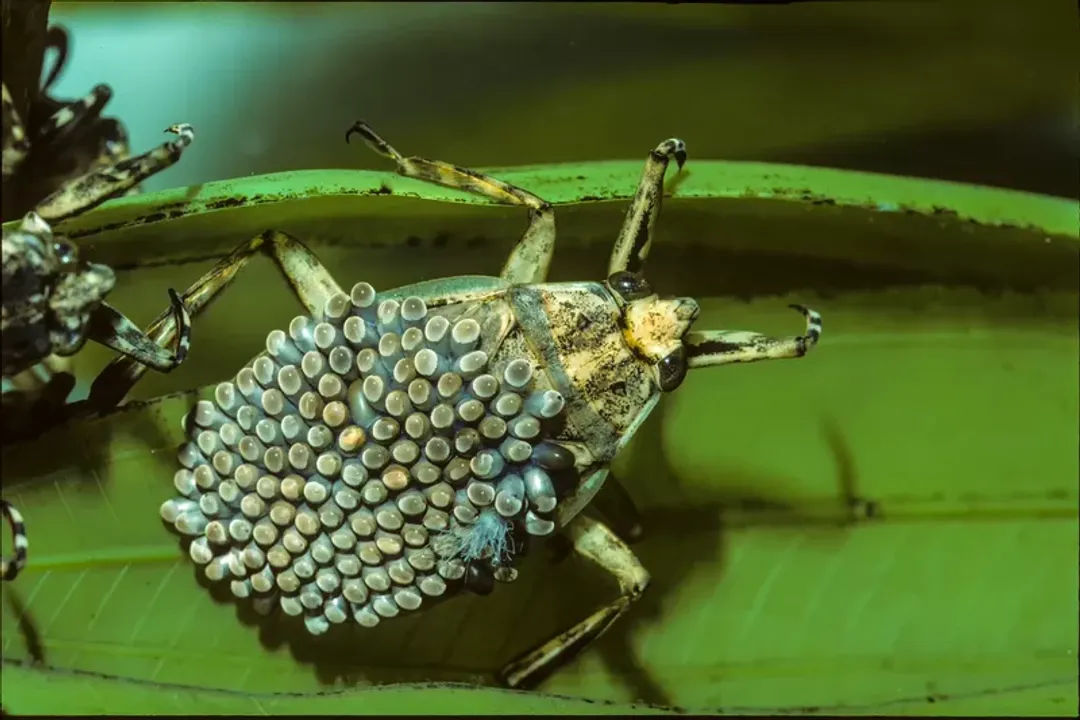
The term "water bug" often creates immediate visual confusion for many people, primarily because it can refer to several different types of insects depending on who you ask, ranging from large aquatic predators to common household pests. [2][5] When discussing the physical characteristics, it is most helpful to focus on the true aquatic varieties, often categorized under the family Belostomatidae, [1] or the commonly encountered Giant Water Bug, which is a prime example of this group. [7][8] Unlike the common house cockroach, which is sometimes mislabeled a water bug, these true aquatic insects possess several distinct physical markers that situate them firmly within the order Hemiptera, or "true bugs". [3]
# Body Shape
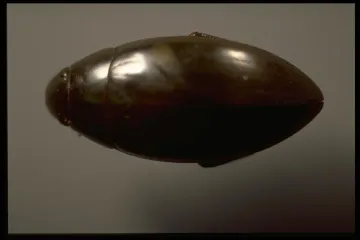
The general body plan of the true water bugs, particularly the large species known as Giant Water Bugs (sometimes called "toe-biters" due to their powerful grip) is quite characteristic. [8] They typically exhibit a flattened, oval shape. [1][7] This broad, somewhat dorsoventrally compressed form aids them in navigating water currents and hiding beneath debris or vegetation in their aquatic environments. [1] While there is variation across species, many fall into the medium-to-large size range for insects. [6] For instance, the Giant Water Bug species can reach impressive lengths; some individuals might measure up to around two inches long. [7][8]
Coloration serves as excellent camouflage within their natural habitats, which include ponds, streams, and slow-moving waters. [4] Their exoskeletons usually display dull, mottled shades of brown, tan, or gray. [7] This muted palette allows them to blend effectively with mud, submerged sticks, and detritus, which is critical for both ambushing prey and avoiding detection by predators larger than themselves. [4] Observing a specimen, one immediately notices the broadness of the thorax relative to its length, contributing to that characteristic shield-like appearance. [1]
A useful observation when examining specimens, especially in a field setting, is the texture and integrity of the outer shell, or carapace. While the general shape is consistent, the level of scarring or algae accumulation on the hard outer layer can sometimes give a rough indication of how long the insect has been in the water or its general age bracket; a heavily textured, dull carapace often suggests an older, established adult. [4]
# Front Legs
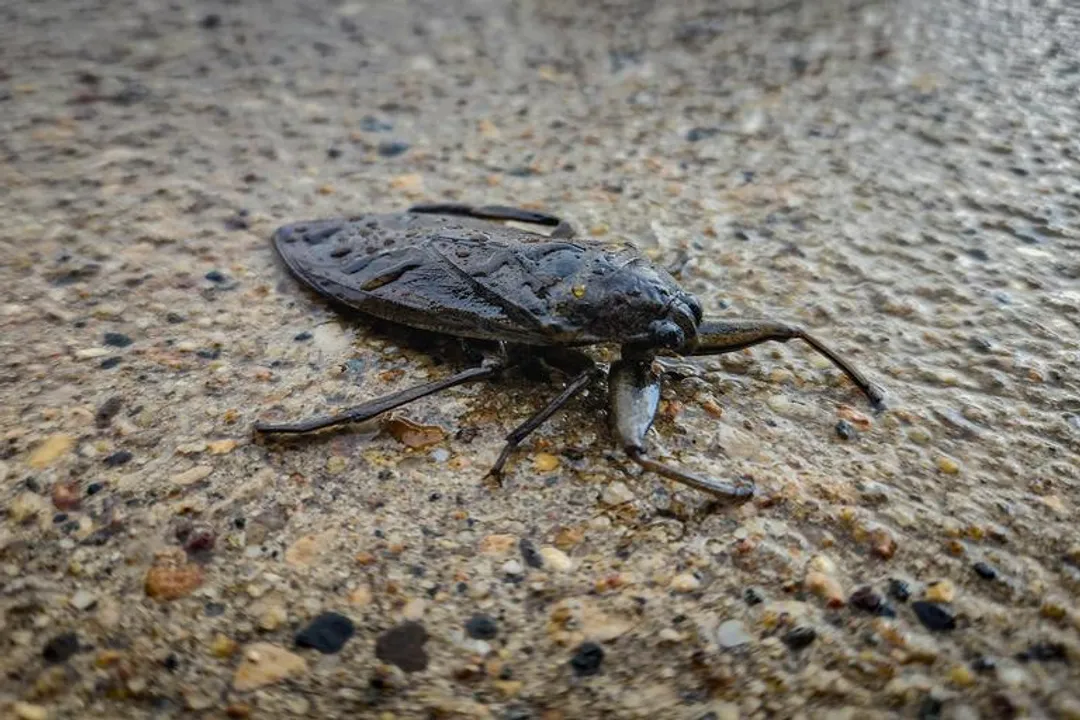
Perhaps the most instantly recognizable feature separating true water bugs, especially the predatory Giant Water Bugs, from other large insects like cockroaches, is the specialized structure of their front legs. [3] These forelegs are not adapted for walking or rapid running; instead, they are highly modified into raptorial appendages. [7]
Raptorial limbs are designed for grasping and holding prey firmly, much like those found on a praying mantis. [7] The front legs of the water bug are typically stout and muscular, featuring a strong femur and tibia that close together, often with sharp spines or serrations along the inner edges. [7] This mechanism allows the bug to capture small fish, tadpoles, snails, or other insects that venture too close. [4] Once prey is secured, the raptorial legs hold it steady against the bug's mouthparts for feeding. [7] This predatory adaptation is a key distinction from the generalist legs of many terrestrial insects. [3]
# Mouthparts and Feeding
Moving toward the front of the head, the mouthparts reveal the insect's feeding strategy. Water bugs, being members of the Hemiptera, possess piercing-sucking mouthparts, forming a structure known as a rostrum or beak. [1][7]
This beak is hard and relatively stout, designed to penetrate the tough skin or shell of their victims. [7] Once pierced, the water bug injects a potent, saliva-based substance into the prey. [4] This saliva acts as a digestive enzyme, liquefying the internal tissues of the victim externally. [7] The bug then sucks out the resulting nutrient-rich soup through the hollow rostrum. [4] This method contrasts sharply with chewing mouthparts and highlights their role as active aquatic predators. [7] Because of the strength required to puncture prey and the slight pain inflicted on humans if stepped on or grabbed, this feature contributes to their nickname, "toe-biter". [8]
# Wings and Respiration
While aquatic in habit, many water bugs, including the Giant Water Bug, retain the ability to fly, although they are often clumsy fliers when attempting to move between bodies of water or when attracted to lights at night. [4]
They possess two pairs of wings. [1] The front pair, characteristic of Hemiptera, are hemelytra—partially hardened at the base and membranous at the tip. [1] These are folded flat over the back when at rest. [1] Flight is generally used for dispersal or relocation rather than routine movement. [4]
Respiration in these insects presents a fascinating dual adaptation to their environment. While they do breathe air, they are not strictly air-breathers that must surface constantly like some aquatic insects. [1] Belostomatidae possess abdominal appendages that can function as siphons or breathing tubes, which they extend to the water's surface to draw air. [1] Alternatively, they can trap a silvery bubble of air beneath their wings (between the hardened forewings and the softer hindwings) to carry an oxygen supply while submerged. [1] This physiological setup allows them extended periods underwater while maintaining the necessary oxygen supply for their active, predatory lives. [4]
# Distinguishing Water Bugs
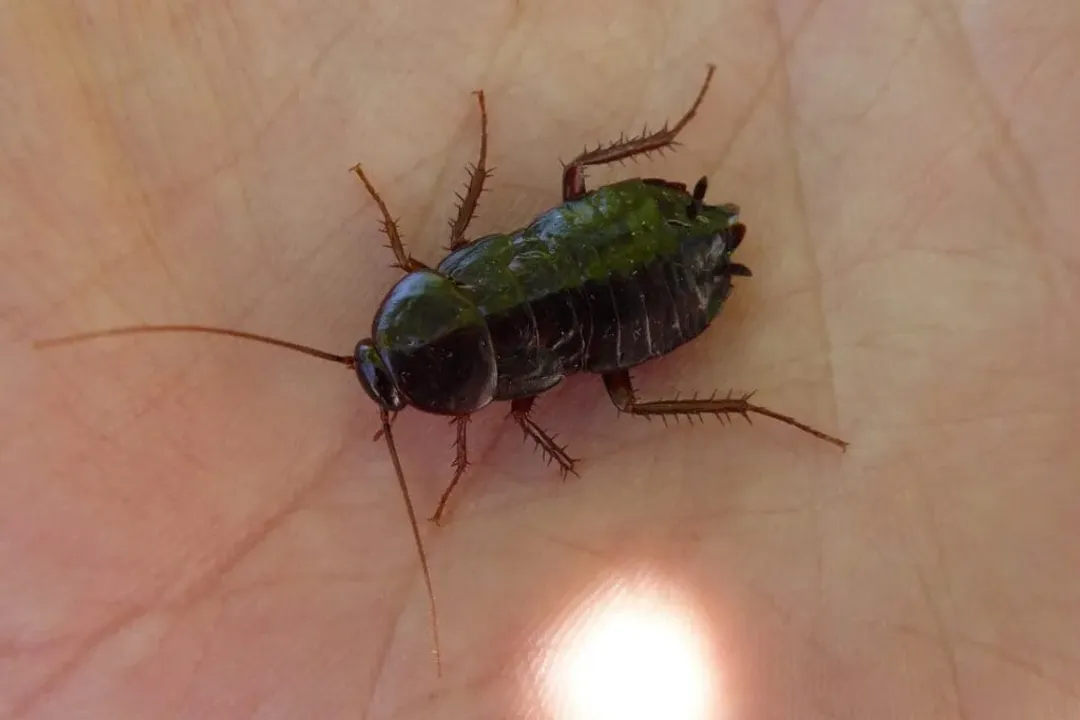
It is important to reiterate the distinction between the true aquatic water bugs and the common pests sometimes called water bugs, like cockroaches. [3] While both can be large, the physical differences are stark.
| Feature | True Water Bug (Belostomatidae) | Cockroach (Common Pest Misnomer) |
|---|---|---|
| Body Profile | Flattened, oval, shield-like [1][7] | Generally oval but more elongated/humped [3] |
| Forelegs | Raptorial; heavily spined for grasping [7] | Adapted for running; general walking legs [3] |
| Mouthparts | Piercing-sucking rostrum/beak [7] | Chewing mandibles (though often hidden) [3] |
| Habitat | Aquatic (ponds, streams) [4] | Terrestrial/Domestic [5] |
A good way to quickly assess an insect found near water is to check its legs. If the front legs look like they are built for catching rather than just walking, you are likely looking at a true water bug. [3][7]
When considering their presence near human dwellings, especially around illuminated areas at night, it’s worth noting that their strong tendency to fly towards lights after heavy rain often explains why people encounter them far from their usual pond habitats. [4] This migratory behavior brings their unique physical characteristics into unexpected residential settings. [6]
If we analyze the efficiency of their design, the combination of a flattened body for hydrodynamic stability and powerful raptorial limbs demonstrates a highly specialized evolutionary path for predation in shallow, complex aquatic settings. It’s a perfect example of form dictating function in the insect world, where every segment, from the siphon tip to the tarsal claws, is geared toward capturing and consuming prey larger than many terrestrial insects of similar size. [7] This level of specialization is what makes the Belostomatidae family a successful, though often unseen, component of freshwater ecosystems. [1]
Related Questions
#Citations
Belostomatidae - Wikipedia
What Are Water Bugs? - MMPC - M&M Pest Control
Water Bug vs. Roach Identification: Which Are You Dealing With?
Water Bug - Field Guide to Common Texas Insects
Water Bugs: What to Know - WebMD
Water Bugs: Nature's Aquatic Predators | All "U" Need Pest Control
Giant Water Bug (Lethocerus americanus) - Insect Identification
Larger Than Life: The Giant Water Bug - Pro-Staff Pest Control