What primary traits differ among the recognized Common Yellowthroat subspecies?
Answer
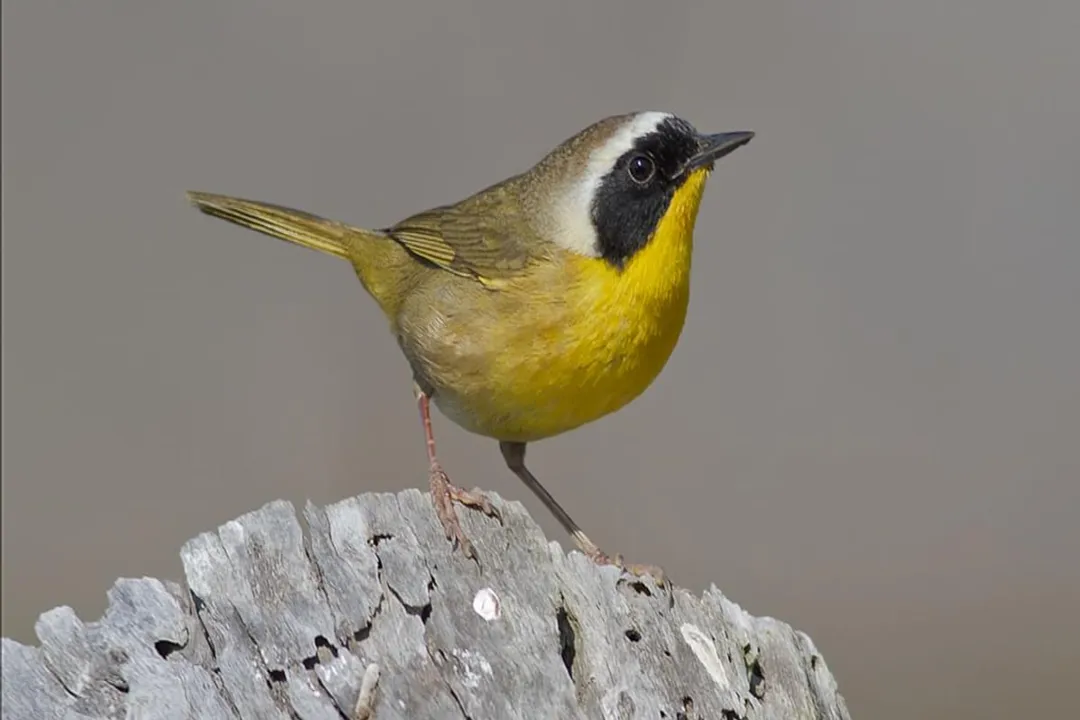
Extent of the male’s facial mask and upperpart darkness
The Common Yellowthroat's massive geographic distribution across North America has resulted in the recognition of several distinct subspecies. These variations are subtle but observable and are generally linked to local adaptation or genetic isolation within certain coastal or island areas. The most noticeable differences between these recognized subspecies involve specific aspects of the male's appearance. Specifically, researchers look at how extensive the black facial mask is and the precise shade or darkness of the olive-green coloration on the bird's upperparts. These variations reflect adaptation to slightly different local environmental pressures across their wide range.
Related Questions
What feature instantly recognizes the male Common Yellowthroat?What descriptive phrase often characterizes the Yellowthroat's signature song cadence?What ecological niche does the Yellowthroat strongly favor regarding vegetation structure?How does the female Common Yellowthroat's plumage contrast with the male's masked appearance?To which genus, known for favoring marshy habitats, does the Yellowthroat belong?Which major geographical area is excluded from the Common Yellowthroat's vast breeding range across the US?What management activity poses a direct threat to successful Yellowthroat breeding success?How high above the base of shrubbery or reeds does the Yellowthroat typically forage?What primary traits differ among the recognized Common Yellowthroat subspecies?Which adaptation is described as arguably more critical for the long-term success of the lineage?