How high above the base of shrubbery or reeds does the Yellowthroat typically forage?
Answer
Rarely moving more than a few feet up from the base
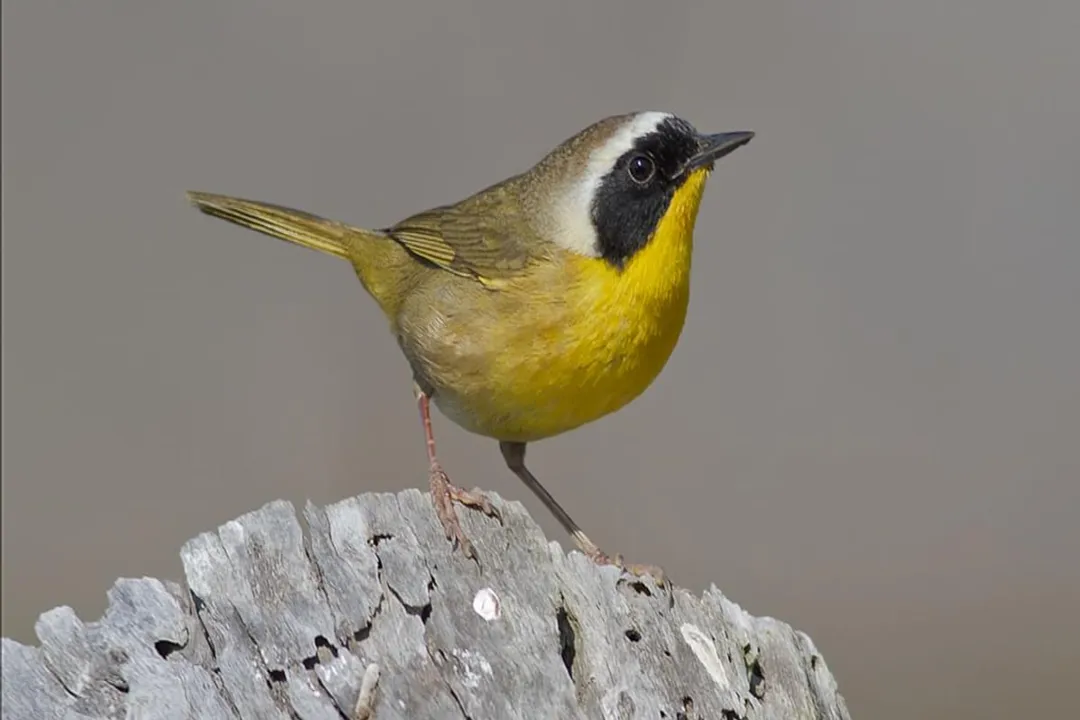
The Yellowthroat's habitat specialization dictates its vertical movement patterns. While other warblers might move into the mid-canopy or higher tree branches, the Yellowthroat is strongly associated with the dense undergrowth near the ground. Their foraging behavior reflects this tight constraint; they rarely venture more than a few feet vertically above the base of the reeds, shrubbery, or thicket vegetation where they reside. This behavior confirms their reliance on low, tangled cover for both feeding and protection from predators, illustrating a deep commitment to this specific low-level stratum.
Related Questions
What feature instantly recognizes the male Common Yellowthroat?What descriptive phrase often characterizes the Yellowthroat's signature song cadence?What ecological niche does the Yellowthroat strongly favor regarding vegetation structure?How does the female Common Yellowthroat's plumage contrast with the male's masked appearance?To which genus, known for favoring marshy habitats, does the Yellowthroat belong?Which major geographical area is excluded from the Common Yellowthroat's vast breeding range across the US?What management activity poses a direct threat to successful Yellowthroat breeding success?How high above the base of shrubbery or reeds does the Yellowthroat typically forage?What primary traits differ among the recognized Common Yellowthroat subspecies?Which adaptation is described as arguably more critical for the long-term success of the lineage?