Vermilion Flycatcher Evolution
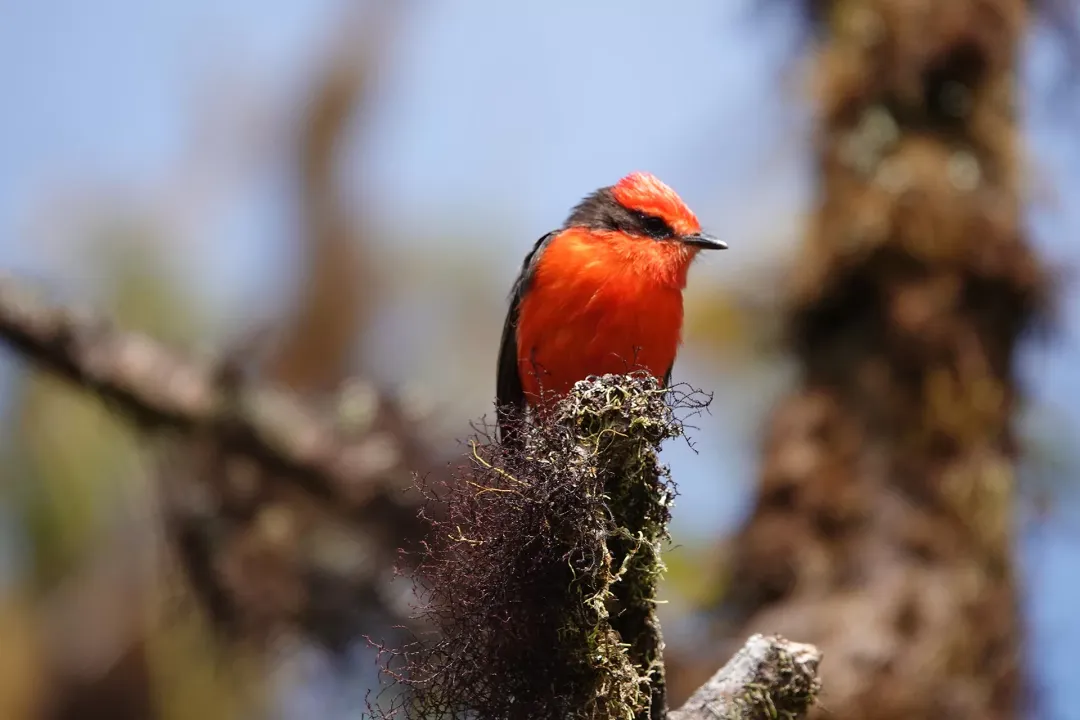
The brilliant crimson plumage of the male Vermilion Flycatcher makes it one of the most striking birds across its vast range, yet its very definition—its species status and boundaries—has been a subject of continuous scientific revision. What appears as one bird across North and South America is, upon closer inspection, a complex array of populations whose evolutionary history involves dramatic fragmentation, local extinctions, and ongoing debates about species delineation. [8] The bird’s scientific history reflects its diverse adaptations, moving from a single widely accepted species to a group requiring careful separation based on geography and genetics. [4]
# Taxonomic Splits
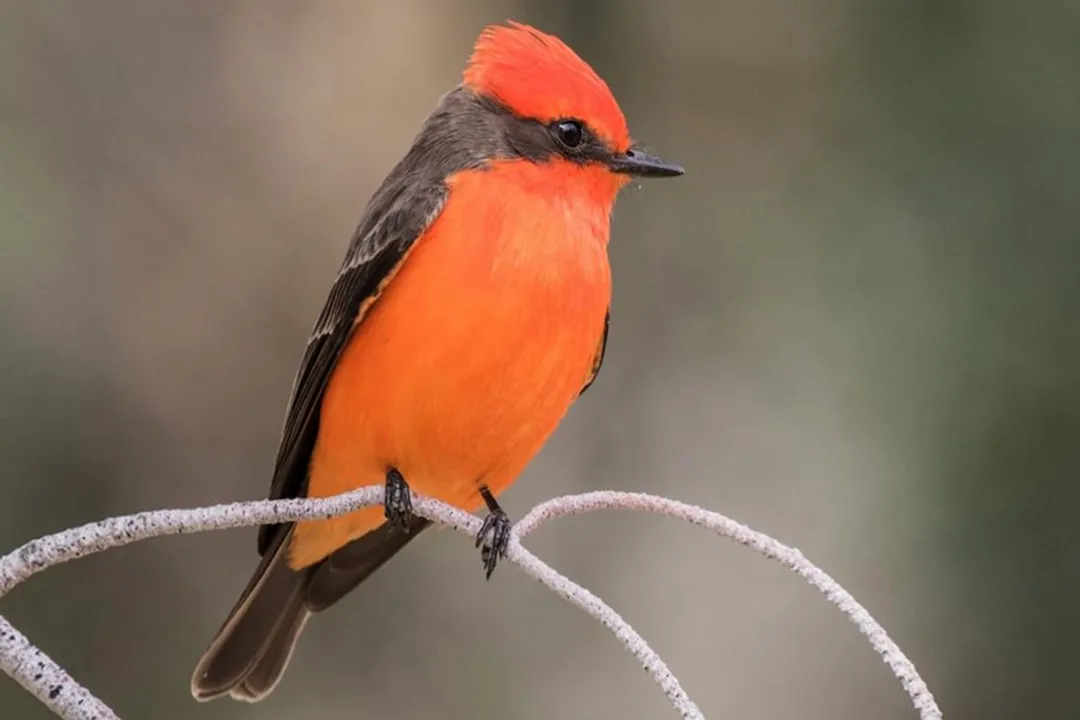
For many years, the North American and South American populations were often lumped together under the name Pyrocephalus rubinus or closely related taxa, but contemporary systematic studies often recognize distinct species within the Pyrocephalus genus complex. [8] These distinctions are not merely academic; they reflect real evolutionary divergence driven by geography and isolation. For instance, the widespread North American form is distinct from many of its South American relatives, suggesting that the species concept is less about a single, cohesive unit and more about a series of evolutionarily significant lineages that have developed independently over time. [4] The International Ornithological Congress Bird List, for example, has recognized shifts in nomenclature, indicating how authority figures in ornithology continually re-evaluate these evolutionary boundaries based on new data. [8]
When examining the evolutionary relationships, the degree of difference between some recognized subspecies or proposed species can be surprisingly subtle in appearance but significant genetically. It is fascinating how subtle visual cues, like the exact shade of red or the extent of black barring on the back of a female, can correlate with deep genetic separation accumulated over millennia of isolation. [5] This process highlights that evolution often acts first and most strongly on reproductive isolation mechanisms, which later become reflected in measurable physical traits, sometimes long before those differences become obvious to the casual observer. Understanding these splits requires looking beyond the common field guide identification and delving into the systematic literature that examines genetic markers across vast continental distances. [4][8]
# Island Loss
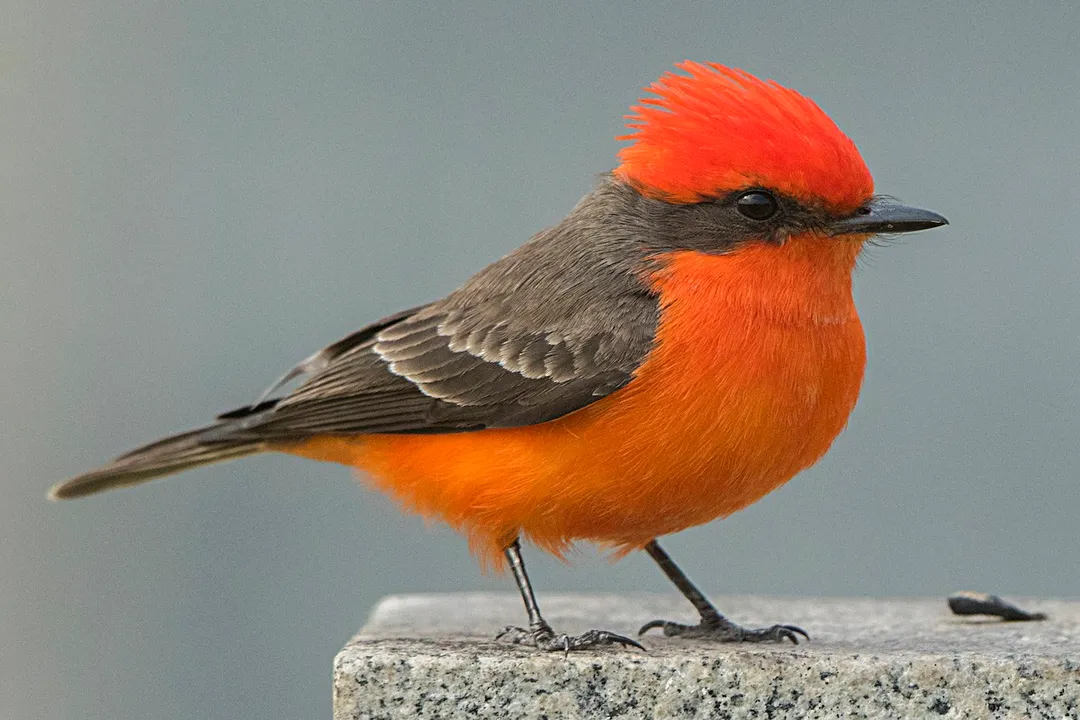
Perhaps the most poignant chapter in the Vermilion Flycatcher's evolutionary story involves island biogeography, specifically in the Galápagos Archipelago. This region is famous as a crucible of evolution, but it has also documented a definitive case of avian extinction linked to environmental change. [7] The Galápagos Islands once hosted a distinct species or subspecies of flycatcher, Pyrocephalus nanus, which is now considered extinct. [3][9] This bird was endemic to the archipelago. [9]
The loss of P. nanus serves as a stark reminder of how fragile evolutionary narratives can be when populations are restricted to isolated island habitats. While the exact timing and primary driver of the extinction are complex, habitat alteration and the introduction of invasive species are frequently cited factors in island extinctions. [7] Comparing the surviving Galápagos flycatcher species, such as the Vermilion Flycatcher of the islands (Pyrocephalus nanus or its successor, depending on the taxonomic framework used at the time of documentation) with its mainland relatives illustrates classic island speciation patterns—adaptation to novel ecological niches following dispersal from the continent. [9]
To contextualize this significant loss, we can look at the known diversity that was at stake, even if sources vary slightly on the precise number of island forms present historically:
| Location | Species Status (Contextual) | Key Evolutionary Implication |
|---|---|---|
| Galápagos Islands | Now Extinct (P. nanus likely involved) [3][7] | Rapid, localized speciation followed by catastrophic extinction. [9] |
| Mainland North America | Resident/Migratory populations (P. rubinus complex) [2][6] | High degree of phenotypic variation across subspecies. [4] |
| Mainland South America | Diverse, widespread populations [1][8] | Evidence of ongoing, slow continental divergence. [5] |
This situation in the Galápagos illustrates evolutionary potential—a lineage successfully colonized an isolated area and diversified—followed by immediate vulnerability when the ecological balance shifted. [7]
# Coloration Divergence
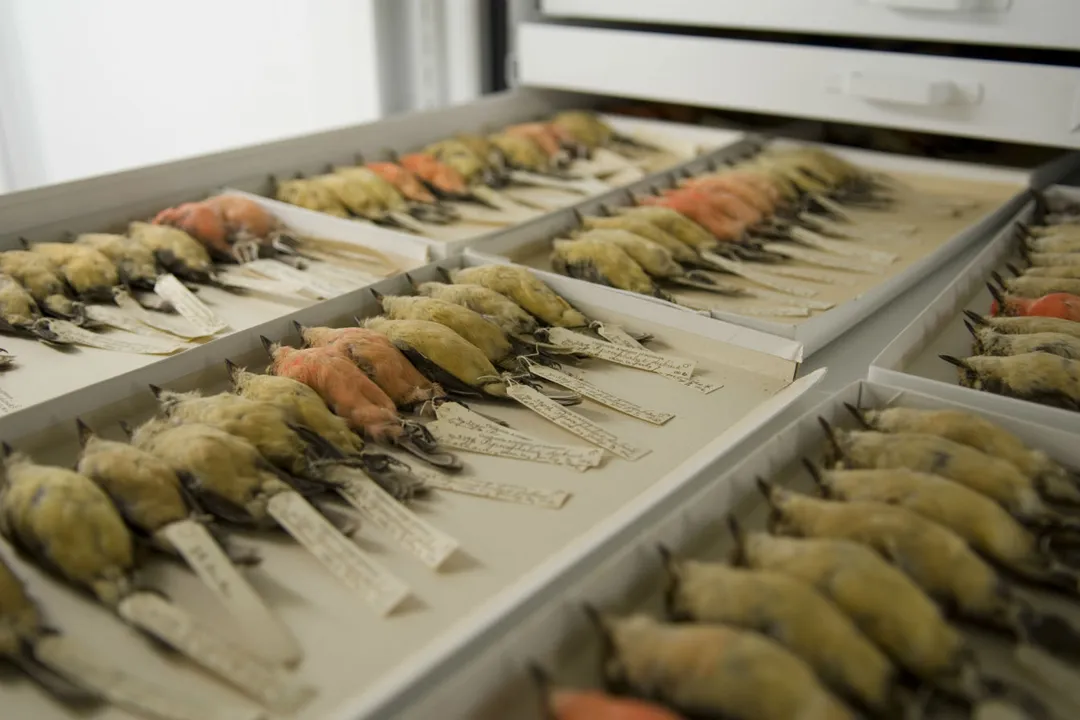
The most visually arresting feature of the Vermilion Flycatcher is the extreme sexual dichromatism, where the male is brilliant scarlet while the female is a more subdued mix of gray, white, and light reddish-orange. [1] This dramatic difference in appearance is a classic example of sexual selection driving rapid evolution in plumage, especially in males competing for mates. [1] The intensity and extent of the male’s color are often linked to fitness and dominance displays.
However, even within the male plumage, evolutionary variation exists across geography. While the basic pattern remains, subtle shifts in the hue or the amount of black on the back can differentiate subspecies across the continent, reflecting local selective pressures or founder effects following initial colonization events. [4] For the female, the evolutionary pressure is different, favoring cryptic coloration for camouflage while nesting, which leads to the muted tones that contrast so sharply with the male's conspicuous display. [1]
# Drivers of Differentiation
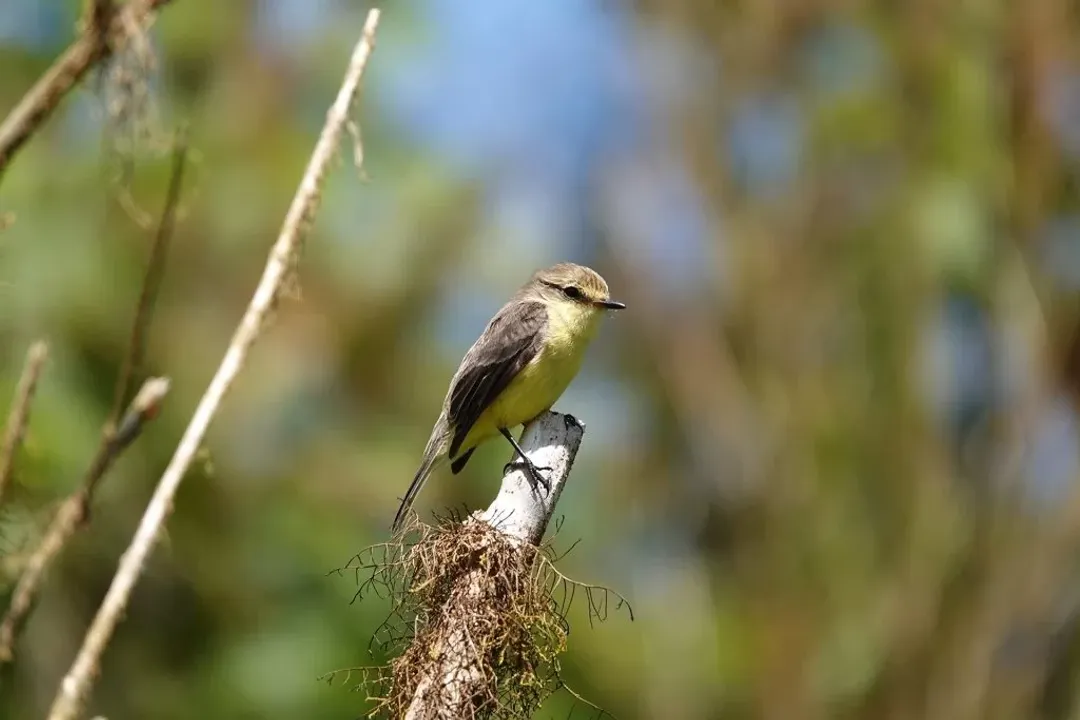
The process by which these flycatchers separated into their various forms across Central and South America likely involved periods of geographic isolation that restricted gene flow between populations. For instance, populations in different drainages or mountain ranges would have been separated long enough for genetic drift and local adaptation to solidify differences. [5] Scientific analysis that looks at molecular data is beginning to map these relationships with greater precision, revealing which groups are sister taxa (most closely related) and which have been separated for longer periods. [5][8]
One interesting element to consider when viewing the broader Pyrocephalus group is how environmental differences might have reinforced visual trait evolution. If a particular South American subspecies inhabits high-altitude scrubland with different insect availability compared to a lowland tropical subspecies, the selective pressure on foraging behavior and, subsequently, slight size or bill morphology differences would accumulate, further reinforcing reproductive barriers even if physical contact was rare. [1] This interplay between geography, habitat, and visual signaling suggests that the evolution of these birds is not just about the red pigment, but about complex co-evolutionary tuning to local conditions.
The situation in Texas provides a good example of distinct regional patterns. The breeding populations in the United States, often designated as P. rubinus mexicanus, exhibit specific migratory patterns, moving south for the winter, while populations further south might be entirely resident. [6] This difference in life history strategy—migration versus residency—is itself an evolved trait that separates these groups and can, over time, lead to reproductive isolation even between closely adjacent populations. [2]
# Regional Focus
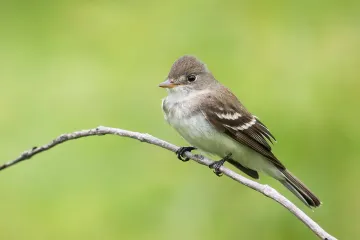
Considering the North American lineage, the Vermilion Flycatcher is typically associated with riparian areas—the vegetated banks along rivers and streams—which provide the dense cover necessary for both nesting and foraging. [2][6] This habitat fidelity acts as a strong selective force. A bird consistently breeding along the Rio Grande, for example, is repeatedly exposed to the same set of predators, vegetation types, and insect prey, driving selection toward the phenotype best suited for that specific environment. [2]
When observing these birds in a place like California, the focus often shifts to the need for specific microhabitats during the breeding season, such as areas with salt cedar or willow stands. [2] The persistence of the species in areas where suitable riparian habitat is scarce speaks volumes about the tightness of its evolutionary constraint to that specific environment. If one were to map the historical distribution versus the current fragmented distribution, the resulting pattern would visually represent areas where ecological conditions were sufficient to maintain the established evolutionary trajectory, contrasted with areas where pressures have led to local extirpation. [2] The contrast between the successful colonization and diversification seen in the Galápagos (which ended in extinction) and the persistence under threat in mainland areas like California highlights that evolutionary success is not just about diversifying, but also about maintaining fitness within changing environments. [7]
Related Questions
#Citations
Vermilion Flycatcher Life History - All About Birds
[PDF] Life history account for Vermilion Flycatcher
One species of Vermillion Flycatcher in Galápagos appears extinct ...
Split Pyrocephalus rubinus into multiple species
Phylogeography of the Vermilion Flycatcher species complex
VERMILION FLYCATCHER | The Texas Breeding Bird Atlas
Galápagos Islands face first-ever bird extinction - California ...
Systematics - Vermilion Flycatcher - Pyrocephalus rubinus
Pyrocephalus nanus Gould, 1838 - Charles Darwin Foundation