Vervet Monkey Evolution
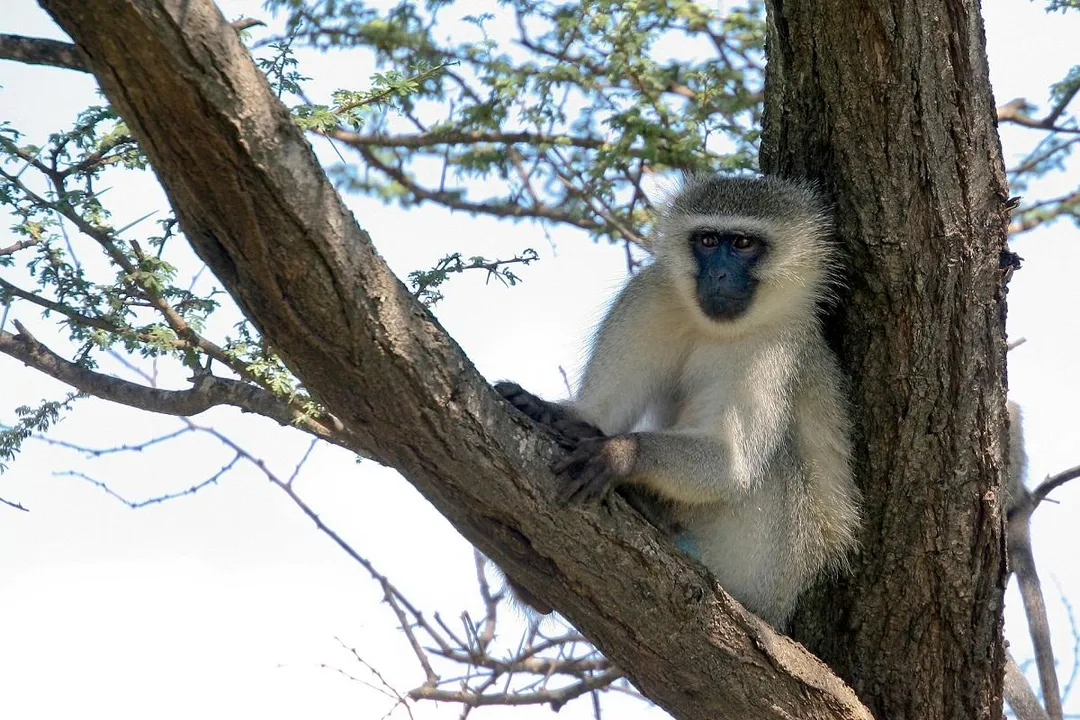
The vervet monkey, Chlorocebus pygerythrus, presents a fascinating case study in primate adaptation, embodying a success story across much of sub-Saharan Africa through behavioral flexibility and a keen awareness of its surroundings. [1][4] These medium-sized, ground-dwelling Old World monkeys belong to the genus Chlorocebus, a group that has successfully colonized diverse habitats, from savannas to gallery forests. [2][5] Understanding their evolutionary trajectory requires looking not just at their ancient lineage but also at the relatively recent divergence events that shaped their current distribution and specialized behaviors, like their complex vocalizations. [3][7]
# Taxonomy Roots
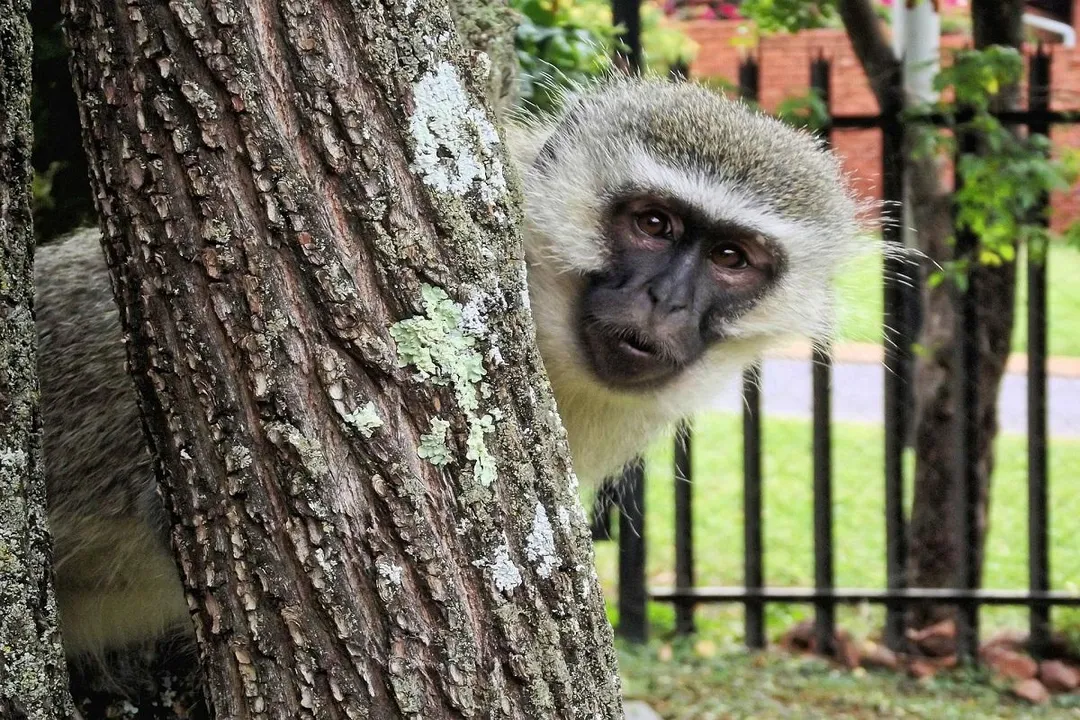
The scientific classification of the vervet monkey places it firmly within the Cercopithecidae family, which encompasses all Old World monkeys. [2][5] The genus Chlorocebus has seen some taxonomic reclassification over the years, often related to the splitting of various species from what was once considered the widespread Cercopithecus aethiops. [2][5] Currently, the vervet monkey is recognized primarily as Chlorocebus pygerythrus. [5] It shares its genus with several closely related species, including the common green monkey (Chlorocebus sabaeus), which is often confused with or considered closely related to the vervet, sometimes even considered conspecific depending on the classification system used. [2][8]
The species' classification follows a standard hierarchy: Kingdom Animalia, Phylum Chordata, Class Mammalia, Order Primates, Family Cercopithecidae, and Subfamily Cercopithecinae. [5] This placement within the Cercopithecinae links them evolutionarily with baboons and macaques, distinguishing them from the more slender, arboreal Old World monkeys like guenons. [2] This relationship highlights a tendency toward terrestrial foraging and a robust, adaptable body plan, traits that have served them well in open environments. [1]
# Habitat Range
Vervet monkeys demonstrate a broad distribution across Eastern and Southern Africa, though their presence is heavily influenced by habitat availability. [2][9] They are adaptable, favoring woodland and savanna environments, but can also be found in riparian zones and riverine forests. [1][4] Their range extends significantly, though specific subspecies distributions carve up the larger continental picture. [2] For instance, while the name "vervet monkey" is often used generally, the species is distinct from others found in West Africa. [8] They are adept at living near human settlements, often thriving in areas adjacent to agricultural land, which provides both foraging opportunities and sometimes increased predation risk. [4][9]
It is interesting to note the ecological partitioning in areas where closely related species overlap. In some regions, the presence of a physical barrier, such as a river, can correlate with the distribution of different Chlorocebus species. For example, the genetic and geographic separation between the vervet monkey and the green monkey often occurs along major river systems, suggesting rivers have acted as significant, if not absolute, barriers to gene flow during their divergence. [8] This reliance on specific environmental structures, like rivers providing necessary water access or forest cover, illustrates how geography dictates evolutionary distribution even for a generalist species. [1]
# Divergence Events
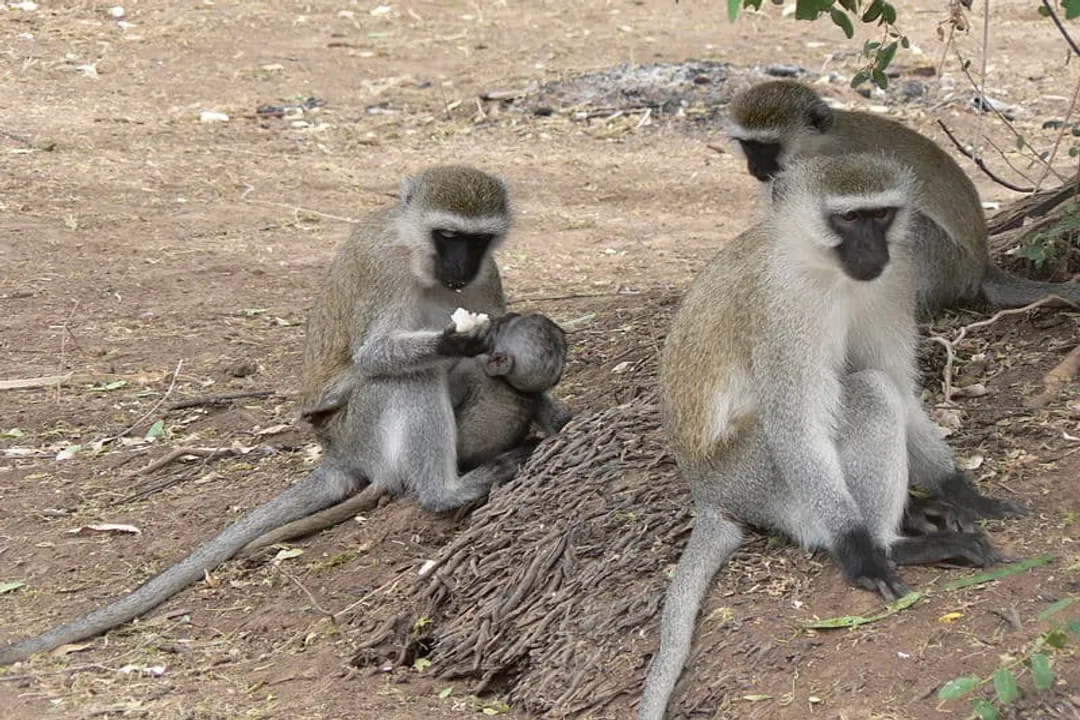
The evolutionary history of the Chlorocebus genus is marked by significant splitting events that led to the distinct species we see today. [6] A key point in this narrative is the differentiation between the vervet monkey and the green monkey. Genetic studies suggest that these two groups separated relatively recently in evolutionary terms. [6][8] While they may look similar and occupy adjacent territories in some areas, their genetic makeup confirms distinct lineages. [6] The separation of the common green monkey (C. sabaeus) from the vervet monkey (C. pygerythrus) is believed to have occurred around 1.9 million years ago (Mya), representing a significant timescale for speciation, yet relatively recent in the context of primate evolution. [6]
Another critical factor in understanding the vervet's evolution is the role of the African Rift Valley system. Geological activity has repeatedly opened and closed corridors of migration and created barriers to dispersal, strongly influencing how these primate populations mingled or became isolated. [6] The genetic evidence strongly supports the hypothesis that major speciation events within Chlorocebus were driven by Pleistocene climatic oscillations and associated changes in vegetation and river courses, which physically separated populations, leading to reproductive isolation and subsequent genetic drift. [6] This geological underpinning is fundamental to understanding why a group of highly similar-looking monkeys occupies specific niches across the continent.
# Adaptation Drivers
The evolutionary success of the vervet monkey is not solely attributed to geography but is profoundly shaped by ecological pressures, particularly predation. A substantial amount of research has focused on how their famous alarm call system reflects this evolutionary battle. [7] Vervets possess distinct, referential alarm calls for different predators: snakes, leopards, and eagles. [3][7] The need to communicate the type of threat, rather than just the presence of danger, provided a massive selective advantage.
This sophistication in communication suggests that the cost of miscommunication is high, driving the evolution of precise vocalizations. [7] A false alarm wastes energy and increases perceived risk, while a missed alarm means death. The ability to differentiate between aerial and terrestrial threats, for instance, allows group members to take appropriate, specific actions: diving into dense cover for a leopard, looking up and fleeing for an eagle, or standing on hind legs to scan the grass for a snake. [7] This nuanced communication system is a strong indicator of complex cognitive evolution under intense selective pressure from diverse predators. [3]
Considering the energetic costs involved, one can speculate on the evolutionary pressure this places on individuals. If a young vervet fails to learn or correctly interpret these calls, its survival probability drops significantly, potentially making the transmission of cultural or learned behaviors (the calls themselves) as critical to lineage survival as physical traits. [3][7] The very presence of different predators—the leopard requiring cover, the eagle requiring looking up—creates an environment where the action dictated by the call is as important as the sound itself, reinforcing the complexity of the communication evolution.
# Physical Traits
Physically, vervet monkeys are characterized by their relatively small to medium size and their grayish-green fur, which gives the genus its name (Chlorocebus meaning "green monkey"). [2][4] Adult males are generally larger than females, a characteristic known as sexual dimorphism, with males weighing between 3.9 and 8.0 kg, while females range from 3.6 to 5.5 kg. [2] Their limbs are relatively long compared to their body size, aiding in their agile movement both on the ground and in the trees. [1]
A striking feature is the coloration around the face and rump. Males typically possess a distinctive bright blue scrotum, which contrasts sharply with the yellow-brown coloration of the females' genital areas. [2] This exaggerated sexual signal is common in many primates and is likely an honest signal of male quality or dominance, playing a role in mate selection and intrasexual competition. [2] Their faces are often black, framed by white fur that runs from the cheeks to the throat. [1]
# Social Structure
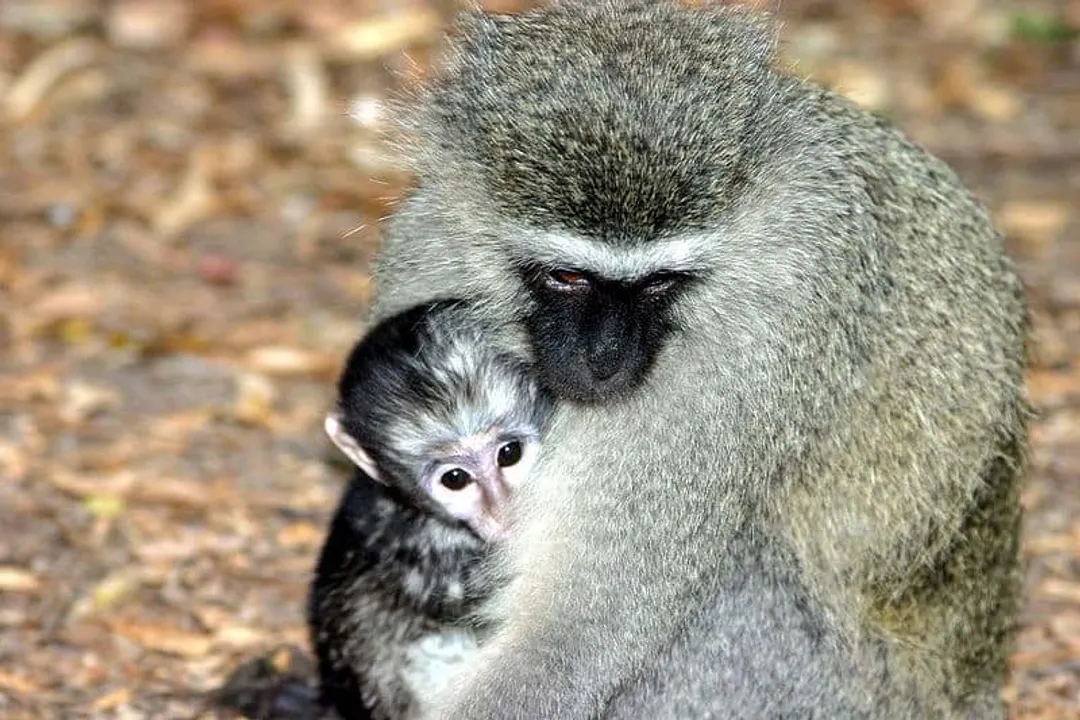
Vervets live in social groups, or troops, which typically consist of multiple adult males, several adult females, and their offspring. [4] The social structure is generally multi-male, multi-female, but the internal dynamics can be complex. [2] Female kinship plays a major role in the stability of the group, as females often remain in the group they were born into for their entire lives, establishing a clear dominance hierarchy based on matrilineal lines. [2][4]
Male succession, conversely, often involves immigration. Adult males usually leave their natal group upon reaching sexual maturity and transfer to a different troop. [2] The dynamics of these transitions can influence group stability and reproductive success for the incoming male. [2] Troop sizes can vary considerably depending on the habitat's carrying capacity, ranging from as few as six individuals up to 50 or more, which impacts foraging patterns and the intensity of competition for resources. [1][4]
# Conservation Status
While the vervet monkey is widespread and often adapts well to disturbed habitats, not all populations are equally secure, and conservation efforts are necessary in many areas. [9] They face threats primarily from habitat destruction due to expanding agriculture and human settlement, as well as trapping for the pet trade and bushmeat consumption. [4][9] Furthermore, conflicts arise when their adaptability leads them into direct contact with human resources, resulting in them being perceived as pests. [9]
Despite these pressures, the species is often classified as Least Concern on a broad scale due to its large range and presumed large overall population, though local extinctions are certainly possible. [2][9] Recognizing the ecological pressures that shaped their evolution—like the consistent threat of predation—is crucial for modern conservationists. When an ecosystem loses its apex predators or significantly alters its vegetation structure, the finely tuned survival behaviors of the vervet, like its specific alarm calls, may become less relevant or even maladaptive in the altered landscape, making the preservation of complex, natural habitats essential for their long-term viability. [7] Understanding their evolutionary niche helps ensure conservation strategies address the entirety of the environmental context they require.
Related Questions
#Citations
Vervet Monkey - Chlorocebus pygerythrus - A-Z Animals
Vervet monkey - Wikipedia
Evolutionary insights from wild vervet genomes - PMC - NIH
Vervet monkey - Wisconsin National Primate Research Center
Vervet Monkey (Chlorocebus pygerythrus) Fact Sheet - LibGuides
vervet monkey response to an evolutionarily new predator | bioRxiv
[PDF] Why Vervet Monkeys (Cercopithecus aethiops) Live in Multimale ...
Green and vervet monkeys live on either side of Africa and their ...
Vervet, Chlorocebus pygerythrus | New England Primate Conservancy