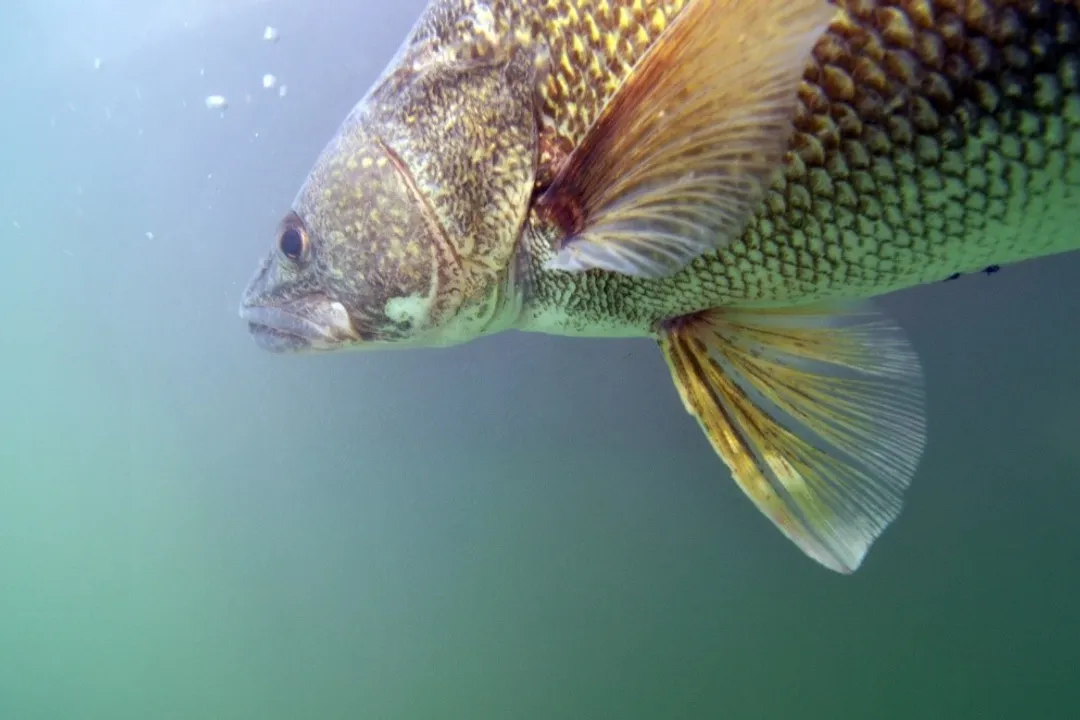
What physiological tolerances fundamentally restrict the walleye’s colonization potential?
Preference for low turbidity and high dissolved oxygen
The extensive geographical reach of the walleye is impressive, but its adaptability is constrained by inherent physiological tolerances, which define environmental filtering. The species exhibits a fundamental requirement for water quality characterized by low turbidity—meaning clearer water—and high levels of dissolved oxygen. These requirements act as limitations on where the species can successfully colonize. Failures in non-native introductions often confirm these limits; if a transplanted population cannot establish itself in system exhibiting consistently warm and oxygen-depleted bottom waters, it strongly suggests that the evolved physiological capacity of the species cannot withstand those sustained adverse conditions.