How poisonous is the fishing spider?
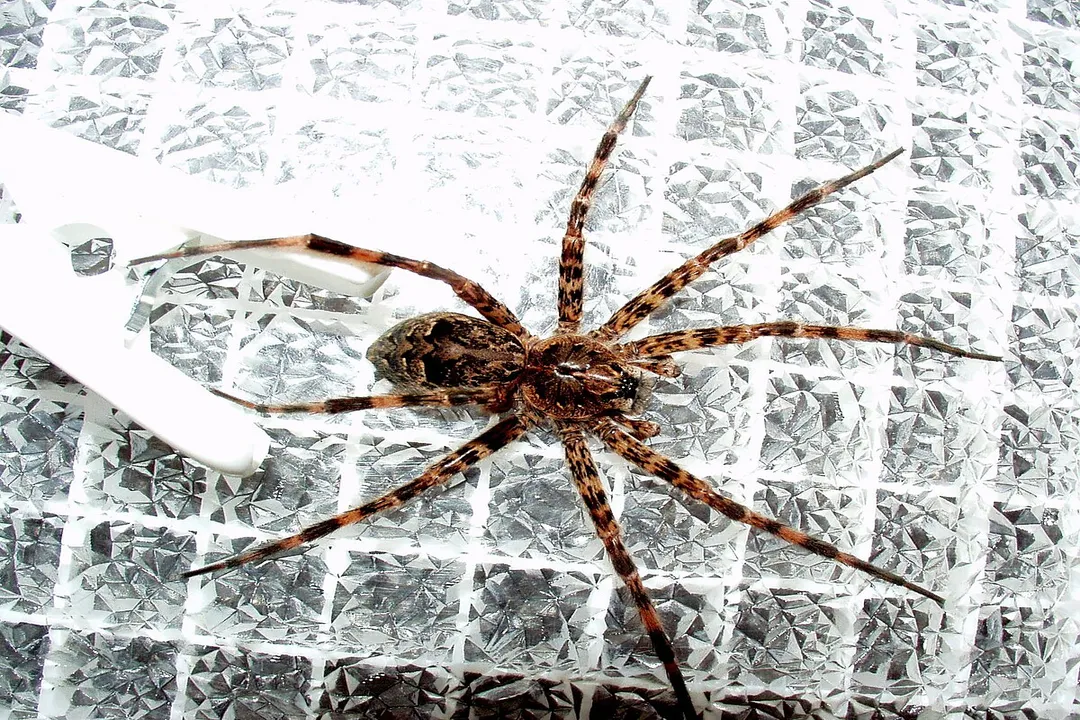
The large, hairy arachnids often seen skittering across the surface of ponds or lurking near pool decks inspire a significant amount of awe and, frequently, alarm. These are the fishing spiders, members of the genus Dolomedes, and the primary question surrounding them often centers on their capacity to harm humans: Are they poisonous? The direct answer requires a clarification of terms; they are venomous, meaning they inject toxins through a bite, rather than being poisonous through ingestion or contact.[2][5] For most people, the venom is not considered medically significant, though a bite certainly isn't a pleasant experience.[5]
# Venomous Nature
Fishing spiders possess chelicerae, the specialized mouthparts ending in fangs, which deliver venom to subdue their prey, which often includes aquatic insects, small fish, or tadpoles. [2][6] This ability to dominate creatures larger than themselves in their aquatic habitat speaks to the efficacy of their venom. [6] While they are indeed venomous, their aggression towards humans is generally low unless they feel directly threatened or trapped. [5] They typically prefer to escape rather than confront a much larger creature like a person. [1]
# Bite Reactions
When a fishing spider does bite defensively, the immediate effect is usually comparable to a bee or wasp sting, characterized by sharp, immediate pain. [5][9] Following the initial sting, localized reactions are common. These can include swelling, redness, and itching around the bite site. [5] While most documented cases result in only mild, temporary discomfort, significant pain can last for several hours in some instances. [9]
It is important to note the variation in source material regarding severe reactions. Some anecdotal accounts suggest that bites can result in persistent swelling or localized tenderness for several days. [1] However, severe systemic reactions, like those associated with the bites of medically important spiders such as the black widow or brown recluse, are exceedingly rare or unconfirmed for North American Dolomedes species. [5] If a bite occurs and symptoms extend beyond localized pain, swelling, or redness—such as nausea, muscle cramping, or significant allergic response—seeking prompt medical attention is always the safest course of action. [5][9]
# Habitat Proximity
These spiders are named for their specialized behavior near water sources. They thrive in environments adjacent to ponds, streams, marshes, and sometimes residential swimming pools. [2][6] Their hunting technique is particularly fascinating; they use surface tension to their advantage, walking across the water film like a tiny water strider. [2] If prey dips below the surface, the spider can submerge itself entirely, trapping a bubble of air around its body to breathe while it drags its catch back to shore or consumes it underwater. [6]
One interesting observation for homeowners is that while they are fishing spiders, the common encounters, especially with species like Dolomedes tenebrosus, often happen away from open water sources, sometimes deep within woodpiles or even inside garages or sheds. [8] This behavior suggests that while they utilize water bodies for food, they are adaptable hunters that readily exploit terrestrial cover for shelter and hunting terrestrial insects when water access is limited or seasonally inappropriate. They often seem to favor dark, damp areas for resting when not actively foraging near the water's edge.[8]
# Ecological Role
Far from being nuisances, fishing spiders serve an important function in their local ecosystems as effective, natural predators. [6] They help regulate populations of smaller invertebrates, acting as generalist carnivores near the water's edge. [6] By controlling these insect populations, they contribute to the balance of the wetland or pond environment they inhabit. [6]
If you observe a large Dolomedes near a healthy water feature, it is generally a sign that the aquatic insect population is sufficient to support a healthy predator population. The presence of these spiders, while sometimes startling when one appears unexpectedly on a patio chair, indicates a functioning micro-ecosystem. Unlike many pests that homeowners actively try to eradicate, the fishing spider is often considered a beneficial resident of the backyard biome, consuming bothersome mosquitoes, flies, and other small creatures.[6]
# Size and Appearance
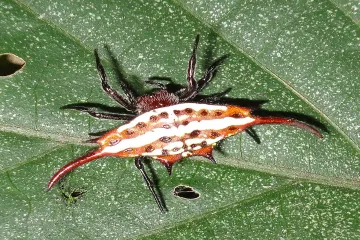
Fishing spiders are among the largest spiders found in North America, which contributes significantly to the fear factor when one is encountered. [2] Depending on the specific species, they can reach leg spans of up to three inches or more. [2] They possess noticeable markings, often featuring stripes or bands that can vary in color from browns and grays to blacks. [8] For instance, Dolomedes tenebrosus is noted for its dark, mottled appearance, sometimes confusing people into thinking they have found a wolf spider or a black widow due to their size and coloring. [8]
This size necessitates a relatively large amount of venom to subdue typical prey, which is why a defensive bite feels proportionally painful to a human, even though the venom itself is not typically dangerous systemically. It's a measure of their predatory adaptations rather than an indication of danger to larger mammals.
# Risk Contextualization
When evaluating the actual danger posed by a fishing spider, it is helpful to compare it against the known risks associated with more common household pests. A person is statistically far more likely to experience a severe reaction from a bee or yellow jacket sting than from a fishing spider bite. [5] Furthermore, interactions are rare; these spiders are not seeking out human habitation in the way that common house spiders might, but rather they are encountered only when humans encroach upon their preferred, damp, water-adjacent territory or disturb them while they are sheltering in dark spots. [8]
Another consideration for assessing risk is the frequency of envenomation versus bites from other arthropods. While the Dolomedes genus delivers venom as part of its hunting strategy, the motivation for biting a human is purely defensive, making unprovoked attacks highly unlikely. [1][5] For those who spend significant time outdoors near natural bodies of water or maintain backyard pools, understanding this low-risk profile can transform that initial shock of discovery into simple, cautious appreciation for a unique local predator. If you manage backyard water features, a simple check under pool skimmers or near deck edges before reaching can prevent the startling surprise that often leads to defensive spider reactions.[1]
#Videos
Are Fishing Spiders Dangerous? GIANT Fishing Spider Encounter!
Related Questions
#Citations
r/spiders on Reddit: Almost had a heart attack while cleaning the ...
Are Fishing Spiders Dangerous? GIANT Fishing Spider Encounter!
Encountering Dolomedes tenebrosus, a type of fishing spider, in the ...
Are fishing spiders poisonous? - Quora
Fishing Spider - Penn State Extension
Fishing spiders are our friends - Louisiana Forestry Association
The venom of the fishing spider Dolomedes sulfurous ... - PubMed
Dolomedes tenebrosus - Wikipedia
Fishing Spider Pest Control Services - Bulwark Exterminating