Walleye Fish Scientific Classification
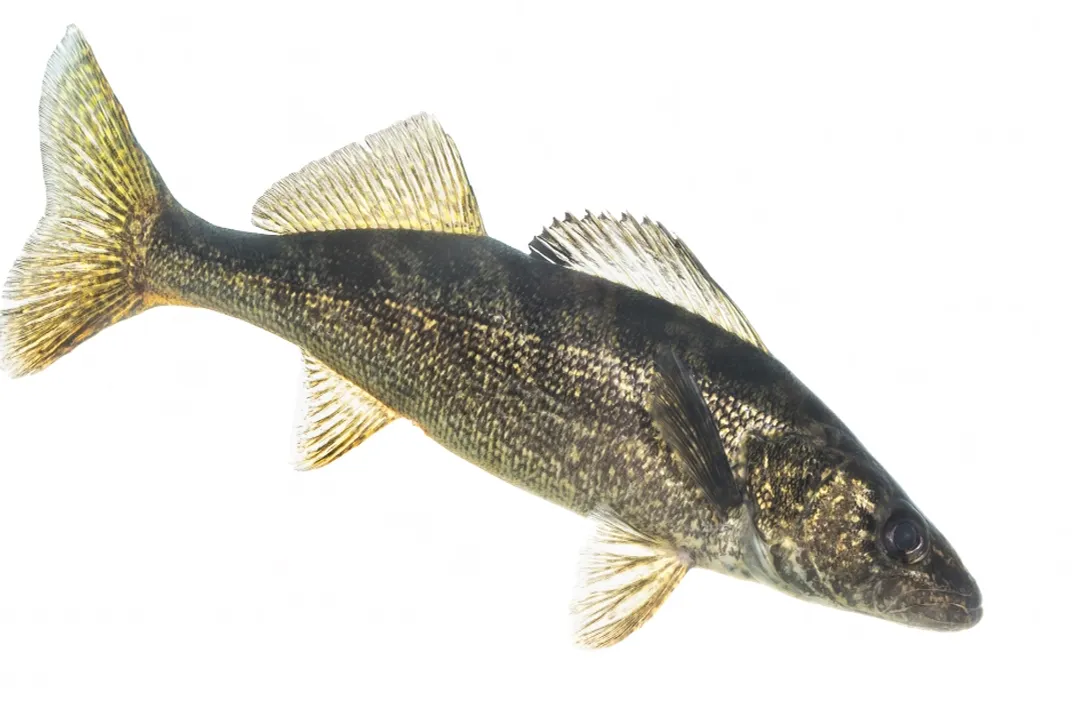
The familiar and highly prized sport fish known commonly as the walleye carries the scientific designation Sander vitreus, a binomial name that anchors it firmly within the Linnaean system of biological classification. Understanding this classification—the formal hierarchy that defines its evolutionary relationships and characteristics—provides critical insight into its biology, ecology, and distribution across North America. Placing S. vitreus within this structure reveals its kinship with other popular freshwater species and explains why it exhibits certain physiological traits favored by anglers.
# Formal Ranks
The classification of the walleye begins at the broadest level and narrows down to the unique species identifier. Its placement reflects a long evolutionary history shared with many other bony fish before specializing into the genus Sander.
The established taxonomic structure for Sander vitreus is as follows:
| Rank | Taxon |
|---|---|
| Kingdom | Animalia |
| Phylum | Chordata |
| Class | Actinopterygii |
| Order | Perciformes |
| Family | Percidae |
| Genus | Sander |
| Species | S. vitreus |
This hierarchy moves from the broadest group, Kingdom Animalia, encompassing all animals, down through the major divisions that define its body plan and evolutionary branch. Its membership in the Phylum Chordata signifies that, at some point in its development, it possesses a notochord, dorsal nerve cord, pharyngeal slits, and a post-anal tail, placing it among the vertebrates.
# Ray Finned Fish
Moving deeper, the walleye falls into the Class Actinopterygii, which translates literally to "ray-finned fishes". This massive class contains the vast majority of modern fish species, characterized by skeletons supporting their fins with bony rays rather than fleshy lobes, a defining trait that separates them from lobe-finned fishes like lungfish. This classification is fundamental to its overall morphology as a free-swimming, aquatic creature adapted for life in freshwater systems across its native range.
# Order Placement
The Order Perciformes is one of the largest orders in the entire vertebrate subphylum. While taxonomic groupings at the order level sometimes see revisions, S. vitreus has historically been placed here, grouping it with many spiny-rayed fish, including the familiar perch. This order affiliation hints at the general body shape—streamlined, laterally compressed—and the fin structure typical of popular game fish.
# Perch Kinship
The most ecologically significant classification step for the casual observer often rests at the family level: Family Percidae. This places the walleye directly within the perch family. Within Percidae, there are typically three recognized subfamilies: Percinae (true perches), Luciopercinae (pike-perches, which includes the walleye), and Stizostedioninae (sometimes grouped differently depending on the taxonomic authority).
The key relatives in this family are crucial for context. The walleye shares its family with the sauger (Sander canadensis) and various species of true perch (Perca). For instance, the sauger is closely related, sharing the Sander genus, but is differentiated by distinct morphological characteristics, such as smaller eyes and coloration patterns. This close relationship is particularly evident in areas where hybridization occurs, leading to the creation of "saugeye," a fertile cross between the two species, which underscores the narrow genetic boundary separating S. vitreus from S. canadensis. A practical implication for fisheries management is that distinguishing between these closely related, often interbred, populations requires more than just a general field guide; precise identification of specific fin ray counts or gill raker morphology might be necessary, illustrating how classification directly impacts management decisions.
# Genus Sander
The genus Sander specifically groups the pike-perches. Species within Sander are generally characterized by their relatively elongated bodies and, most importantly, their large, glassy-looking eyes. The specific epithet, vitreus, is derived from the Latin word for "glassy" or "made of glass," directly referencing this most striking physical feature. This adaptation—the large, reflective eyes that help them see in low light conditions common in their preferred deeper or turbid waters—is a primary reason for their success as crepuscular or nocturnal predators. The distinction between Sander and the Stizostedion genus, sometimes used historically or in specific regional works, highlights the dynamic nature of taxonomy, although Sander is currently favored for the walleye and sauger.
# Species Distinction
The binomial nomenclature Sander vitreus serves to identify this specific lineage uniquely. While the species is widespread across Canada and the United States, its populations show considerable genetic and morphological variation across this vast range. For example, the walleye found in the Great Lakes basin or the northern reaches of its distribution may possess slightly different growth rates or coloration than those in southern tributaries.
The species is widely distributed throughout the freshwaters of Canada and the northern United States. While many states and provinces manage it as a primary sport fish, its current global conservation status, as assessed by NatureServe, is G5, meaning it is considered Secure globally. However, viewing only the G5 status can be misleading for local conservation efforts. For instance, a state or province where specific populations are stressed due to habitat loss or overfishing might assign it a "Threatened" or "Species of Concern" listing locally. This layered assessment shows that while the overall classification places it as common, practical management requires examining sub-national designations derived from ecological assessments rather than relying solely on the species' high-level global security ranking.
# Morphological Markers
Beyond the Latin name, specific anatomical features further confirm the classification. Walleye possess two separate dorsal fins, with the anterior fin being spiny and the posterior fin soft-rayed, a common feature within the Perciformes. Their mouths are large, containing prominent canine teeth that aid in grasping prey like minnows and insects, which is consistent with its placement as a carnivorous member of the perch family.
The common name "walleye" itself is a direct descriptor of its distinguishing characteristic, the large eye, yet its taxonomic synonyms are numerous, reflecting historical confusion or regional naming conventions before modern classification stabilized. Before Sander vitreus became the accepted scientific name, it was often referred to as Stizostedion vitreum. The acceptance of the genus Sander over Stizostedion represents an ongoing process of scientific consensus building based on genetic and morphological evidence, solidifying its current standing in the literature.
# Ecological Implications of Classification
The taxonomic placement within Percidae and its association with cold, clear, or turbid waters informs its habitat preferences. Walleye are generally considered coolwater fish, thriving in temperatures between 60°F and 75°F. Their sensitivity to high turbidity or extreme heat is often linked to physiological constraints shared by other members of the Sander genus when compared to more generalist species. For someone trying to locate this fish, understanding that its Sander classification points toward deeper, cooler environments, especially during the heat of the day, is a practical application of its taxonomy.
Furthermore, the genetic boundaries defined by species classification are vital for understanding potential evolutionary pressures. While hybridization with the sauger is known, hybridization with other Percids like yellow perch is generally not documented due to being placed in different genera, reinforcing the importance of the genus Sander as a meaningful reproductive barrier. This clear separation suggests distinct evolutionary trajectories even among close family members dwelling in similar waters.
# Consistency Across Regions
Reviewing data from varied geographic sources confirms the stability of the classification despite regional variations in size and population dynamics. Whether reported by the Ohio DNR, Wisconsin DNR, or the British Columbia government, the scientific identity remains Sander vitreus. This consistency across numerous state and provincial agencies is evidence of an authoritative consensus on its scientific identity. The fact that even the Fish and Wildlife Service uses Sander vitreus in its species profiles demonstrates broad institutional trust in this current designation.
The data collected by agencies across its range—from the Great Lakes tributaries to inland reservoirs—all point back to this single scientific classification, confirming that the physical and genetic markers defining S. vitreus are recognizable regardless of local environmental pressures which may cause phenotypic plasticity.
# Summary of Naming Conventions
To consolidate the importance of the Sander vitreus name, one must appreciate what the parts signify: Sander defines the pike-perch group based on shared ancestry and certain eye/body structures, while vitreus highlights the distinct, glass-like ocular characteristic that sets it apart from the sauger (S. canadensis) within that group. This dual naming structure provides both a general relational address (the genus) and a specific identifier (the species epithet). The stability of this binomial nomenclature, despite the occasional re-evaluation of higher taxonomic ranks (like Order or Family placement over decades), gives fisheries biologists, ecologists, and anglers a reliable point of reference for research and communication.
Related Questions
#Citations
Walleye - Wikipedia
Walleye (Sander vitreus) | U.S. Fish & Wildlife Service
Sander vitreus (walleye) | INFORMATION - Animal Diversity Web
Walleye | NC Wildlife
Walleye (Sander vitreus) - Species Profile
Walleye - WVDNR
Walleye | Fishes of Wisconsin
Sander vitreus Walleye - Species Summary
Sander vitreus - Walleye - NatureServe Explorer
Walleye | Ohio Department of Natural Resources