Where can I find dragon fish?
The term "dragon fish" can conjure very different images depending on who you ask—perhaps a terrifying predator lurking in the abyssal darkness, or perhaps a shimmering, expensive spectacle swimming in a specialized aquarium. The locations where you might "find" one are as varied as the creatures themselves, spanning the crushing pressures of the deep ocean to the glass tanks of the exotic pet trade. [4][6] Understanding which type of dragonfish you are seeking is the first crucial step in determining where your search should lead.
# Deep Sea
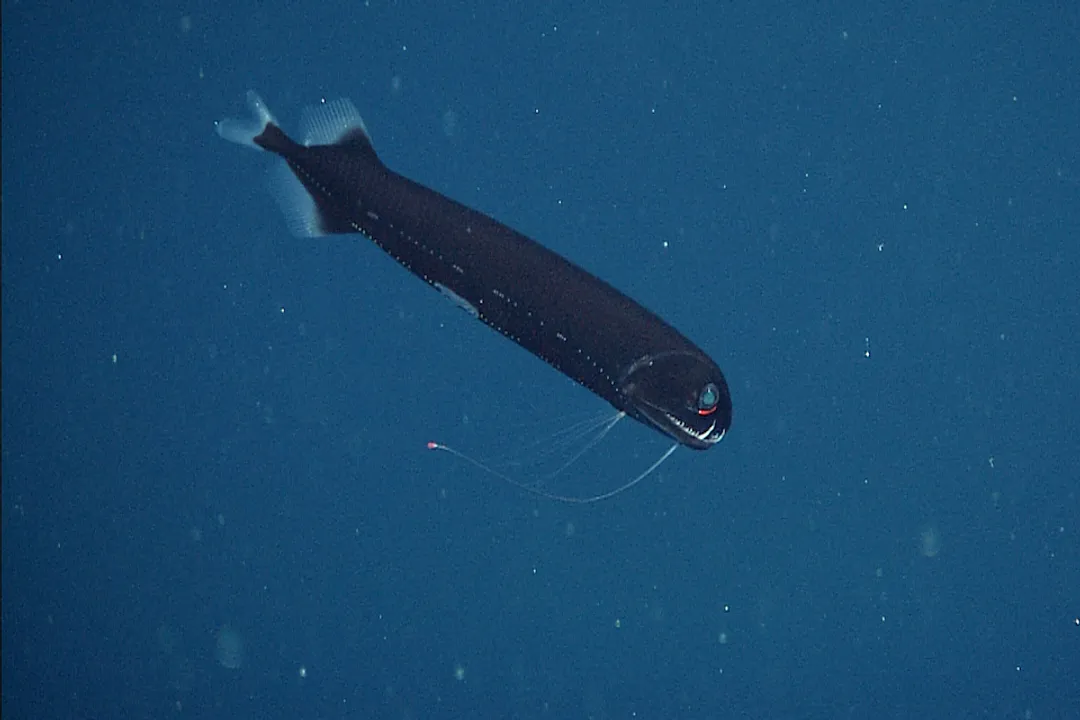
The original dragonfish are inhabitants of the ocean's twilight and midnight zones, thriving in environments utterly foreign to human habitation. [4] These fish belong to the family Stomiidae. [4] If your interest lies with these bioluminescent hunters, finding one involves submersible technology rather than a local pet store. They are distributed globally in the deep sea, often inhabiting depths ranging from the mesopelagic to the bathypelagic zones. [4]
These deep-sea varieties are characterized by their menacing appearance and adaptations to extreme darkness. For instance, many possess photophores, specialized light-producing organs, which they use for various purposes, including camouflage, attracting prey, or communication in perpetual night. [4] One distinctive feature is the barbel extending from the chin, which in some species is tipped with a luminous lure to tempt unwary victims closer in the blackness. [4]
The Quora query regarding whether a dragonfish is dangerous often pertains to these wild specimens. While they are predators, they pose no danger to humans unless one were to somehow encounter one at depth or bring one to the surface alive—a rare event outside of scientific research. [6] They are generally small, though powerful hunters within their own ecosystem. [4]
# Aquarium Trade
In the realm of aquariums and online marketplaces, "dragon fish" refers to a completely different set of species, often desirable due to their exotic appearance or perceived rarity. [3] This commercial designation can be quite broad and sometimes leads to confusion among hobbyists. [8]
One common source of potential specimens, particularly for those looking for unusual freshwater additions, is large retail chains, though this often involves a case of mistaken identity or a very specific, less-expensive look-alike. [2] For example, one user noted finally locating a Violet Goby at a Walmart, calling it a "dragonfish". [2] This highlights a key difficulty: the evocative name is sometimes applied loosely to fish that look slightly reptilian or imposing, even if they are not the true, high-value Asian Arowana (often called Dragon Fish) or the deep-sea Stomiidae. [2]
If you are searching for the highly prized Asian Arowana, which is commonly referred to as a Dragon Fish in many Asian markets, finding one involves specialized, licensed dealers, not general consumer outlets. [3] These fish are strictly controlled due to conservation status, and purchasing them legally often requires careful vetting of the seller. [3] Conversely, searching generic online platforms or large retail sites like Amazon might yield products related to the fish—like decorations or books—or listings for lower-tier, potentially mislabeled live specimens. [1][3]
For those in dedicated communities, like specialized Facebook groups or aquarium forums, the search involves networking and monitoring for private sales or specific stock arrivals at established exotic fish stores. [7][8] These communities are where experienced keepers discuss where they have successfully sourced rare or specific types of fish marketed under the "dragonfish" banner. [8]
| Fish Type | Primary Habitat | Typical Finding Location | Note on Rarity/Cost |
|---|---|---|---|
| Deep-Sea Dragonfish (Stomiidae) | Mesopelagic/Bathypelagic Zones | Scientific Trawls/Submersibles | Biologically priceless; commercially unobtainable [4] |
| Arowana (Common "Dragon Fish") | Southeast Asian Rivers/Aquariums | Licensed Exotic Dealers | Very high cost; legality varies by region [3] |
| Violet Goby (Misnomer) | Marine/Retail | Large Retail Chains (e.g., Walmart) | Inexpensive; common availability [2] |
When comparing the effort to discover the deep-sea dragonfish versus the effort to acquire an aquarium variety, the contrast is stark. A marine biologist might spend years securing funding for an expedition that lasts a few weeks, only to potentially observe one specimen using sophisticated imaging equipment. [4] The dedicated aquarist, meanwhile, might spend weeks cultivating a relationship with a specialty importer or waiting for a specific group member to offer a rare import, exchanging money for the animal rather than the extensive resources needed for deep-ocean fieldwork. [7][8]
# Sourcing the Aquatic Hobbyist Fish
For the aquarist, the process of finding the right "dragon fish" requires sifting through various retail and hobbyist channels. Online marketplaces are a starting point, but they demand scrutiny. Listings might feature high-end specimens, but without high-resolution, unedited photos or verifiable provenance, skepticism is warranted. [1] Always check the species name against reliable identification guides, especially when a common name like "dragonfish" is used. [8]
Community engagement offers a different path. Active participation in aquarium forums allows keepers to gain "street cred" and access to private sales or trusted suppliers known within the circle. [8] This environment often provides more accurate species identification and honest assessments of care requirements, which is vital for potentially sensitive or specialized fish. [8] Even casual observations shared on social media platforms, like a quick find at a massive general retailer, serve as temporary location data points for others seeking similar, albeit potentially mislabeled, livestock. [2]
# Natural Distribution Insights
Considering the Stomiidae family, their presence across the global deep sea means that no single geographic location is the spot to find them, unlike a specific river or lake. [4] They are creatures of depth zones, not territorial boundaries, though specific species might favor certain temperature gradients or current flows. [4] A fascinating aspect of their ecology is their widespread distribution within the aphotic zones—the perpetual darkness below roughly 1,000 meters—suggesting high adaptability to pressure and light conditions rather than reliance on specific coastal features. [4]
If you are focused on observing them alive, your best "finding" locations are specialized research institutions, such as the Monterey Bay Aquarium Research Institute (MBARI), which uses Remotely Operated Vehicles (ROVs) to study and occasionally capture footage of these creatures in their natural habitat. [4] These institutions are where genuine expertise on the deep-sea species resides. [4]
When dealing with the trade, an important consideration often overlooked is the stability of the source. A fish found easily and cheaply at a big-box store might have been collected unethically or housed improperly prior to arrival, meaning your ability to keep it alive may be compromised from the start. [2]
Conversely, knowing that a specific species, such as the Violet Goby, was spotted at a major retailer provides an actionable, though temporary, lead for other local hobbyists looking for an inexpensive, oddly-named catch. [2] It serves as a data point on current wholesale distribution channels, even if the fish itself is not a classic "Dragon Fish". [2] It suggests that certain distributors are moving this specific species into the mass market.
For those interested in the true, high-end aquatic "dragons," the search becomes less about where they are found geographically and more about who has the import license and the specialized facilities capable of maintaining a massive, high-temperature, high-security tank required for species like the Arowana. [3] The location effectively shrinks to a handful of highly specialized, vetted dealers who operate under strict international trade regulations. [3]
In essence, finding a dragonfish today means deciding which environment—the crushing, dark ocean or the carefully managed confines of a high-end aquarium—you wish to explore, as the pathways to each are entirely separate endeavors.
Related Questions
#Citations
Dragon Fish Gobioidus Brousonetti MED Live Freshwater FAST SHIP
Finally found a dragonfish (Violet Goby?) at Wal-Mart of all places ...
Dragon Fish - Amazon.com
Dragonfish - MBARI
How to Get Black Dragon Fish in Roblox Fisch - YouTube
What is a dragonfish? Where is it found, and is it dangerous? - Quora
Dragonfish: Apex Predators of the Deep Sea - Facebook
Dragonfish??? | Aquarium Advice Forum Community