Where does the best cod fish come from?
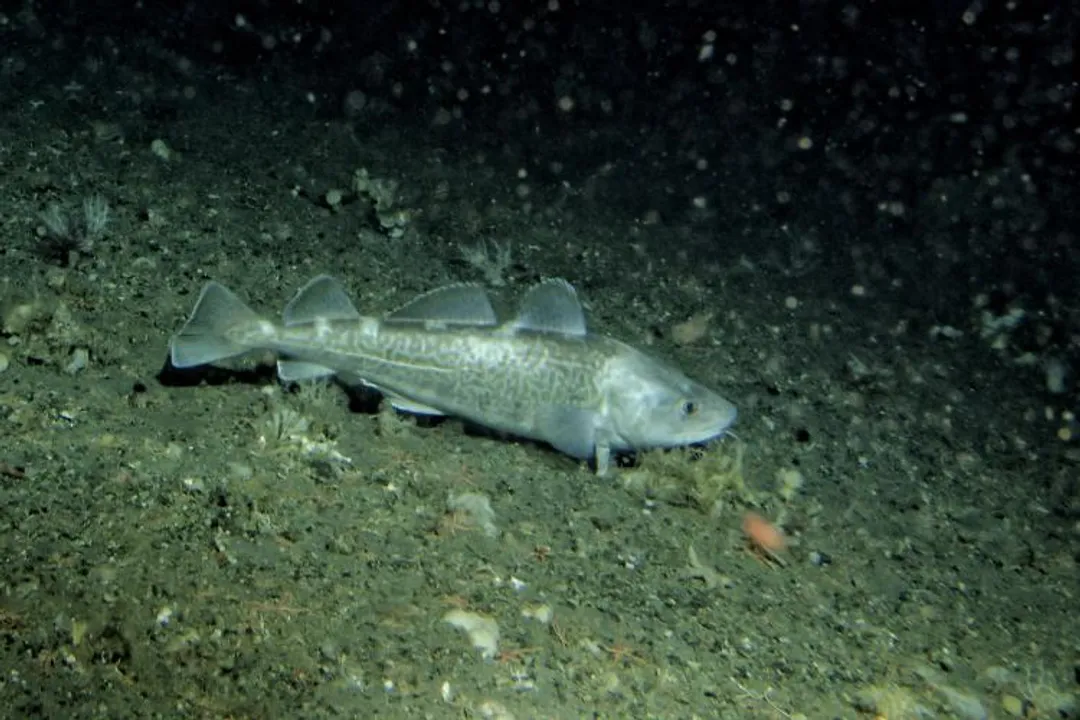
The quest for the definitive "best" cod fish immediately opens a debate that spans oceans, involves different species, and hinges heavily on what a diner values most: flaky texture, mild flavor, or ethical sourcing. Cod, a name often applied broadly, actually refers to several distinct species inhabiting cold, deep waters across the North Atlantic and North Pacific Oceans. [2][3] Understanding where the best catch comes from requires looking past just the country of origin and delving into the specific ocean basin and the health of that particular fish population. [1][5]
# Atlantic Versus Pacific
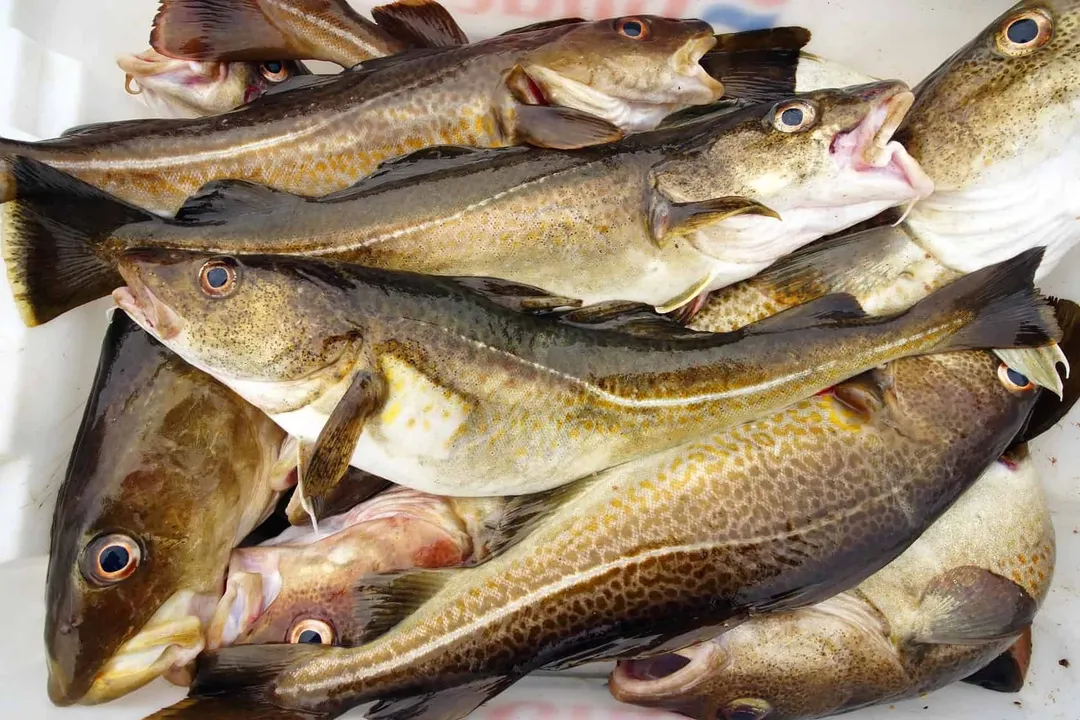
One of the primary distinctions when discussing premium cod is separating the Atlantic cod (Gadus morhua) from the Pacific cod (Gadus macrocephalus). [3] While both belong to the Gadus genus and share desirable culinary traits, they exhibit notable differences in habitat, appearance, and sometimes market price or availability. [3]
Atlantic cod, often considered the classic, traditional cod, historically supported massive fisheries in the North Atlantic, particularly around Iceland, Norway, the Barents Sea, and the Gulf of Maine. [1][5] This fish is generally known for its large size and relatively mild, sweet flavor when properly handled. [2] Its flesh is white and breaks into large flakes, a hallmark trait that contributes to its reputation. [2]
Pacific cod, found in the North Pacific from the Bering Sea to the Sea of Japan, also offers excellent eating quality. [3][7] While similar to its Atlantic cousin, Pacific cod tends to have a slightly firmer texture and a stronger, more distinct flavor profile, which some chefs and consumers prefer. [3] The NOAA Fisheries reports that Pacific cod spawn in the winter months, which can affect market availability and fat content at certain times of the year. [7] Geographically, the best Pacific cod often originates from the pristine, cold waters of Alaska. [9] The source of wild-caught cod, such as that landed near the Gulf of Alaska, is frequently championed for its quality due to the rigorous management and cold water environment. [9]
It is important to note that the name "cod" can be misleading. Several other commercially valuable fish are frequently marketed alongside true cod species. [6] For instance, the Black Cod (often sold as Sablefish) is not a true cod at all, though it is a highly prized, rich, oily white fish popular in fine dining due to its buttery texture. [8] Similarly, Lingcod is not a member of the Gadus family but a predatory bottom-dweller that offers a firmer, more steak-like texture compared to the delicate flakiness of true cod. [8] When seeking the "best," confirming that the label specifies Atlantic Cod or Pacific Cod is the first step away from potential substitution. [6]
# Flavor Profile Secrets
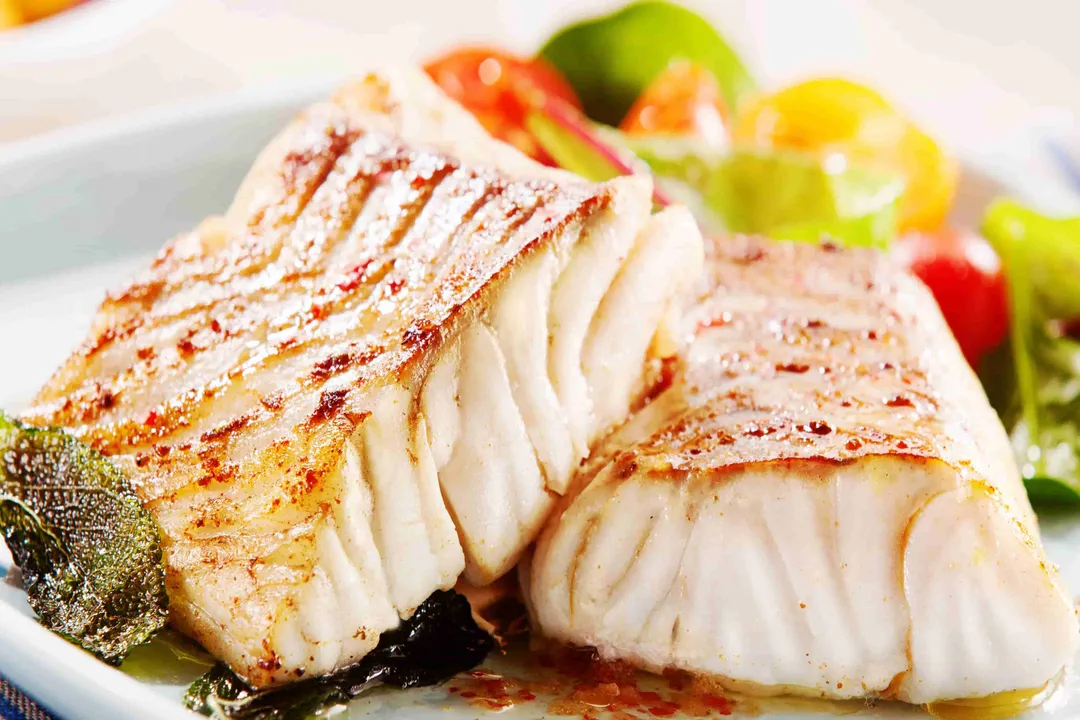
The reason cod holds such a high regard on the culinary scene stems from its inherent mildness and its structure. [4] Cod possesses a relatively low-fat content compared to fish like salmon or mackerel, which contributes to its pure, clean taste that readily absorbs seasonings without overpowering them. [2] This mildness is one reason why it is often considered the best tasting fish by those who prefer a subtle seafood flavor. [4]
The delicate, large flakes characteristic of cooked cod result from its muscle structure. The connective tissue between the flakes is quite weak, allowing it to separate easily upon cooking. [2] While the mildness is consistent across species, slight regional variations in diet and water temperature can impart subtle differences in flavor intensity—a factor often cited by food experts when comparing a Norwegian Atlantic cod to an Alaskan Pacific cod. [3]
To truly lock in that signature flavor, the handling immediately after the catch is as critical as the location. Freshly caught cod, properly gutted and immediately iced or frozen at sea, retains the ideal texture. [9] Many high-end suppliers focus on ensuring that the fish is handled swiftly using techniques like jigging or longlining, methods that minimize stress and damage to the flesh, compared to less selective netting methods. [9] This attention to post-catch logistics is an unwritten part of the "best" definition.
# Sustainable Harvest Zones
Where the fish comes from is inextricably linked to how it is caught, particularly in the current environmental climate. Consumers increasingly define "best" as sustainably sourced, which puts geography and fishery management practices center stage. [1]
The health of cod stocks varies dramatically by region. For example, the status of the Atlantic Cod fishery in the Gulf of Maine has historically faced significant challenges regarding overfishing, leading to strict catch limits and lower sustainability ratings in the past. [1][5] Conversely, certain stocks in the North Atlantic, such as those managed by Norway, often receive higher ratings due to proactive and scientifically guided management. [1]
When looking at Pacific Cod, the picture is generally more positive in certain areas. The Bering Sea and Gulf of Alaska fisheries are often cited as well-managed and healthy, frequently earning "Best Choice" or "Good Alternative" ratings from conservation groups, depending on the specific management area and gear used. [1][7] For example, a guide might rate Pacific cod caught by pot, trap, or hook-and-line in the Bering Sea as a top pick, while other methods might rate lower. [1]
A key takeaway when sourcing is to consult contemporary consumer guides, as stock health is dynamic. A region deemed poor one year might recover the next due to effective quota management. [1]
| Geographic Stock | Species | Typical Management Health | Sourcing Consideration |
|---|---|---|---|
| Gulf of Alaska | Pacific Cod | Generally high/stable | Often a "Best Choice" option [1][7] |
| Barents Sea | Atlantic Cod | Managed, recovering well | Check for specific regional certification [1] |
| North Sea | Atlantic Cod | Historically challenged | May receive lower sustainability ratings [1][5] |
For the conscientious buyer, understanding the difference between various management bodies is crucial. A fish caught in an area regulated by the European Union might have different oversight than one caught under the National Marine Fisheries Service in the US, which impacts the reliability of the sustainability claim. [1]
# Actionable Sourcing Insights
Deciding where the best cod comes from involves synthesizing these factors. If flaky texture and mildness are paramount, focus on Atlantic Cod (Gadus morhua) from well-managed European stocks, or high-quality Pacific Cod (Gadus macrocephalus) from the Gulf of Alaska. [3][9] If a slightly firmer fish with a more pronounced flavor is desired, Pacific Cod remains an excellent, often more readily available, option. [3]
The practical application of this knowledge lies in reading the label or asking the fishmonger the right questions. Instead of just asking "Is this cod good?", an informed customer might inquire: "Is this Atlantic or Pacific cod, and can you tell me which fishery it was sourced from and what method was used?". [1][9] If the vendor confirms the fish was caught via hook-and-line or pot/trap in an area designated as a "Best Choice" by recognized seafood sustainability programs, you are likely holding a top-tier product that satisfies both culinary and ethical criteria. [1] Simply defaulting to the cheapest, unlabeled option sourced from a general "North Atlantic" region carries the highest risk of both poor quality and questionable ecological impact. [5]
# Distinguishing True Cod from Look-Alikes
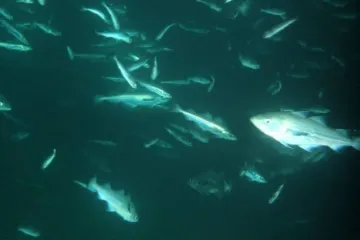
To ensure the "best" experience, avoiding mislabeling is essential, as detailed earlier with Black Cod and Lingcod. [6][8] While Black Cod (Sablefish) offers a fantastic eating experience due to its high oil content, it is fundamentally richer and more savory than traditional cod. [8] If the goal is the classic, lean, flaky white fish, Black Cod is a delicious but different fish entirely. [8] Lingcod, being a member of the greenling family, presents a much denser texture that cooks more like a steak, which might be excellent for grilling but fails to meet the standard for delicate flakiness sought in a traditional cod fillet. [6][8]
In summary, the best cod fish doesn't come from a single dock or country. It comes from a well-managed stock—whether Atlantic or Pacific—where the fish have grown in cold, clean waters, and where the harvesting method ensures the flesh is minimally damaged immediately after being landed. [1][9] The ultimate verdict rests on pairing the right species for your preference with the most responsible fishing practices available in the marketplace today. [2][5]
Related Questions
#Citations
Sustainable cod and haddock guide - Seafood Watch
Cod | Our Complete Guide - The Fish Society
Know your cod: Atlantic versus Pacific - Pittman Seafoods
Why is cod considered the best tasting fish in the oceans? - Quora
Cod fisheries - Wikipedia
6 Common Types Of Cod You'll Find At The Store - Southern Living
Pacific Cod | NOAA Fisheries
Black Cod vs. Lingcod vs. Pacific Cod: What's the Catch?
Landing the Best Wild-Caught Cod - Culver's