Walleye Fish Diet
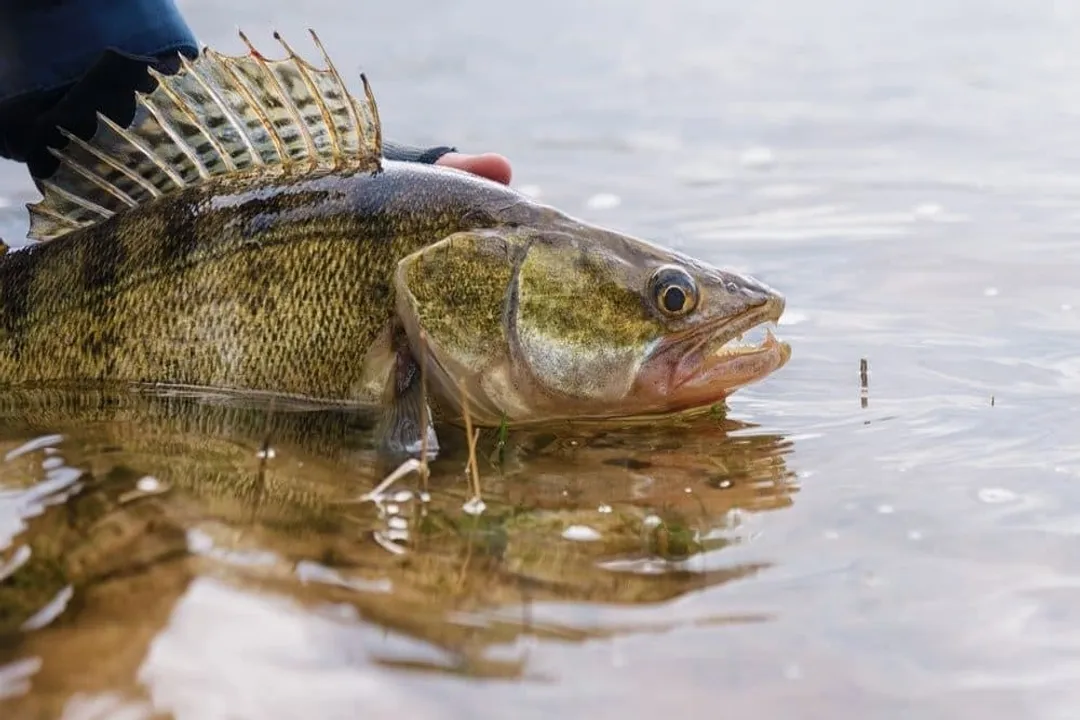
The walleye, sometimes called pickerel in certain regions, occupies an important niche in North American freshwater ecosystems, making its diet a critical aspect for both ecologists and anglers to understand. What these highly regarded sport fish consume changes significantly throughout their lives, dictated by size, seasonal availability, and the clarity of their surroundings. Understanding this dietary progression is the key to anticipating their behavior and location at any given time of year.
# Early Life
The journey begins with the very smallest organisms available. Newly hatched walleye fry sustain themselves initially on zooplankton, the microscopic creatures drifting in the water column. This early diet is crucial; the success rate of survival during these initial weeks is heavily dependent on the density and availability of this tiny, floating food source. As the fry grow slightly larger, they transition their feeding strategy to larger invertebrates and smaller aquatic insects that can be managed by their developing mouths. This early reliance on organisms that live in the water column, rather than near the bottom or surface, dictates where the youngest walleye will congregate during their first short stint of life.
# Size Matters
A clear division exists in the walleye diet based on its length. Once they reach a certain size, typically around three to five inches, the primary focus shifts dramatically from invertebrates to other fish. This switch signals their entry into the piscivorous (fish-eating) stage, a hallmark of the species. Small walleye might feed on tiny minnows, larval fish, or smaller forage species they encounter in shallower water or weed edges.
For the truly large adult walleye, the diet solidifies around larger prey. They become active predators targeting species that offer a substantial caloric return for the energy expended in the hunt. In many lakes, this means a heavy reliance on baitfish like shiners, shad, perch fry, or ciscoes, depending on the specific body of water. Considering the energy dynamics, a six-pound walleye needs to consume far fewer small insect larvae than a one-pounder to maintain its mass, which is why they target larger, energy-dense meals. If one were to track the top-end predators in a particular system, they would often find the largest walleye are targeting whatever species is currently most abundant and easiest to catch among the medium-sized forage base.
# Prey Spectrum
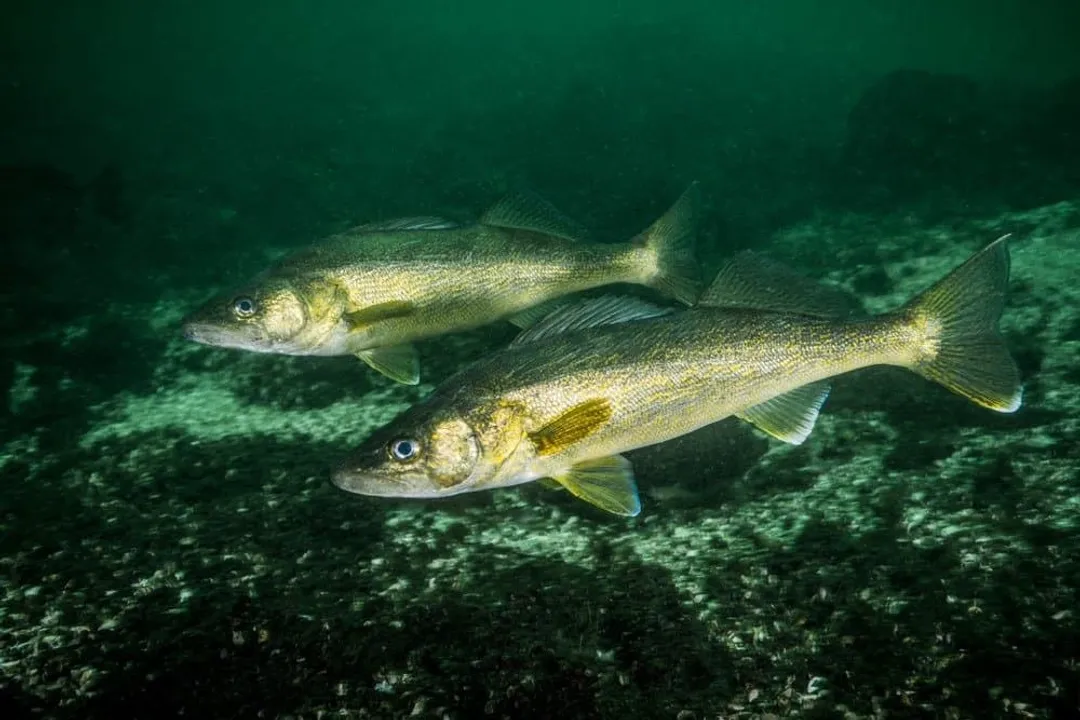
While minnows are a staple, the walleye's menu is surprisingly broad, reflecting opportunistic feeding habits. Researchers and seasoned anglers have documented a wide range of items pulled from their stomachs. Beyond small fish, a significant part of the diet often includes freshwater shrimp or amphipods, particularly in colder, clearer water systems. Crayfish also feature heavily in the diet of bottom-dwelling or cooler-water walleye, offering a high-protein meal. In certain environments, such as shallower, turbid areas, leeches or even aquatic insects like mayfly nymphs can still make up a noticeable percentage of the intake, especially if larger prey is scarce.
It is instructive to compare this diet to that of other apex predators in the same habitat. Where a northern pike might readily consume larger, slower-moving prey, the walleye often exhibits a preference for schooling, more agile baitfish, relying on its sharp eyesight and ability to hunt in low light. This contrast in feeding preference helps partition resources between the major predatory species in a shared lake.
# Habitat and Timing
The walleye's feeding habits are inextricably linked to light levels and water temperature, often leading them to different depths and structures throughout the day. They possess a highly sensitive, tapetum lucidum layer behind their retina, which gives them a competitive advantage in dim conditions, allowing them to hunt effectively when many other species struggle to see. This explains the classic angler observation that walleye are often most active during low-light periods—dawn, dusk, and overnight.
During the day, especially in bright summer conditions, walleye tend to retreat to deeper water, darker cover, or beneath thick clouds, effectively shading themselves to maintain their visual edge while feeding. Conversely, in heavily stained or turbid water, where light penetration is naturally low, walleye may feed aggressively throughout the day, as their primary advantage is less pronounced.
When considering the diet, it's worth noting the seasonal shift. In early spring, as water temperatures begin to rise slightly but haven't hit summer peaks, walleye often move into shallower flats to target newly spawned, vulnerable fish eggs or small schooling baitfish moving into those areas. Conversely, late fall often sees them return to these same shallower areas to gorge on fat reserves before winter sets in, targeting the largest available forage before they become lethargic.
Here is a summary of general feeding activity based on typical environmental factors observed by anglers:
| Condition | Typical Depth/Location | Primary Feeding Behavior |
|---|---|---|
| Bright Midday | Deep water, heavy structure, or under cloud cover | Reduced activity, opportunistic feeding |
| Dawn/Dusk | Transition zones, shallow edges, weed lines | High activity, active pursuit of schools |
| Cold Water (Spring/Fall) | Flats, shorelines | Targeting newly arriving or fattening forage |
| Murky Water | Throughout the water column | Less light dependent, potentially all-day feeding |
# Angler Insight and Forage Selection
For the person holding the rod, understanding the diet translates directly into technique. If the primary forage is small, deep-dwelling smelt, a vertical jigging or slow trolling approach with small spoons or blade baits might be effective. If the local population is dominated by larger, slower-moving yellow perch, anglers might switch to larger crankbaits or stick baits designed to imitate that specific profile. A genuine piece of field experience suggests that when water temperatures are stable in the mid-50s Fahrenheit, many anglers focus heavily on imitating schools of emerging insects or small invertebrates, as this represents an easy, low-energy meal for mid-sized fish that are preparing for a major growth spurt. This contrasts sharply with late summer fishing when larger profiles are needed to satisfy the higher metabolic demands of fish preparing for cooler weather.
Furthermore, considering the taste profiles anglers report, one can infer fat content. Foods like shad or perch are often associated with richer, oilier meat in the final product, suggesting a higher fat content in their natural diet compared to leaner prey like certain shiners. While the angler seeks the catch, the fish seeks the highest caloric efficiency, which often means fatty prey during feeding binges. Recognizing this link between the prey's fat content and the walleye's preference helps refine presentation; presenting a high-fat profile lure when the fish are actively feeding for storage is a productive tactic.
# Water Clarity's Influence
The clarity of the water profoundly impacts what a walleye eats versus how it eats. In crystal-clear alpine lakes, walleye rely heavily on their vision and may feed closer to the bottom or structure where visual contrast is maximized, favoring bottom-dwelling prey like crayfish or sculpins. In stark contrast, in turbid rivers or stained reservoirs, walleye often suspend higher in the water column, feeding on whatever moves past them in the middle layers, preferring pelagic baitfish or organisms that swim actively in the open water. This difference in visual feeding strategy means that an angler using the same lure in two different lakes—one clear, one stained—might need to change the depth and action significantly to match the prevailing diet and visibility conditions. In the clearer environments, the walleye must be more selective, whereas in stained water, they are often more willing to strike anything that interrupts their limited visual field. This difference in feeding style is a key separator between highly successful walleye fishermen who adapt to local conditions and those who follow a single, generalized approach.
Related Questions
#Citations
What Do Walleye Eat? Their 5+ Favorite Foods - A-Z Animals
Walleye Eating Habits - Coe Vanna Charters, LLC
Walleye | National Wildlife Federation
Eating walleye healthily? : r/WalleyeFishing - Reddit
Fish Species - Walleye - Iowa DNR
Walleye Feeding Habits | Ohio Game Fishing
What do you generally find in walleye stomachs?
[PDF] Walleye - RAINBOW TROUT - Wisconsin DNR
walleye food - Outdoor Re-Creation HotSpot Communities