Why are sheepshead called convict fish?
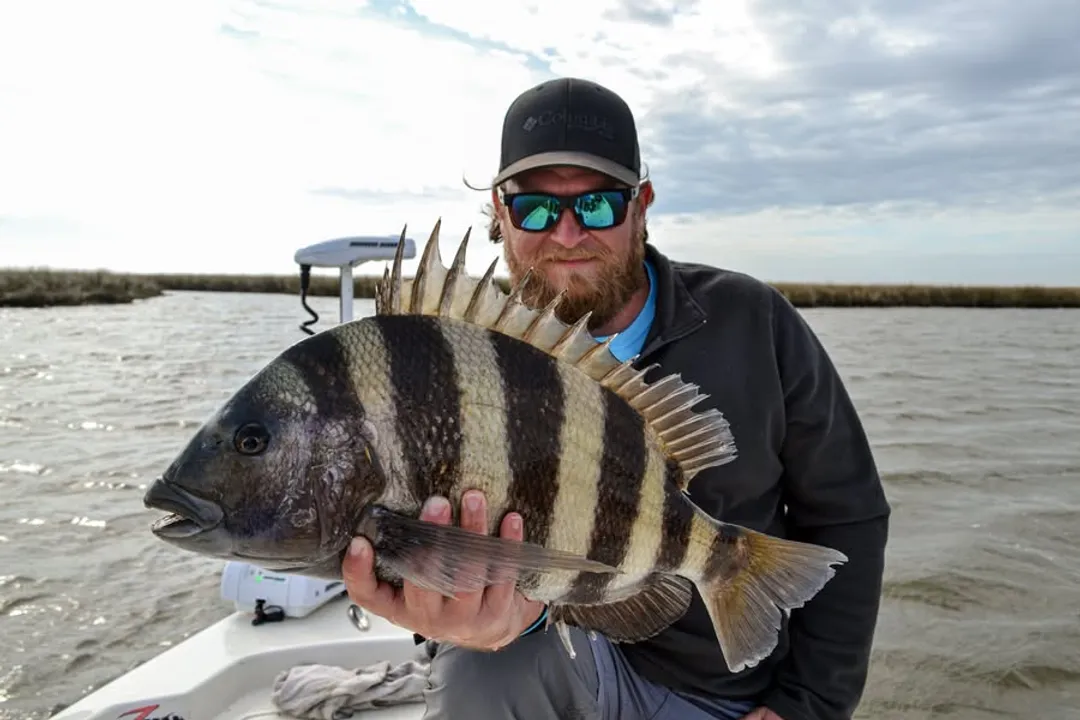
The creature known as the sheepshead (Archosargus probatocephalus) carries a colorful moniker that often causes surprise among those unfamiliar with its habits and appearance: the convict fish. This nickname doesn't come from any actual misdeeds, but rather from a combination of its striking visual markings and its particularly frustrating behavior on the end of a fishing line. While anglers might curse them for their dexterity, the fish themselves are simply surviving according to their unique evolutionary design, making them one of the more challenging nearshore species to successfully land.
# Striped Appearance

One of the most immediate reasons the sheepshead earns the "convict" label lies in its distinctive pattern. This silvery-gray fish is characterized by several thick, vertical black bars or stripes running down its flanks. These dark bands, contrasting sharply with the lighter body color, create an appearance readily compared to the striped uniforms historically associated with prisoners. This visual similarity is often the first thing people notice when observing a freshly caught specimen, establishing the nickname before the fish even has a chance to demonstrate its trickery.
# Expert Theft

However, the visual cues are only half the story. The behavior of the sheepshead in the water truly solidifies its reputation as the aquatic felon of the reef and pier. Anglers frequently report that sheepshead are masters of bait removal without ever triggering the hook set necessary to secure them. They possess an uncanny knack for nipping or picking delicate bait right off the hook point. This proficiency in larceny—stealing the intended prize without paying the price of capture—is why they are often cited as convict fish due to their ability to constantly get away with the loot. The frustration is universal among those who target them near pilings or oyster beds.

# Specialized Jaws
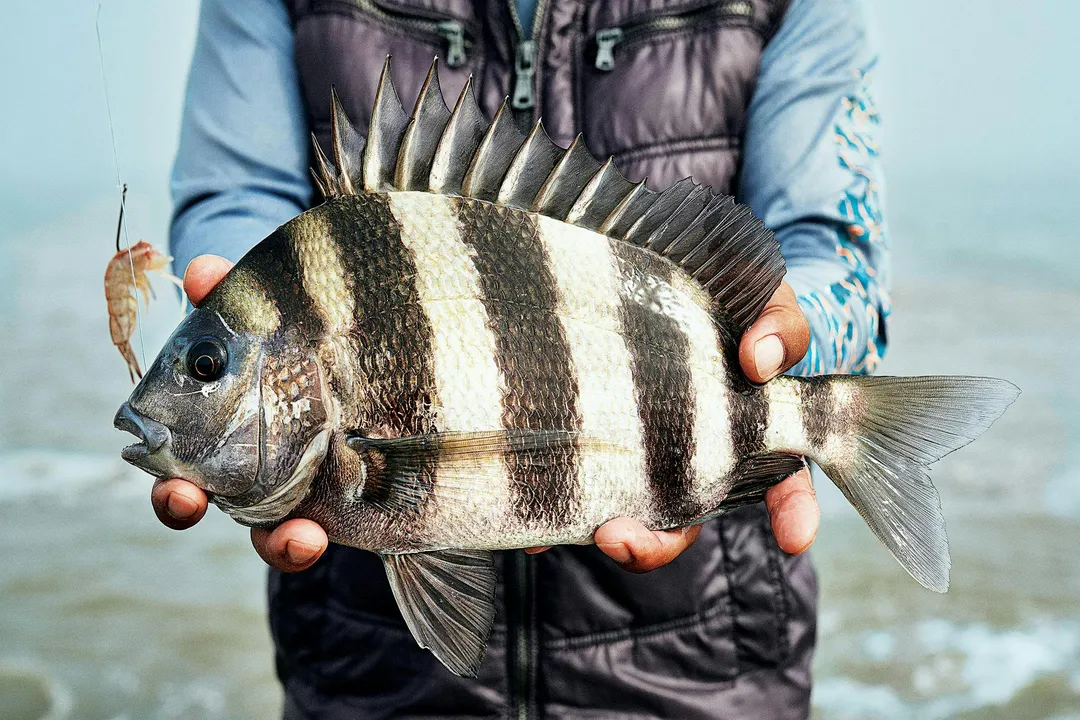
Understanding how they are so effective at this theft—and indeed, how they survive in their natural environment—requires a look at their highly specialized mouth structure. Unlike many predatory fish that rely on tearing or engulfing prey whole, the sheepshead has teeth that are remarkably similar to human dentition. They possess prominent, incisor-like teeth toward the front of their mouth, ideal for snipping or scraping, followed by strong, blunt molars toward the back.
These powerful back teeth are not optimized for soft cut bait, but for crushing the hard exoskeletons and shells of their preferred natural diet, which includes barnacles, mussels, oysters, and small crabs. This specialized anatomy gives them the mechanical advantage to break open prey that most other fish cannot access. When presented with a soft piece of shrimp or a fiddler crab claw intended for a tautog or flounder, the sheepshead often uses this crushing power selectively or simply relies on the dexterity of its front teeth to clean the hook while keeping its body far enough away from the hook point to avoid detection.
An interesting observation emerges when contrasting their natural feeding strategy with their angling nuisance: a fish whose teeth are primarily engineered for heavy-duty crushing is demonstrating surprising finesse when picking a hook clean. This suggests a highly developed sense of touch or spatial awareness around the hook shank, allowing them to manipulate the bait precisely enough to feed without setting the barb. It’s an incredible evolutionary mismatch of tool and target when they are focused solely on pilfering the angler's offering.
# Delicious Verdict
Despite the playful accusations of criminal activity implied by the nickname, the sheepshead is decidedly not guilty in the kitchen. In fact, their reputation flips entirely once they are brought ashore. They are widely considered one of the best-eating saltwater fish found along the Atlantic and Gulf coasts. Their flesh is firm, white, and mild-flavored, making them a highly sought-after catch for those willing to put in the effort to overcome their tricky nature. The irony remains that the "convict fish" is universally pardoned upon tasting.

# Coastal Dwellers
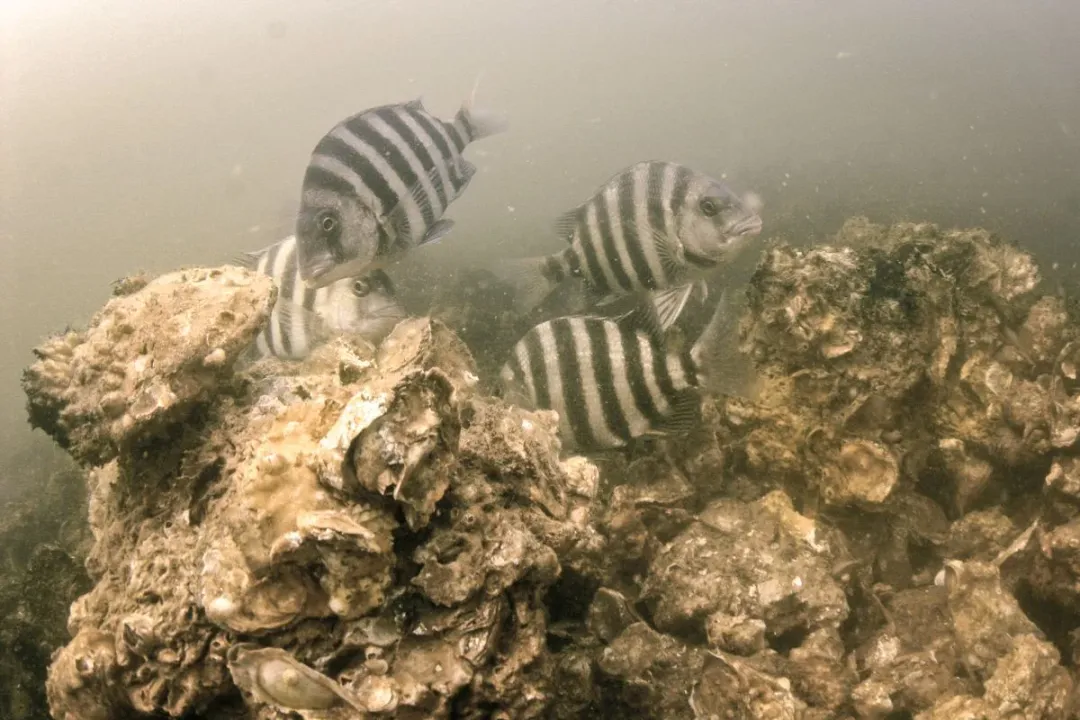
The environments where these fish thrive contribute to their notoriety. Sheepshead are most commonly found in nearshore, brackish, and estuarine waters, favoring areas with substantial underwater structure. This often means they hang around jetties, bridge pilings, navigational buoys, and oyster reefs. These structures provide the ideal habitat for the barnacles and crustaceans that form the bulk of their diet. For the angler, this means the battle often takes place in tight quarters, making the act of retrieving a fish—especially one known for its sharp, quick movements—even more difficult once hooked.
When targeting them, anglers often have to change their typical approach. Given that many inshore species rely on a strong, sudden strike to indicate a bite, the sheepshead requires patience. Because they are notorious for meticulously inspecting and removing bait, successful anglers must often wait for the slight, almost tentative tug that indicates the fish is working the bait against the hook, rather than a hard pull. This demands a different style of engagement compared to fishing for faster-striking species like bluefish or flounder. The angler must be prepared to adapt their technique specifically for this wily, striped adversary dwelling near the bottom structure.
# Identity Roots
While the stripes and the bait-stealing are the primary drivers for the "convict" title, the base name, sheepshead, also relates to their anatomy. It comes from the similarity of the fish’s mouth and lips to that of a sheep. Combined with the "convict" label, you have a fish that looks vaguely like a sheep but dresses like a prisoner and acts like a pickpocket. The scientific name, Archosargus probatocephalus, translates roughly to "principal sea fish with a human-like head", which further underscores how distinctive the head and mouth structure is within the broader fish population. The combination of these distinct characteristics—the head shape, the stripes, and the behavior—makes the sheepshead a unique fixture in North American coastal waters, perpetually straddling the line between nuisance thief and culinary delight.
Related Questions
#Citations
Archosargus probatocephalus - Wikipedia
Sheepshead, also known as convict fish because of their ability to ...
Don't judge as convict, sheepshead only criminally delicious
Learn About the Sheepshead – Fishing | Guidesly
Why Do Sheepshead Fish Have 'Human' Teeth? | HowStuffWorks
When It Comes to Gulf Fish, Don't Fear the Sheeper - Texas Monthly
Sheepshead fish: Facts about the fish with 'human' teeth | Live Science
Chasing Convicts: Sheepish In South Jersey - The Fisherman
Sheepshead - Reef Smart Guides