What niche did key evolutionary innovations in the *Sander* lineage enable walleye to exploit?
Answer
Low-light, cooler environments
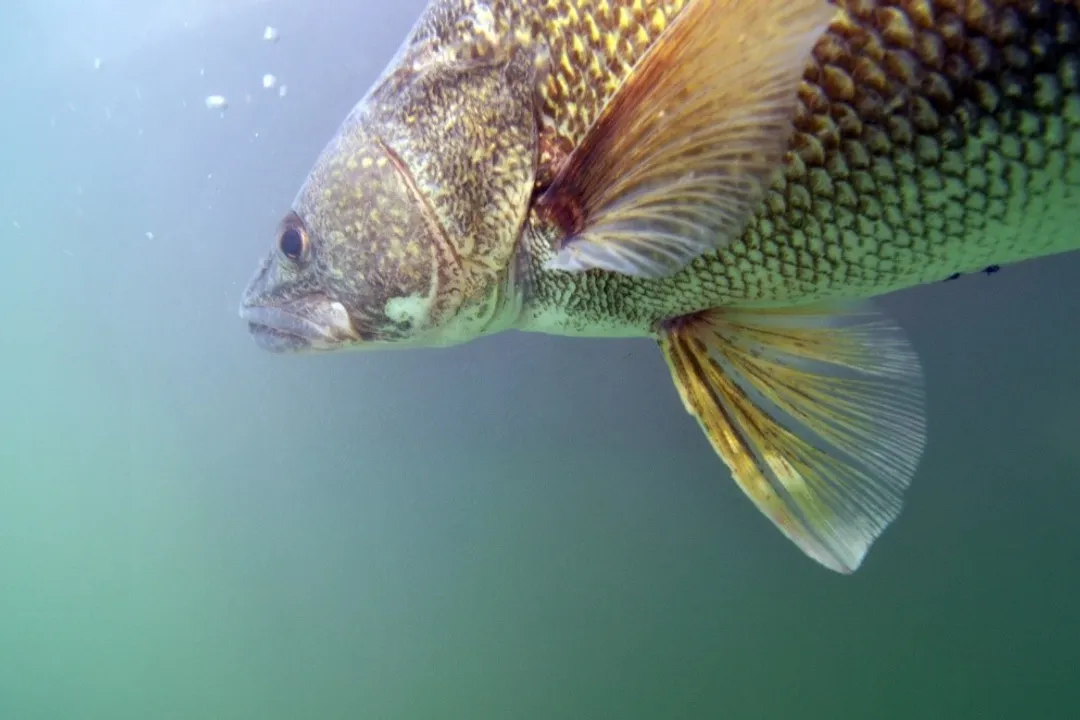
The evolutionary success of the *Sander* lineage, particularly the walleye, is tied to specialized adaptations that allowed it to exploit niches unavailable to competitors reliant on different conditions. Key evolutionary innovations likely centered on improving efficiency within low-light and cooler water settings. This specialization, evidenced by their visual acuity, enabled them to dominate environments where sun-dependent or warm-water adapted species could not thrive effectively. This combination of low-light hunting prowess and adaptability to large lake environments solidified their role as a dominant apex predator in the northern areas of the continent.
Related Questions
To which genus does the walleye (*Sander vitreus*) belong alongside the sauger?What specialized trait allows walleye to hunt effectively in low light?What major geological events caused initial separation of distinct walleye genetic groups?What water characteristics does the Federal government screening process suggest walleye generally prefer?What concept describes how larval conditions influence adult walleye size and maturity decades later?Which growth strategy is favored where predation risk is high for young walleye?What physiological tolerances fundamentally restrict the walleye’s colonization potential?What two drainage systems define the northernmost and southernmost limits of the walleye's native range?What type of selection favors earlier maturity at a smaller size due to heavy fishing?What niche did key evolutionary innovations in the *Sander* lineage enable walleye to exploit?