Walleye Fish Locations
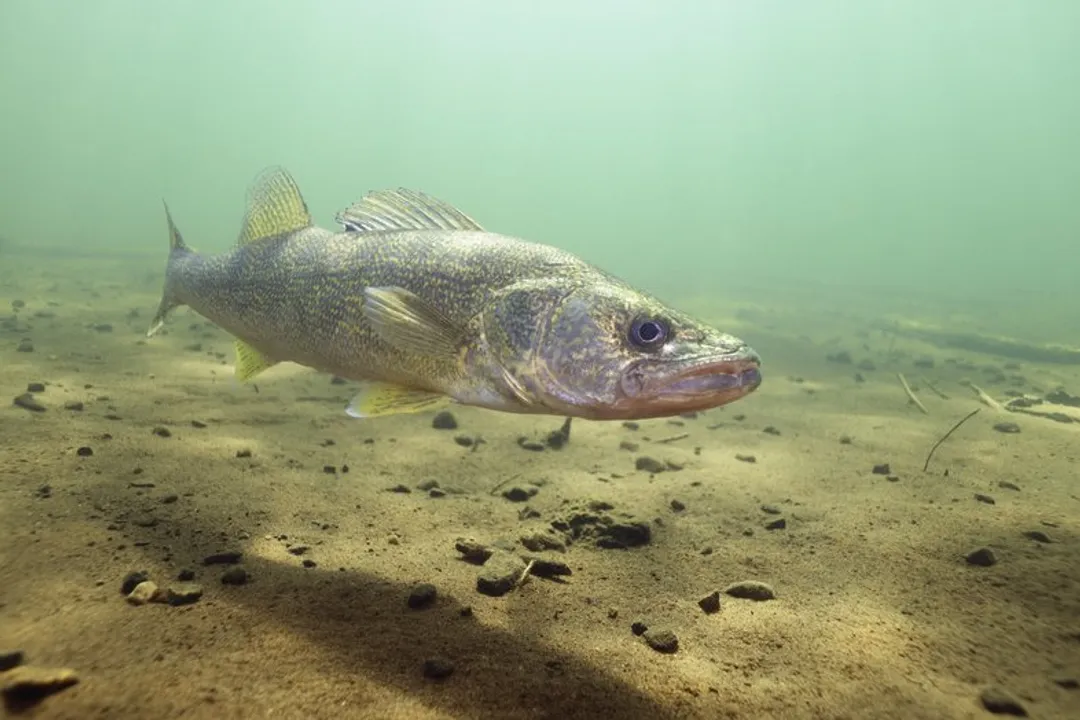
The quest for the walleye is often characterized by a dedicated pursuit of specific conditions, yet pinpointing where these prized fish position themselves can feel like chasing a phantom across vast expanses of water. Anglers who master the art of locating these keen-eyed predators find their success rates climb dramatically, regardless of whether they are fishing familiar waters or casting into a brand-new lake for the very first time. The underlying theme in successful walleye hunting revolves around understanding habitat preferences, interpreting subtle environmental cues, and knowing precisely when and where the forage base is congregating.
# Texas Pockets
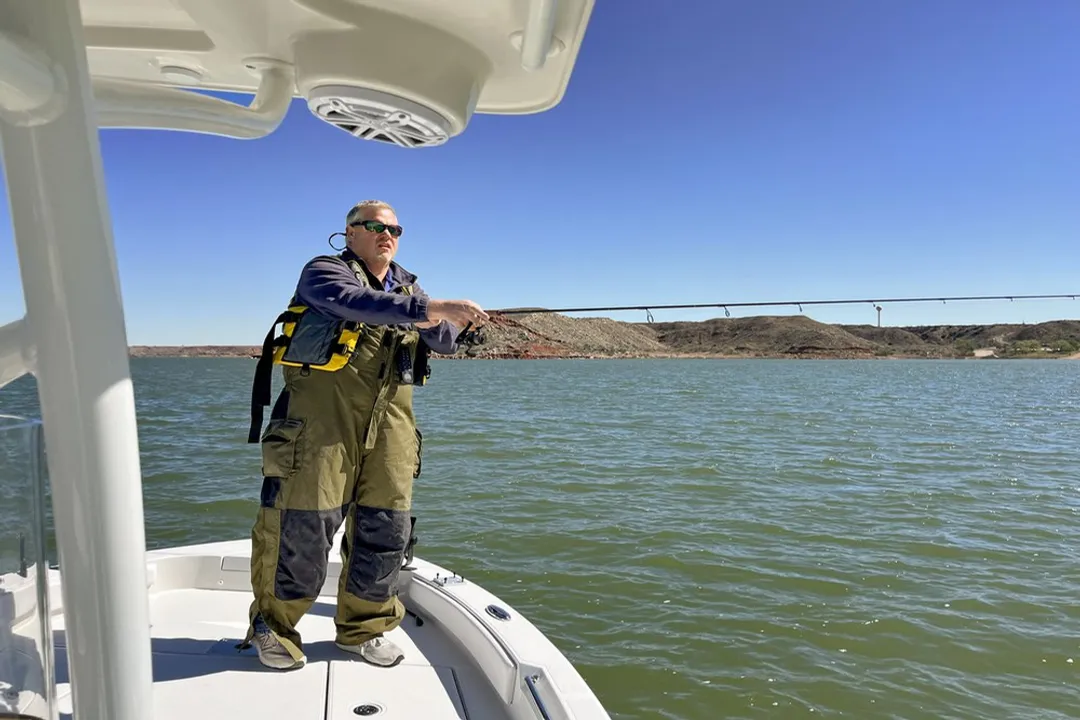
While walleye are native to the central part of North America, extending southward to states like Arkansas, Mississippi, and Alabama, their widespread success across the entire United States is largely due to stocking efforts. However, in many southern areas, high summer water temperatures prove too restrictive for sustained growth and survival. This makes the instances where they truly thrive especially noteworthy. In Texas, for example, the fishery centers heavily around one particular northern reservoir: Lake Meredith.
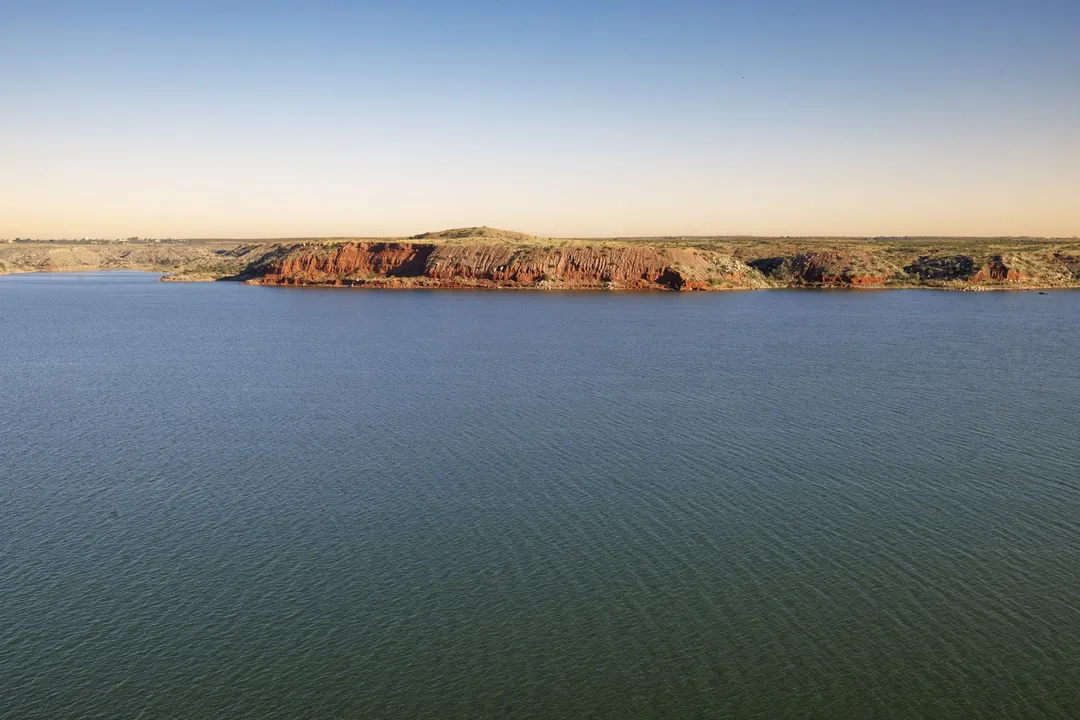
Lake Meredith, situated near Fritch, is often called the "crown jewel" of Texas walleye fishing because the water temperatures there remain cold enough throughout the winter months to allow the species to successfully spawn and maintain a relatively self-sustaining population. The Texas Parks and Wildlife Department (TPWD) actively supports this unique fishery, often receiving walleye eggs or fry from Colorado in exchange for hybrid striped bass. Anglers visiting Meredith should note that while walleye can be caught year-round, the peak season generally occurs between April and June, when over 90 percent of the harvested fish are landed. The state record from this lake, an impressive $11.88$ pounds, was taken in $1990$. Finding success here requires targeting the lake's dominant features: steep, rocky banks, isolated timber, and natural rock ledges or piles. Interestingly, this dedicated effort to maintain walleye in Meredith is a deliberate move by TPWD to offer an alternative fishery in a state where the focus is predominantly on bass, catfish, and crappie. This contrast between the general Texas climate that restricts walleye and the specific, cooler environment of Lake Meredith that supports them illustrates how critical local thermal profiles are to establishing this species.
# Structure Fundamentals
Beyond specific regional hotspots, successful walleye location hinges on identifying core structural elements common across most fisheries. Walleye are inherently tied to structure that offers access to food and protection.
Key structural elements include:
- Points and Bars: Rocky points and sand bars frequently hold fish because they serve as natural travel corridors for walleye moving between deep resting areas and shallower feeding zones.
- Humps: Sunken islands or elevated areas are classic walleye targets. While some anglers treat humps as prime summer/fall locations, others find they can be boom-or-bust, acting as temporary feeding stops rather than year-round residences.
- Reefs and Islands: These formations, especially the mid-depth portions exposed to wave action, can concentrate activity.
A concept frequently cited by experts is the importance of hard bottom extensions jutting out into softer basins. Even a subtle, shallow extension into deep mud can become an exceptionally productive "super spot" because the hard bottom contrasts with the surrounding soft substrate, offering a universally appealing feature for predators across different seasons.
# Cover Edges
While broad structure provides the highways, the immediate cover dictates where the fish will often stage to ambush prey. Healthy vegetation, whether it be weeds, dense brush, or submerged timber in reservoirs, draws in minnows and perch, and subsequently, the walleye seeking that forage. Productive vegetation zones are not always obvious; sometimes, the best fishing lies along the outside edge of large weed flats, or within isolated clumps.
The boundary where two different types of cover or bottom composition meet is often where the highest percentage of fish are found. Anglers should look for:
- Rock or weed edges meeting sand or mud.
- Sharp transition lines between soft and hard bottoms.
These interfaces provide staging areas where fish can either get out of the current or use the cover to ambush bait moving between different zones. If you encounter stubborn fish, sometimes the issue isn't the location, but the density of the cover; in thick vegetation, a snag-free presentation is necessary to work the spot thoroughly, as walleye might be deep within the growth.
# Seasonal Drive
Walleye behavior shifts significantly throughout the year, driven by spawning cycles and water temperature changes, making the "where" highly dynamic.
In the spring, walleye are early spawners, typically moving upstream into tributaries or relating to shallow riffles, reefs, or rip-rap once water temperatures hit . They are generally most active at night during this period.
The fall presents a different scenario. As waters cool from summer highs, walleye become much more aggressive because every calorie counts as they prepare for winter. Baitfish also concentrate in warmer pockets, which fires up predators. In the fall, look for areas offering a sharp transition from deep to shallow water, as baitfish use this to quickly access comfortable temperatures. This is the time they will readily stack up along windy shorelines to ambush prey stunned by the waves.
It is essential, however, to avoid getting too rigid in seasonal expectations. Experts caution that fish do not adhere to human calendars; they move based on food and immediate conditions. A fish that seems "supposed to be" deep in October might be shallow in $2$ feet of water if that spot provides a feeding opportunity, and vice versa. The critical takeaway is that good spots remain good spots; the challenge is identifying when the majority of the population utilizes that specific structure.
# Technology Insights
Modern electronics have refined the process of locating these key spots, moving beyond simple overhead views to visualize what is happening below the surface. Mapping layers like LakeMaster allow pre-trip homework by identifying contours and potential structure. However, the real advantage comes from real-time tools that visualize bottom composition.
When using side imaging or related sonar, transitions from soft bottom (which appears dark) to hard bottom (which appears bright due to a strong return) become immediately obvious. This allows an angler to quickly confirm the presence of hard-bottom extensions or gravelly areas that might be invisible on older mapping systems.
A powerful approach synthesized from modern guidance involves pairing these structural preferences with environmental factors. Since wind concentrates baitfish along wave-swept areas, and hard structure attracts fish regardless of season, a highly efficient method is to use sonar to identify all potential hard-bottom protrusions—points, humps, or rock veins—and then prioritize scouting the specific edges of those structures that are facing the prevailing wind. This focus cuts down on time spent scanning areas that are protected from the wind and thus less likely to hold actively feeding walleye in that moment. If the wind is pushing baitfish against a rocky point, you need to examine the windward side of that point first, using your electronics to confirm the hard bottom transition right where the waves are breaking or just below the chop line. This level of focused investigation, leveraging technology to confirm habitat preference under current conditions, turns guesswork into calculated searching. Furthermore, once a depth range is confirmed holding fish, mapping tools with depth-highlight features can instantly reveal all similar contours across the entire lake, providing a checklist of high-probability locations to investigate next.
# Wind and Light Variables
Regardless of the structure or cover, the amount of light penetrating the water and the movement on the surface dictate when walleye move to feed and how shallow they might venture. Walleye are often characterized as nocturnal, with peak activity occurring during low-light periods.
Overcast Days and Waves: Cloudy skies diffuse light, making the fish more comfortable venturing out during midday. Similarly, wave action, often termed "walleye chop," breaks up the surface glare, encouraging feeding. Fish will stack up on the wave-hit side of structure, shorelines, or weed beds, preying on disoriented forage. If you are fishing tannic or stained reservoirs, wind-blown points where current is moving are prime ambush zones, often mirroring how trout behave.
Clear Water Nuances: In very clear lakes, the low-light periods (dawn and dusk) are critical for shallow feeding. If conditions become calm and sunny, walleye retreat to deeper structure or hold tightly in the shade beneath vegetation.
It is worth noting that water temperature remains an overarching driver, particularly at the start and end of the season. A slight warming of the water later in the morning after a cold night can trigger a feeding frenzy, sometimes making an start more productive than the early dawn period when water temperatures are at their daily low. By paying close attention to these variables—water clarity, wind direction, and temperature fluctuations—anglers move past simply knowing where walleye live, toward understanding why they are there right now.
#Videos
The BEST Walleye Spot on Every Lake (Very High % Location)
How to Find Walleyes in ANY Lake at ANY Time of Year (5 Easy ...
Related Questions
#Citations
Walleye (Sander vitreus) - Texas Parks and Wildlife
The BEST Walleye Spot on Every Lake (Very High % Location)
There's Walleye in Texas? Yep. - Texas Parks & Wildlife Magazine
Finding Walleyes - In-Fisherman
How to Find and Catch Aggressive Fall Walleye - Wired2Fish
Walleye Fishing Tips: How to Find & Catch Big 'Eyes | Bass Pro Shops
Where and How to Find Walleye: Fish Finder Tips - Humminbird