What kind of fish do Amazon River dolphins eat?

The Amazon River dolphin, often called the boto or pink river dolphin, is an inhabitant of one of the world's most complex aquatic environments, and understanding its menu reveals much about its survival strategies. The primary components of its diet are overwhelmingly aquatic life, centered on various species of fish, though its meals are supplemented by crustaceans and other small creatures found in the murky waters of the Amazon and its tributaries. [1][2][3] This specialization in a freshwater environment, as opposed to the saltwater domain of their oceanic relatives, means their foraging targets are distinctly different from those of bottlenose dolphins, for instance. [3]
# Prey Diversity
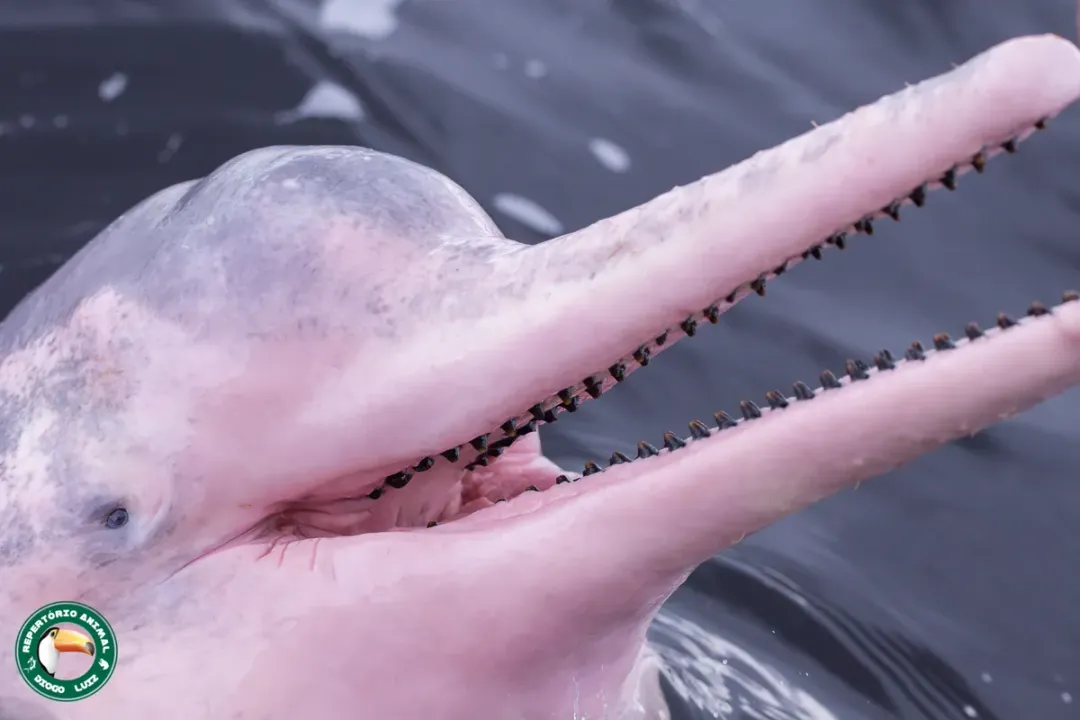
The sheer variety of items found in the Amazon River dolphin's diet suggests they are highly opportunistic feeders rather than specialists targeting a single type of prey. [2][6] Researchers estimate that their menu encompasses more than fifty different species of fish. [1][3] This adaptability is key to thriving in a system as variable as the Amazon basin, where food sources can shift dramatically with the annual rise and fall of the water levels.
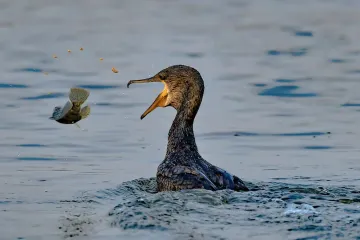
When examining the common names of their usual catch, the list includes several familiar Amazonian residents. Catfish are a staple, [1][9] perhaps due to their abundance along the river bottom where dolphins might forage. Other frequent items are characins, a large family of fish that includes piranhas and tetras. [1][9] The dolphins also consume croaker species and perch. [1][9] Crucially, one of the more notorious inhabitants of the region, the piranha, is also part of their normal intake. [1][9]
Beyond fish, the dolphins rely on other protein sources to round out their nutrition. They are known to eat crabs and large shrimp. [1][2][3][6][9] While fish form the bulk of their energy intake, the ability to successfully catch these shelled and swimming invertebrates showcases their versatility in foraging techniques, using their sensitive beaks to locate hidden prey in the sediment or among submerged vegetation.
# Confirmed Species

For those interested in the precise biological details, dietary studies conducted through stomach content analysis have provided concrete evidence of specific prey species consumed by Inia geoffrensis, the scientific name for the Amazon River dolphin. [4] These analyses move beyond general categories to name the exact inhabitants of the river that end up on the dolphin’s plate.
One documented stomach content analysis revealed a snapshot of a dolphin's recent meals, which included several species identified by their scientific nomenclature. [4] Among these confirmed prey items were:
- Serrasalmus rhombeus and Serrasalmus altus, both species of piranha. [4]
- Cichla monoculus, commonly known as the Peacock Bass, a significant and often larger fish. [4]
- Phractocephalus hemioliopterus, the imposing Redtail Catfish, confirming that even larger bottom-dwellers are taken. [4]
- Other species noted were Pimelodella gracilis and Triportheus signatus. [4]
This scientific confirmation strongly supports the general lists provided by other observational reports, underscoring that the dolphins are not shy about targeting fish that possess sharp teeth or require significant maneuverability to capture, such as the Peacock Bass. [4]
| Prey Category | Common Examples Mentioned | Scientific Confirmation (If applicable) | Dietary Role |
|---|---|---|---|
| Fish | Catfish, Characins, Croaker, Perch, Piranha | Serrasalmus spp., Cichla monoculus, Phractocephalus hemioliopterus | Primary Food Source [1][3][4][9] |
| Crustaceans | Crabs | None confirmed | Supplemental Source [2][3] |
| Invertebrates | Large Shrimp | None confirmed | Supplemental Source [1][2] |
An interesting implication of such a wide-ranging diet, especially one that includes both fast-moving pelagic fish like some characins and slower, bottom-dwelling catfish, is the sensory information these dolphins must process while hunting. [1][4] Unlike many oceanic dolphins that rely heavily on sight in clear water, the Amazon River dolphins often navigate turbid, muddy conditions. This suggests their reliance on echolocation and their highly sensitive rostral bone and melon must be finely tuned to distinguish between the subtle echoes of a swift-moving, scaled fish and a slightly softer-bodied crustacean moving along the riverbed. The sheer ecological breadth of their prey necessitates a mastery of acoustic detection across various target densities and swimming patterns.
# Environmental Influence on Foraging
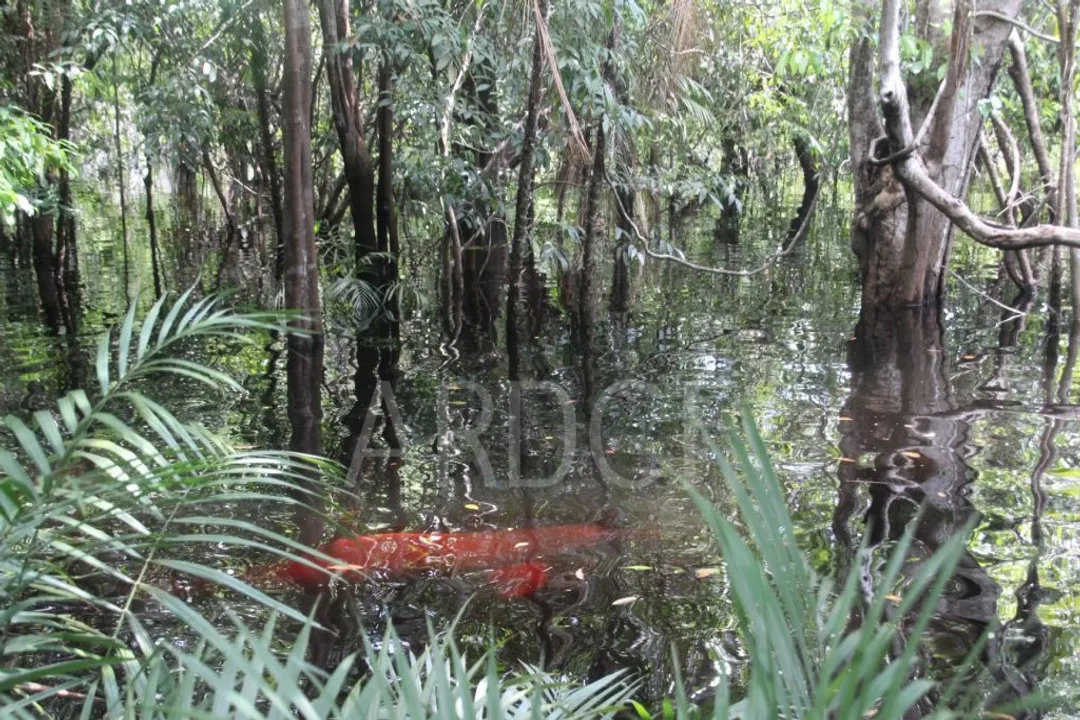
The availability of these diverse prey items is not constant; it is deeply tied to the hydrology of the Amazon basin, which experiences dramatic seasonal shifts. During the flood season, vast tracts of forest become inundated, creating temporary underwater habitats. [6] This expansion of space and access to nutrient-rich flooded forests means the dolphins can pursue prey that would normally be inaccessible in the main river channels or drier tributaries. [6] The fish, seeking refuge or food among the submerged roots and vegetation, might be easier to corner or herd.
Conversely, during the dry season, water levels drop significantly. This reduction in habitat concentrates the fish populations into smaller, defined areas, such as oxbow lakes or deeper river pools. [6] While this concentration could theoretically make feeding easier, it can also lead to increased competition among the dolphins and potentially expose prey species to higher predation pressure over a prolonged period. The opportunistic nature of the boto allows them to switch focus rapidly—from chasing fish in open flooded woodlands to perhaps scavenging or targeting slower, stressed fish trapped in shrinking lagoons.
This environmental dependency is a critical aspect of their feeding ecology that differs sharply from marine dolphins. A marine dolphin's foraging strategy is often dictated by ocean currents or localized upwellings; the Amazon dolphin’s strategy must adapt to a landscape that physically changes its boundaries twice a year. The documented consumption of piranhas and catfish, both of which often inhabit different strata of the water column—piranhas sometimes schooling mid-water or near the surface, catfish often preferring the bottom substrate—demonstrates a sophisticated ability to adjust vertical foraging patterns based on where the bulk of the available biomass is concentrated at any given time. [1][4]
# Hunting Techniques and Adaptations
While the specifics of how they catch every single species are not fully cataloged across these sources, we can infer much about their hunting apparatus from their known diet and habitat. Their relatively long, slender beak, armed with numerous teeth, is perfectly suited for grasping slippery, fast-moving fish like perch or characins. [1] The teeth, while numerous, are not designed for crushing hard shells like those of marine dolphins specialized for crab eating, suggesting that while they do eat crabs and shrimp, they likely consume them whole or crush them quickly before ingestion, or perhaps target soft-shelled individuals. [2]
The structure of their neck vertebrae, which are unfused—a rarity among dolphins—allows for an exceptional degree of head flexibility. [3] This flexibility is invaluable when trying to angle their head to snap sideways at a passing fish in the crowded, complex three-dimensional environment of the flooded forest or when trying to root around underwater debris for a lurking catfish. [9] This physical trait directly supports their documented ability to consume such a wide variety of prey located at different angles and depths.
Consider the Redtail Catfish (Phractocephalus hemioliopterus), a confirmed prey item. [4] This fish is heavily armored and rests near the bottom. To consistently capture such a creature suggests the dolphin must be adept at hunting close to the substrate, likely employing low-frequency echolocation clicks capable of penetrating the muddy bottom to detect the vibrations or shape of the fish resting there, a capability that requires significant biological investment in their sonar system.
# Conclusion on Diet
In summary, the Amazon River dolphin's diet is defined by its breadth rather than its depth regarding any single food item. [1][3] It is a generalist predator operating in a highly dynamic, nutrient-rich, but often visually restrictive environment. [2][6] The diet is predominantly fish, spanning over fifty known species, supplemented by crabs and shrimp. [1][9] The confirmation of prey ranging from the aggressive piranha to the large Redtail Catfish illustrates a dolphin that utilizes every sensory tool at its disposal—from highly developed echolocation to a flexible neck—to capitalize on whatever protein source the ever-changing river offers. [4] This broad dietary acceptance is not just a matter of preference; it is an ecological necessity for survival in the seasonally flooding, biologically diverse heart of South America. The health of the boto population is therefore inextricably linked to the sustained diversity and abundance of the entire Amazonian ichthyofauna. [7]
#Videos
Amazon River Dolphins: Pink Freshwater Dolphins That Eat Piranhas
Related Questions
#Citations
Amazon river dolphin - Wikipedia
Amazon River dolphin facts: habitat, threats, appearance, diet
Amazon River dolphin - Whale & Dolphin Conservation USA
[PDF] Food consumption and body measurements of Amazon river ...
Amazon River Dolphins: Pink Freshwater Dolphins That Eat Piranhas
Amazon River Dolphin | See The Wild - SEEtheWILD
Celebrating the Amazon River Dolphin, for World Rivers Day
The Amazon river dolphin or Pink river dolphin is a species of ...
Amazon River Dolphin - Facts, Diet, Habitat & Pictures on Animalia.bio