Walleye Fish Facts
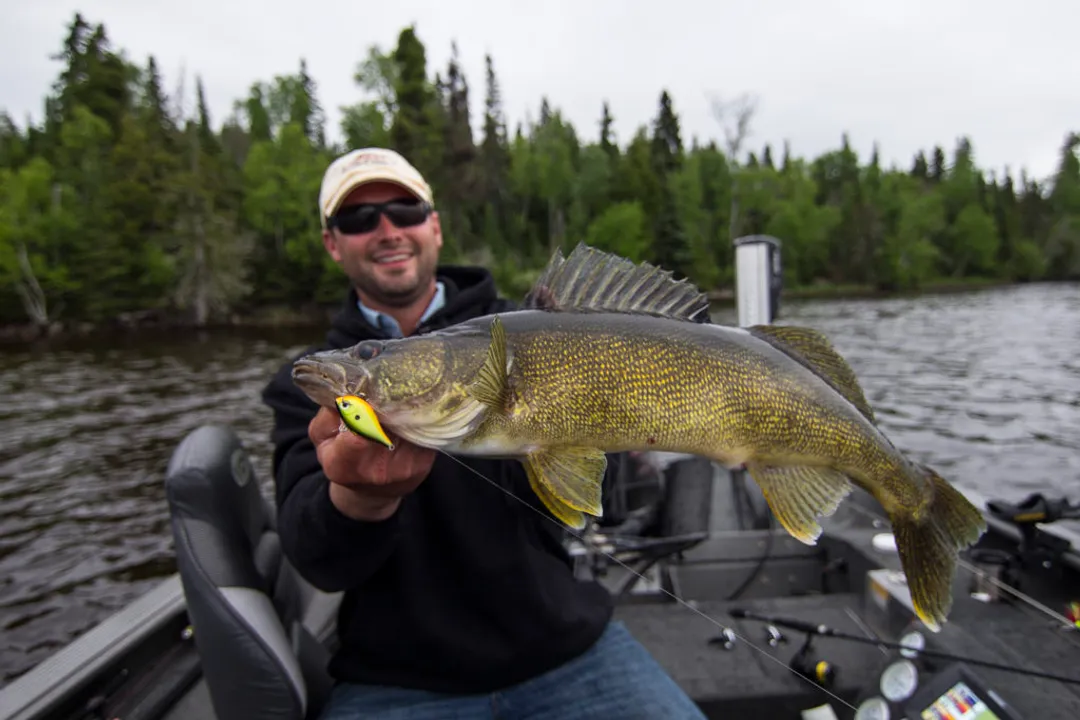
The walleye, a highly prized freshwater game fish across North America, is often sought after for both the challenge of the catch and the quality of its fillets. Officially known as Sander vitreus, this member of the perch family holds a special place in the angling world, particularly in the northern United States and Canada. [1][5] Its name itself hints at one of its most remarkable characteristics: its large, glassy eyes, which give the fish its distinctive look. [1][2]
# Scientific Identity
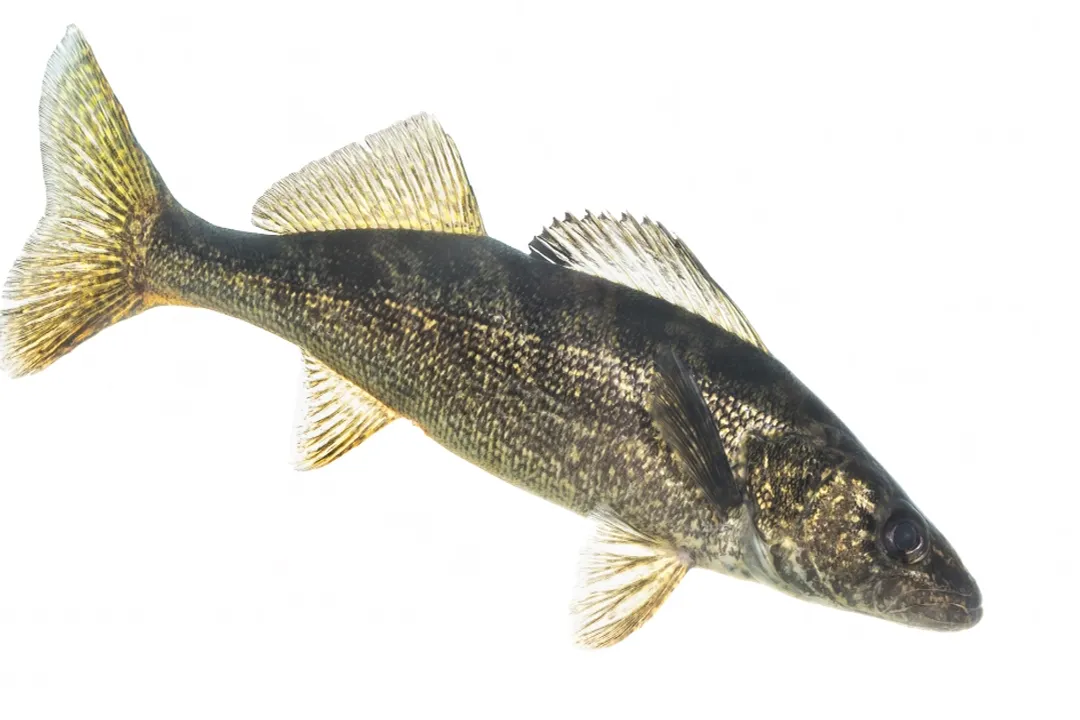
The walleye belongs to the family Percidae, which also includes yellow perch and sauger. [3][5] Its formal scientific designation is Sander vitreus. [1][5] Interestingly, the walleye is often confused with, or closely related to, its smaller cousin, the sauger (Sander canadensis). [3] While they share similarities, walleye are generally larger and possess distinct markings, such as a single, prominent white spot on the tip of the lower lobe of their tail fin, a feature often absent on sauger. [3] Some anglers also refer to the walleye by other regional names, including pike-perch or pickerel, though it is neither a true pike nor a true pickerel. [6] The species is native to large sections of the United States and Canada, establishing itself as a major component of many northern aquatic ecosystems. [1][5]
# Defining Features
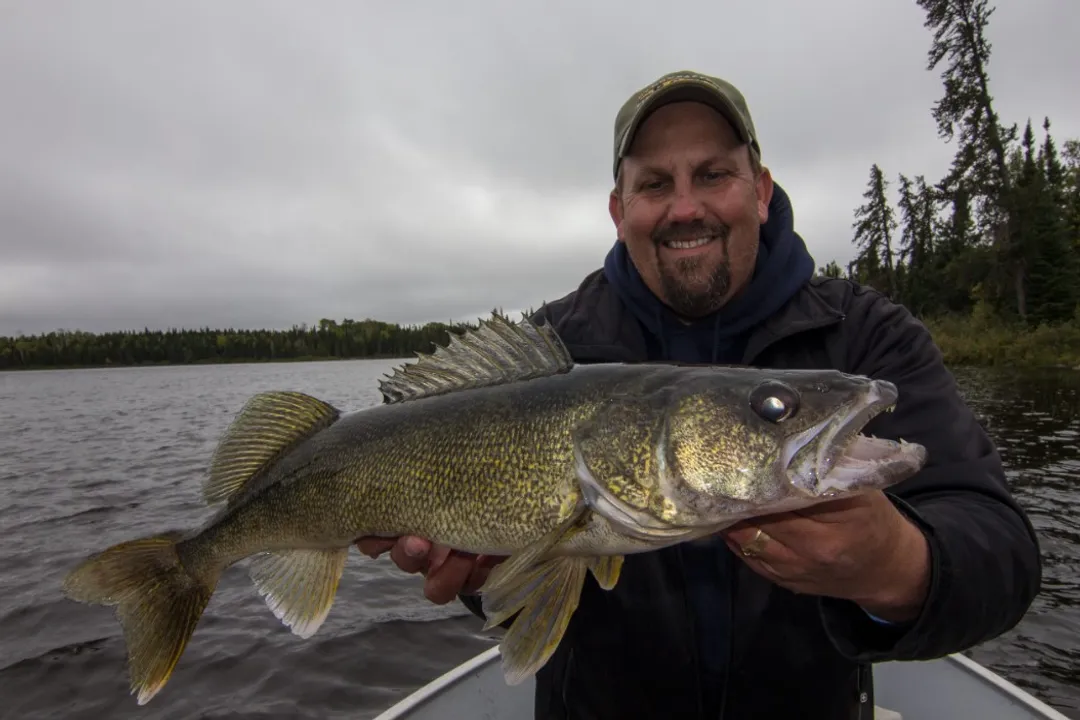
When examining a walleye, the eyes are the first feature that stands out. They are large and possess a reflective layer, or tapetum lucidum, which enhances vision in low-light conditions. [1][2] This adaptation allows them to hunt effectively during dawn, dusk, and in murky water. [1] For anglers, understanding this light sensitivity is key: if you are fishing on a bright, clear-sky afternoon, the fish are likely hunkered down in deeper water or heavy cover, waiting for lower light conditions to move to shallower feeding grounds. [2] This natural aversion to bright light, dictated by their specialized eyes, means that the best fishing action often occurs in low-visibility scenarios. [2]
Physically, the walleye exhibits an elongated, slender body shape. [1] Its coloration typically ranges from olive-gold or yellowish-green on the back, fading to white on the belly. [1][7] The back and sides are often mottled with darker, irregular bars or blotches. [7] A mature walleye can reach considerable sizes; while lengths generally range from 16 to 30 inches, the largest specimens can exceed 35 inches and weigh over 20 pounds. [1][2] The official world record, as recognized by some sources, sits just over 25 pounds, caught in the famous waters of the Missouri River. [2] Given their potential maximum size, it is interesting to observe that the largest recorded fish often originate from the extensive, deep Canadian Shield lakes, suggesting that environmental factors like water temperature, forage abundance, and sheer available acreage contribute significantly to maximizing an individual's growth potential compared to smaller, more restricted southern water bodies. [8]
Walleye possess sharp teeth and two dorsal fins—the first being spiny and the second soft-rayed. [1][3] Their general appearance, particularly the markings, can vary slightly depending on the specific water body they inhabit, a form of local adaptation. [7]
# Geographic Range
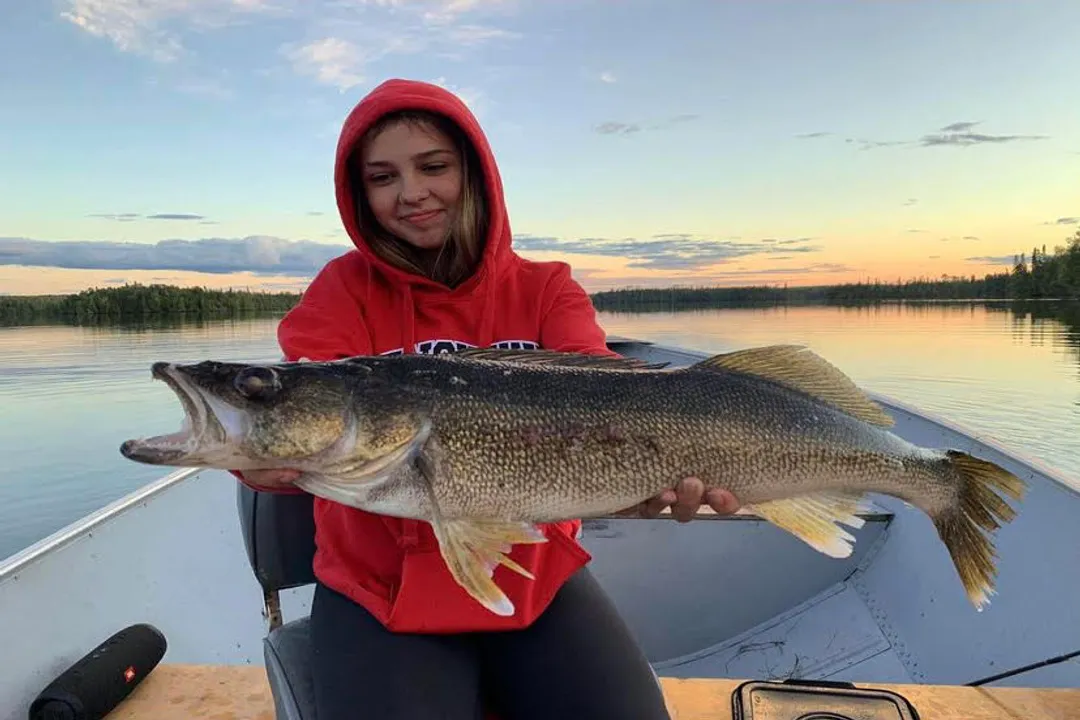
The native range of the walleye spans across Canada and the northern United States, extending down through the Mississippi River Valley. [1][5] They thrive in cool, deep, and often turbid (cloudy) lakes and large rivers. [1][5][7] While they can inhabit environments with clear water, they often prefer areas with moderate turbidity, which, combined with their excellent low-light vision, provides a hunting advantage over their prey. [1][3]
Specifically, walleye are widely distributed across the Great Lakes region, the Ohio River Valley, and various large reservoirs throughout the central part of the continent. [5] Maryland, for instance, notes the presence of walleye in the Youghiogheny River and its reservoir, where they are stocked due to their popularity as a sport fish. [7] This stocking effort highlights a management strategy used to sustain populations where natural reproduction might be challenging or where demand outweighs natural recruitment. [7]
It is important to note that while they are a Northern species, their adaptability has allowed them to be successfully introduced far outside their original, historical distribution, becoming an established sport fish in many states and provinces. [5] However, maintaining the right environmental conditions—cool water temperatures being paramount—is essential for the long-term health of any introduced or native population. [8]
# Life Cycle
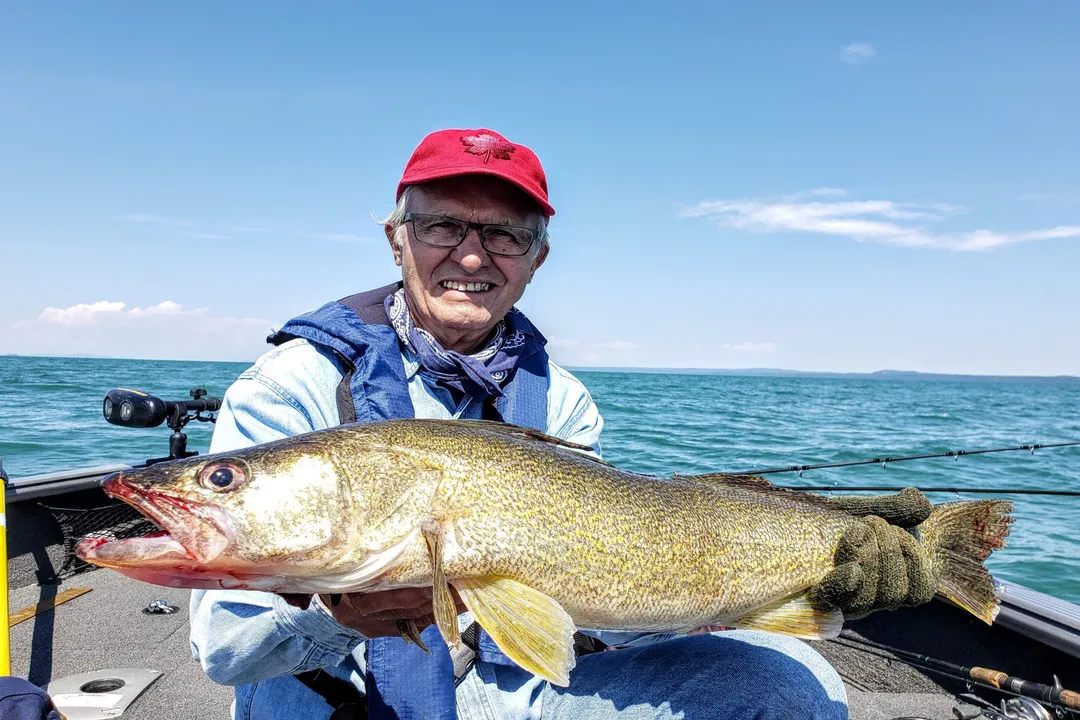
Walleye typically reach sexual maturity around three to five years of age, though this timing can vary based on food availability and water temperature. [8] Spawning occurs in the spring, usually when water temperatures reach between 45 and 55 degrees Fahrenheit. [8] Unlike some fish species that build nests or guard their young, walleye are non-nest builders; the female deposits her eggs over gravel or rocky bottoms, and the eggs are left to drift and hatch, relying on sheer numbers for survival. [8]
Once hatched, the fry feed on zooplankton before transitioning to smaller invertebrates and eventually to small fish as they grow. [8] Diet is a major driver of growth. As adults, walleye are opportunistic, carnivorous predators. [1] Their diet consists mainly of smaller fish species, with shiners, suckers, perch, and alewives often making up the bulk of their meals, depending on what is locally available. [1][2] An interesting ecological role they fill is that of a top predator in many systems, helping to balance the populations of smaller forage fish. [1] Their lifespan can be surprisingly long, with some individuals living to be over 20 years old in optimal conditions. [2]
# Table Fare
Perhaps the most compelling fact for many readers is the walleye's reputation on the dinner plate. It is widely considered one of the finest eating freshwater fish available. [2][4] The flesh is known for being white, firm, and mild-tasting, lacking the strong "fishy" flavor sometimes associated with other species. [4][5][9] This mildness is partly attributed to their relatively low-fat content compared to fish like lake trout or salmon. [4]
The flavor profile can sometimes be influenced by their environment; for example, large predatory fish living in systems with abundant forage may exhibit slightly different flavor characteristics than those in systems under higher environmental stress. [9] Despite minor variations, the overwhelming consensus among anglers and chefs is that a fresh, properly filleted walleye is superb table fare. [4][9] For those who catch more than they can immediately eat, freezing the fillets is a common practice, though care must be taken to wrap them tightly to prevent freezer burn, preserving that prized texture and taste. [4]
# Angling Strategy
Anglers seeking walleye often focus their efforts around distinct features in their environment. Because of their light sensitivity, they are frequently targeted early in the morning, late in the evening, or during overcast days. [2] In deep, clear lakes, fish often congregate near drop-offs, steep edges, or submerged structures during the day. [1] In rivers, they favor current breaks, such as behind large boulders or ledges where they can rest while waiting for food to drift by. [5]
The methods for catching them are varied. Trolling with crankbaits or slow-trolling with live bait like minnows or leeches are standard techniques. [2] Vertical jigging over structure or drifting an artificial lure are also highly effective, especially when trying to pinpoint where schools of fish are holding tight to the bottom. [9] The preferred speed and lure depth often depend entirely on the water temperature and barometric pressure, making experience and observation essential tools for success. [6] Mastering the walleye requires adapting your presentation based on the conditions you observe on any given day, more so than perhaps with many other species.
Related Questions
#Citations
Walleye
10 Fun Facts about Walleye Every Angler Should Know
Walleye
10 Walleye Facts
Walleye (Sander vitreus) | U.S. Fish & Wildlife Service
About Walleye - Fish Facts
Maryland Fish Facts: Walleye
Walleye biology and identification
A1 Walleye Fishing Website