What specialized mouthparts ending in fangs do fishing spiders possess to deliver venom?
Answer
Chelicerae
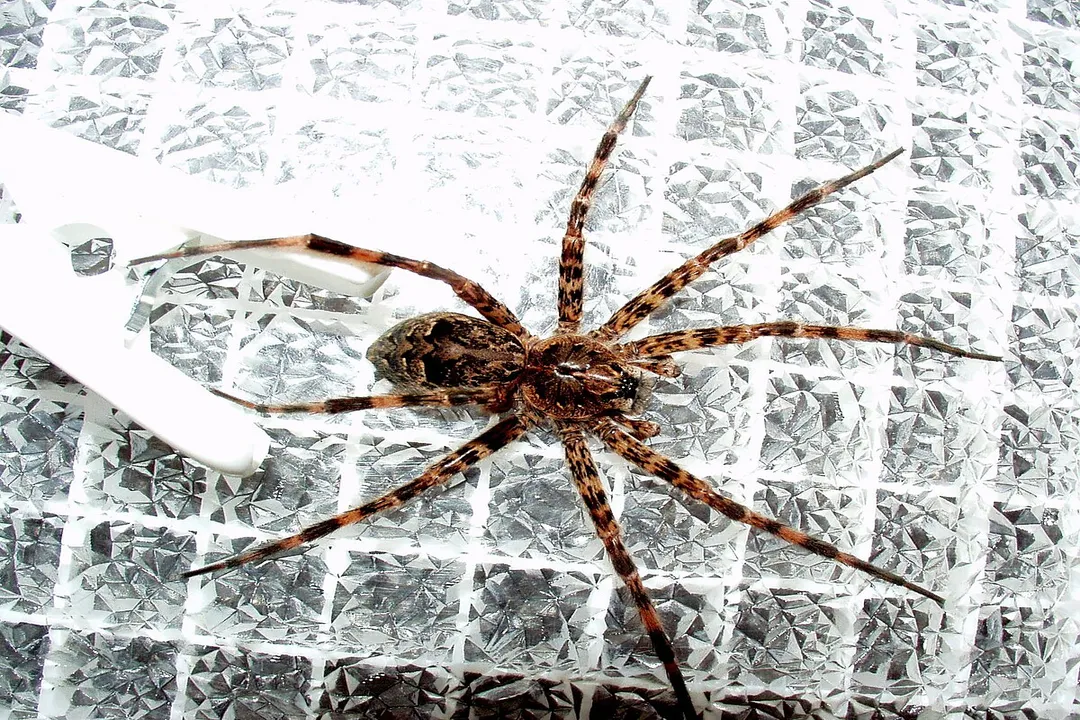
The specialized anatomical structures responsible for delivering the paralyzing or subduing venom of the fishing spider are the chelicerae. These mouthparts are equipped with sharp fangs that pierce the skin of their prey, allowing the spider to inject the toxin effectively. This mechanism is crucial for handling prey items, such as small fish or aquatic insects, which might be comparable in size or strength to the spider itself, demonstrating the efficacy of this predatory adaptation.
#Videos
Are Fishing Spiders Dangerous? GIANT Fishing Spider Encounter!
Related Questions
What term correctly describes fishing spiders because they inject toxins via their fangs?What specialized mouthparts ending in fangs do fishing spiders possess to deliver venom?How is the immediate pain resulting from a defensive fishing spider bite typically characterized?What physical phenomenon allows fishing spiders to walk across the surface film of water?Where are homeowners sometimes likely to find *Dolomedes tenebrosus* when encountered away from open water sources?What is the primary ecological function served by fishing spiders in wetland environments?Statistically, from which common outdoor hazard is a person more likely to experience a severe reaction than from a fishing spider bite?How are fishing spiders able to breathe while submerged underwater during prey capture?What is the fundamental motivation behind a *Dolomedes* genus spider biting a human?Why does the size of fishing spiders contribute significantly to the fear they inspire in people?