What life history trait in female *A. seemanni* is an evolutionary strategy for surviving unpredictable resource availability?
An extended lifespan, sometimes exceeding two decades in captivity
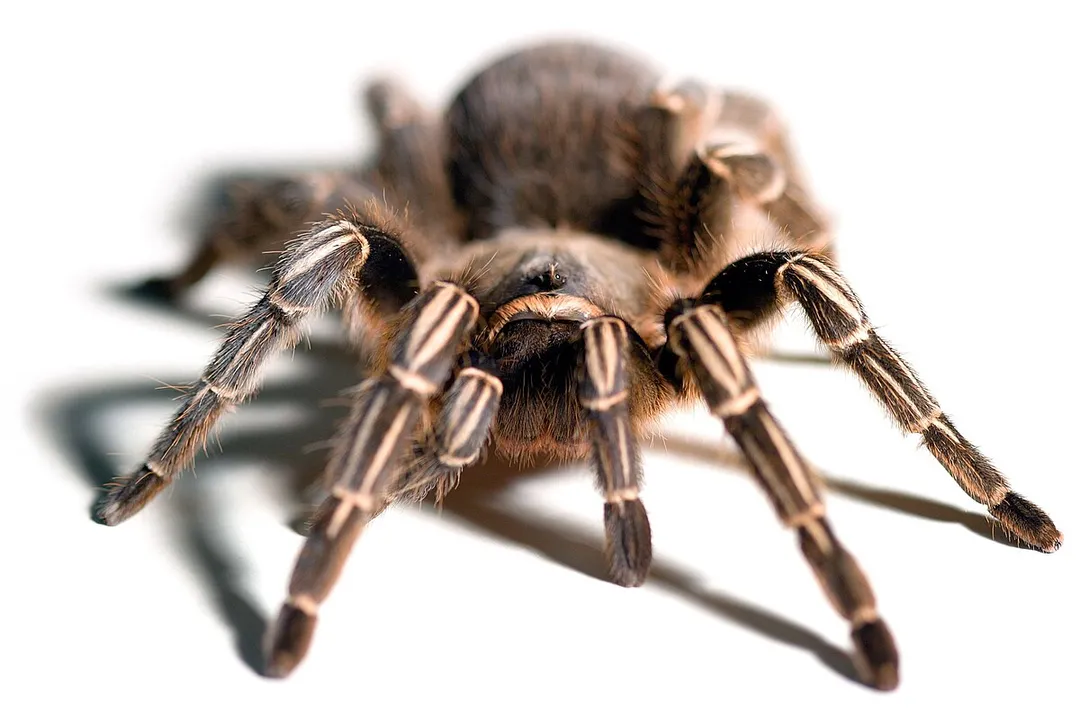
Longevity is a key component of the evolutionary success strategy for many large, terrestrial tarantulas, particularly the females of *A. seemanni*. Because they inhabit seasonal tropical environments where prey availability can be unpredictable or scarce during certain times, an extended lifespan allows females to endure these lean periods. By living for many years, often documented to exceed two decades in controlled settings, they maximize their chances of surviving long enough to reach reproductive maturity (which itself takes years) and accumulate reproductive output over numerous favorable seasons, ensuring generational success despite environmental volatility.
#Videos
Costa Rican Zebra Stripe Knee Tarantula How To CARE for ...