What environmental context often characterizes the general habitat for species belonging to the genus *Aphonopelma*?
Answer
Arid or semi-arid regions across the Americas
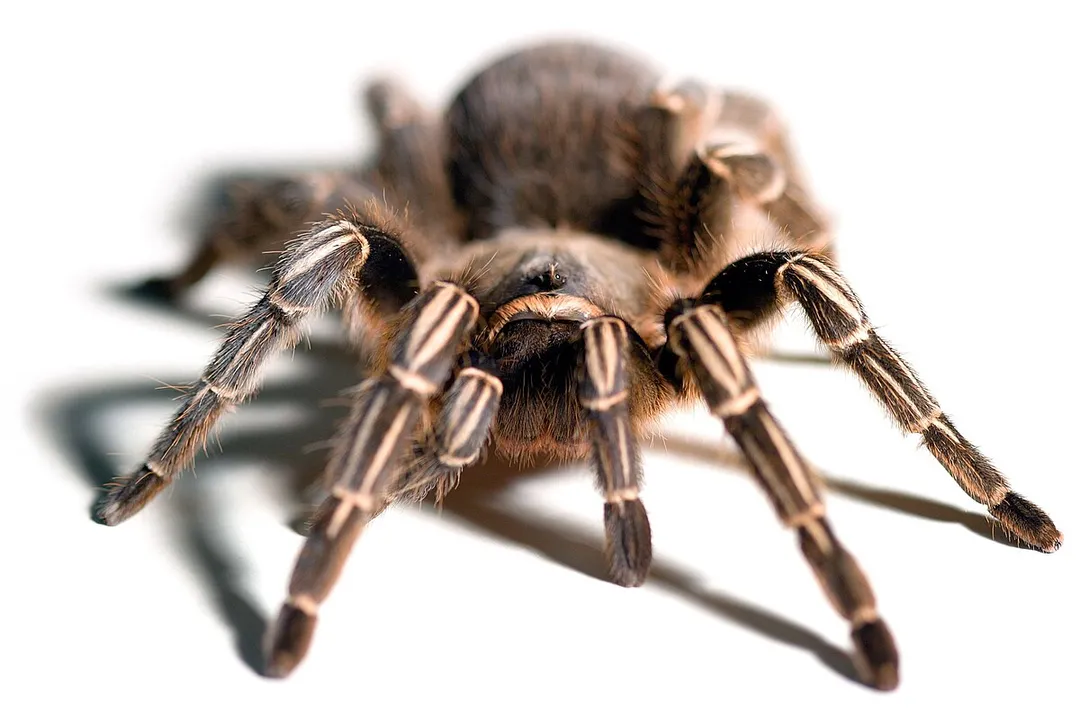
The genus *Aphonopelma* is a major group of tarantulas found predominantly throughout North and Central America, and its species often share an evolutionary history adapted to challenging environments. The general characteristic associated with many members of this genus is adaptation to drier conditions, often found in arid or semi-arid regions. Although *A. seemanni* itself occupies a more tropical setting, this broader genus context highlights that many relatives thrive where water conservation and heat tolerance are key selective factors, influencing their terrestrial, long-lived nature.
#Videos
Costa Rican Zebra Stripe Knee Tarantula How To CARE for ...
Related Questions
What is the primary physical defense mechanism utilized by *Aphonopelma seemanni*?Which region constitutes the historical geographic origin for established populations of the Zebra Tarantula?What specialized behavior is a direct response to the need for stable temperature and humidity regulation for *A. seemanni*?What is one hypothesized function of the black and white leg banding on *A. seemanni* regarding visual signaling?How do maturation times differ between male and female *A. seemanni* reflecting distinct sexual selection pressures?What environmental context often characterizes the general habitat for species belonging to the genus *Aphonopelma*?What specialized function does foot-spinning using the tarsi potentially serve for the fossorial *A. seemanni* in its burrow?How does the evolutionary strategy of *A. seemanni* differ structurally from that of the arboreal *Cyriopagopus albostriatus*?What is the evolutionary purpose of the venom in *A. seemanni* relative to its other main defense mechanism?What life history trait in female *A. seemanni* is an evolutionary strategy for surviving unpredictable resource availability?