Zebra Shark Evolution
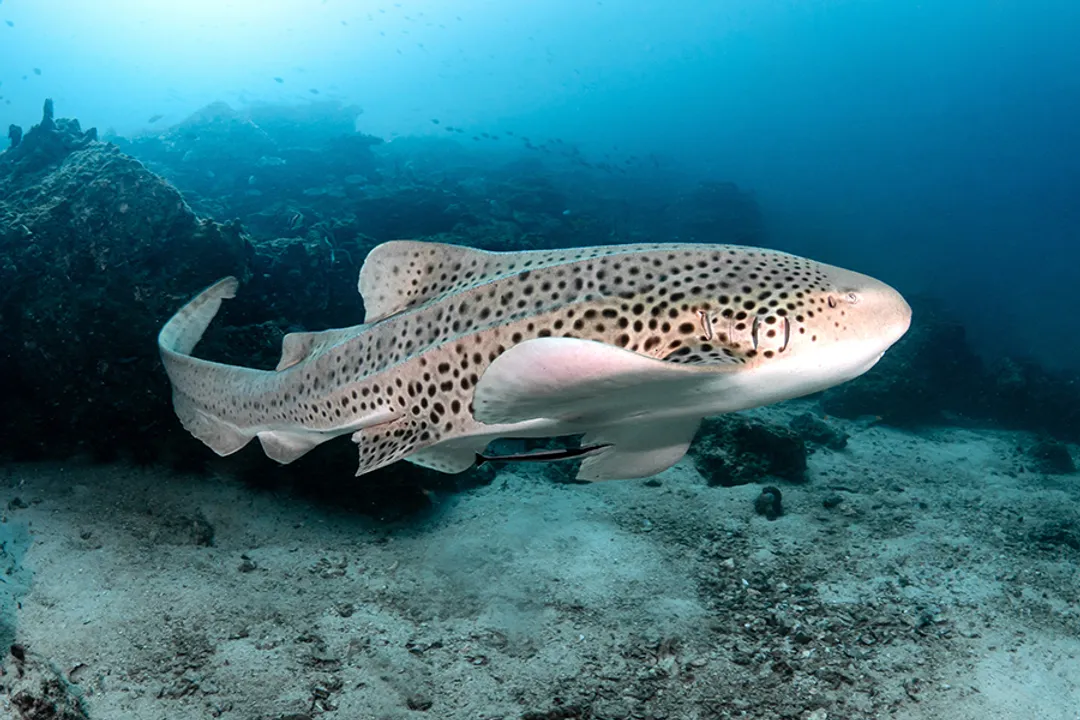
The animal known commonly as the zebra shark often leads to immediate confusion, as the mature form bears little resemblance to its juvenile counterpart. [2][5] This creature, scientifically recognized as Stegostoma tigrinum or Stegostoma fasciatum—a naming complexity that reflects ongoing scientific review—presents one of the more striking examples of ontogenetic color change in the marine world. [3][6] While the "zebra" moniker comes from the distinctive dark stripes on a lighter background seen in young sharks, adults trade these bold lines for a scattering of dark spots against a paler base, leading some observers to call them leopard sharks. [2][5][7]
# Shark Taxonomy
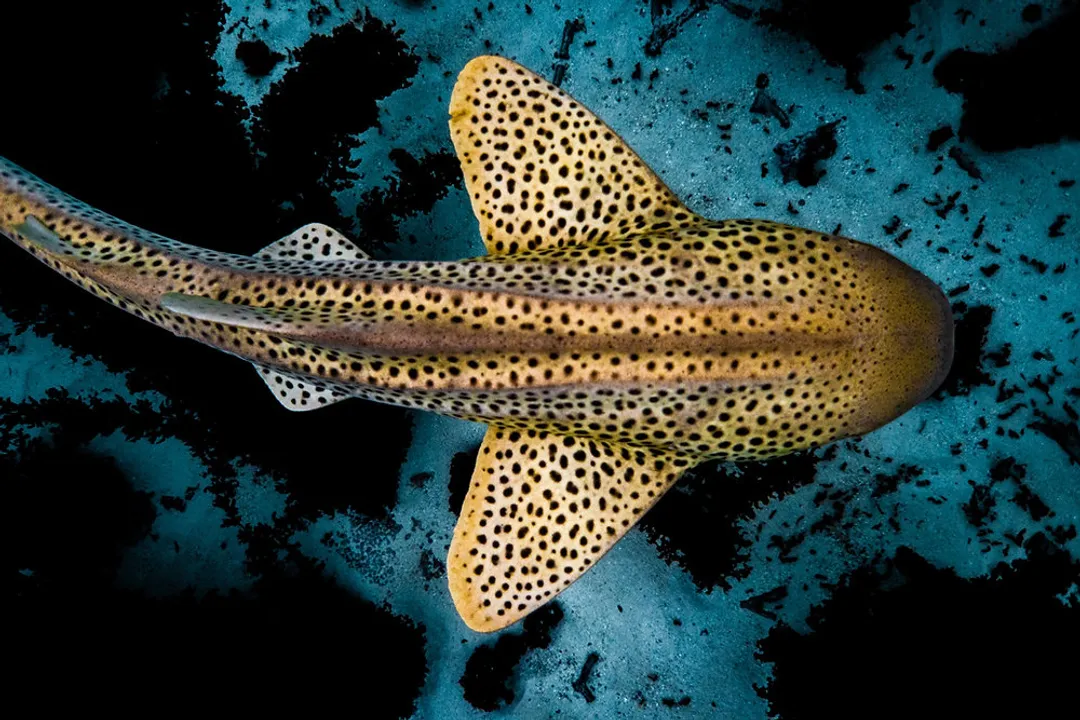
The zebra shark belongs to the order Orectolobiformes, a group that also includes carpet sharks. [3][6] This placement suggests an ancient lineage within the cartilaginous fishes, sharing a common ancestry with bottom-dwelling relatives. [6] In terms of size, these sharks are relatively large, capable of reaching lengths up to about $3$ meters ($10$ feet). [1][3][4] Despite their size, they are generally considered sluggish, slow-moving sharks often found resting on sandy bottoms, coral reefs, or in shallow, coastal waters. [3][4][7] Their morphology, featuring a long tail that is nearly half their total length, helps distinguish them within their order. [1][3]
# Juvenile Pattern
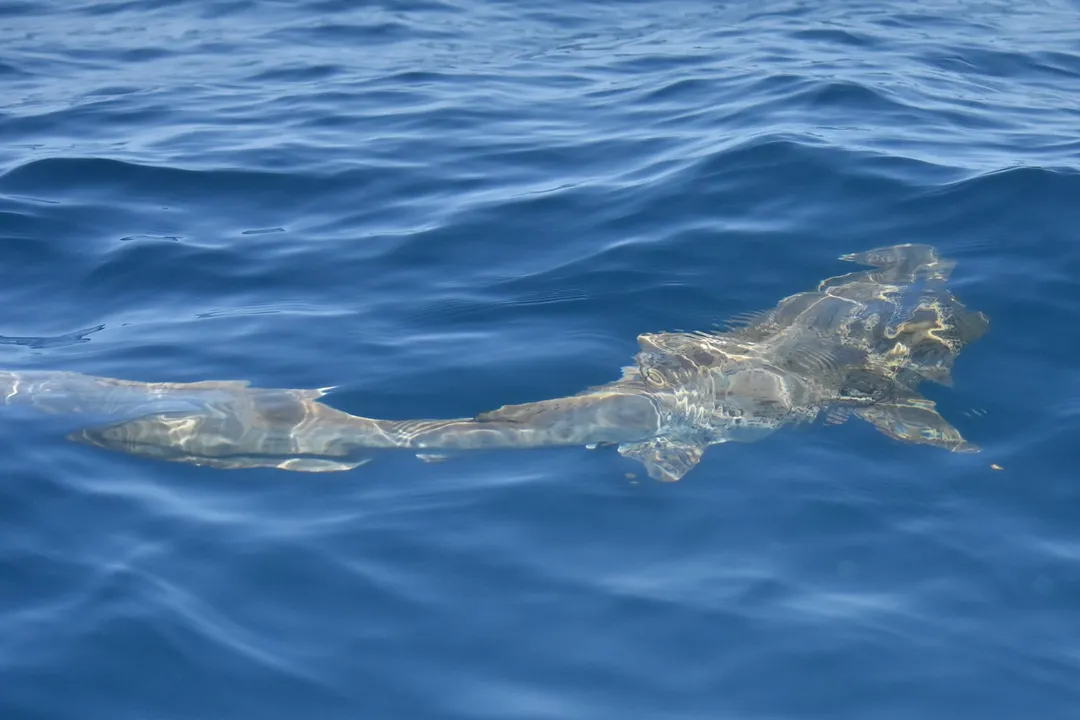
The early life stage of the zebra shark is characterized by a dramatic camouflage strategy perfectly suited for its immediate environment. Juveniles are covered in alternating dark and light horizontal bands—the "zebra" stripes—that can be quite vivid. [2][5][7] This patterning provides excellent disruptive camouflage among the vertical structures common in shallower reef environments or seagrass beds where young sharks are likely to spend their initial years seeking refuge from larger predators. [5] The transition away from this pattern is not gradual but part of a distinct developmental milestone.
For those studying shark development, tracking this change offers a clear visual marker of growth and ecological transition. It is important to note that while both the juvenile and adult stages exist simultaneously in the ocean, they represent different points in the shark’s life history, potentially occupying different microhabitats that require distinct camouflage solutions.
| Feature | Juvenile Stage | Adult Stage |
|---|---|---|
| Color Pattern | Dark horizontal stripes on a light background | Scattered dark spots on a lighter background |
| Common Name | Zebra Shark | Leopard Shark (informally) |
| Habitat Preference (Inferred) | Shallower, more structured environments | Deeper/more open benthic areas |
| Appearance | Very distinct contrast | More mottled appearance |
| Scientific Link | Marks early life dependency | Marks sexual maturity/later life |
This distinct developmental shift represents a significant biological investment. A complete overhaul of skin pigment suggests an evolutionary advantage tied to surviving different predation risks or enhancing hunting success as the shark moves from the complex, shadowed nursery grounds to the flatter, more open bottoms associated with adulthood. [5]
# Pattern Change
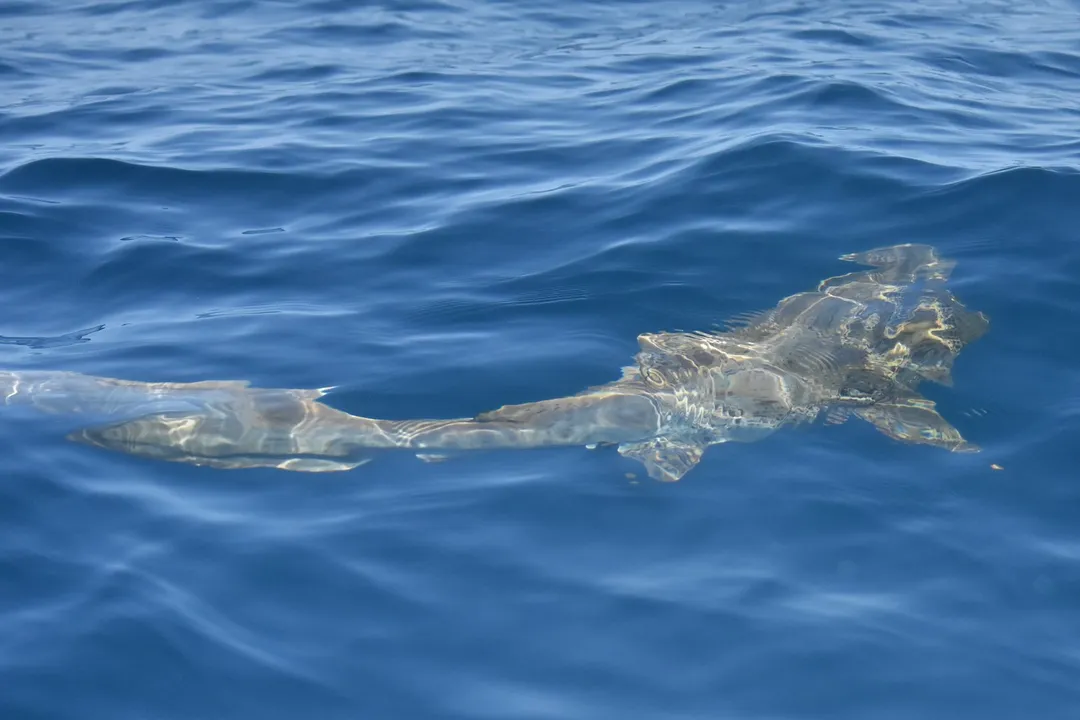
The transformation from the striped juvenile to the spotted adult is a biological event that has intrigued marine biologists for decades. [2][6] This change in appearance, known as ontogenetic color change, occurs as the shark matures. [2][6] While the exact timing can vary, the stripes begin to break up and coalesce into spots. [2] This process means that an individual shark may carry both striped and spotted markings simultaneously during the transition period. [5] This difference in appearance has historically led to taxonomic confusion, with scientists sometimes classifying the juvenile and adult as two entirely different species. [3][6]
The mechanism behind this dramatic shift is rooted in the skin’s chromatophores—specialized pigment-containing cells—which change their distribution or pigment concentration as the shark grows. [2] This adaptive camouflage ensures the shark maintains effective concealment throughout its lifespan, even as its scale and behavior change. [5] Considering the variety of substrates available across tropical Western Pacific and Indian Oceans, this ability to switch visual signatures provides a powerful survival tool across developmental phases.
# Coastal Habitats
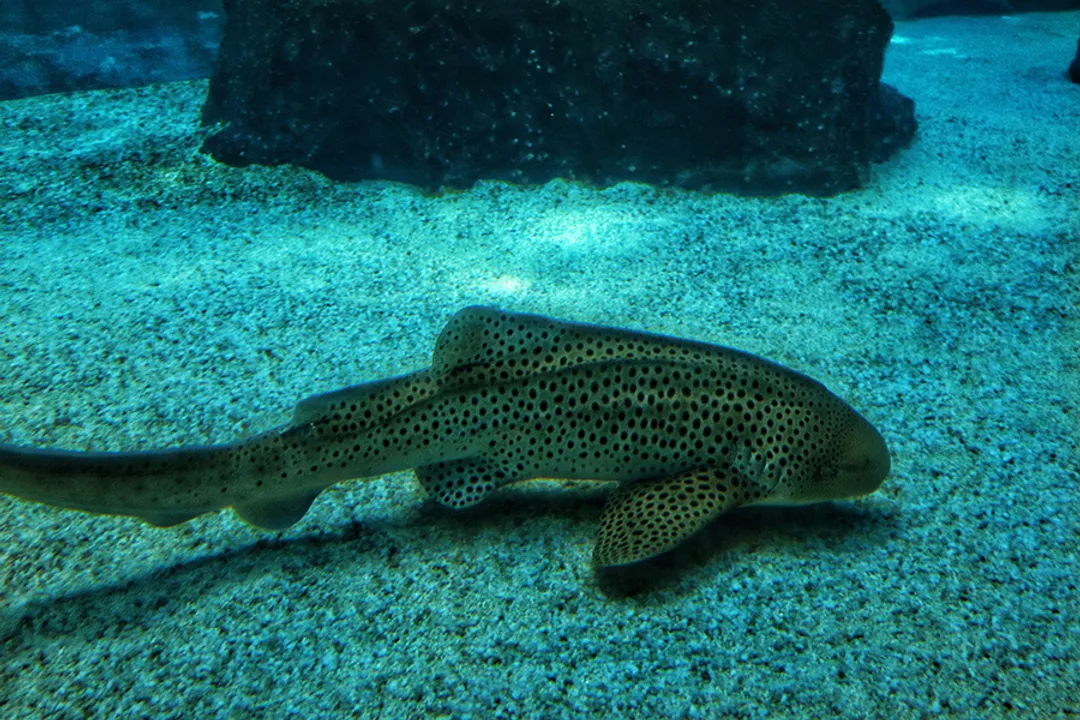
Zebra sharks occupy tropical and subtropical waters across a wide geographical range, though specific population data can be fragmented. [4][7] They are frequently documented near the coasts of East Africa, through the Indo-Pacific, and across to the western Pacific islands. [1][6] Their preferred depth range is generally shallow, extending down to about $80$ meters ($260$ feet), though they have been occasionally recorded deeper. [3][4]
As bottom-dwellers, they spend a significant amount of time resting on the seabed, often near coral reefs, rubble areas, or sandy flats. [4][7] They are known to be oviparous, meaning they lay eggs. [1][3] The eggs are distinctive, appearing dark, oval-shaped, and quite large, encased in a tough, leathery shell, which they deposit in protected areas. [3] It has been noted that in captivity, individuals can remain in the same small area for extended periods, suggesting low migratory tendencies, although wild behaviors might differ. [7] Observing their preferred resting spots in locations like the waters off the Great Barrier Reef or in Southeast Asian archipelagos reveals a strong association with the structural complexity of coral ecosystems. [7][4]
# Population Status
While the zebra shark is not considered one of the more dangerous species to humans, due to its generally docile nature and bottom-feeding habits, it faces significant environmental pressures. [4][7] The IUCN Red List categorizes the species as Vulnerable globally, though regional assessments can highlight higher risks. [1][9] One factor complicating conservation management is the distinction between the S. tigrinum (often cited as the Indo-Pacific population) and S. fasciatum (sometimes cited for the Western Indian Ocean/East Africa) based on morphological differences, though this taxonomy remains fluid. [1][6]
Fishing activities present a major threat. Zebra sharks are susceptible to being caught as bycatch in various netting operations across their range. [1][9] Furthermore, the slow reproductive rate inherent to many shark species—producing only a few large, heavily yolked eggs at a time—means that populations do not recover quickly from heavy fishing pressure. [1][3] Habitat degradation, particularly the decline of coral reef systems which serve as crucial feeding and nursery grounds, adds another layer of stress. [4][9] Efforts by aquariums and conservation groups often focus on research and captive breeding programs to maintain genetic diversity and better understand their life history, which is vital for future recovery plans. [9][10]
Understanding the full extent of their distribution and connectivity between these oceanic regions is essential; if the populations in the Western Indian Ocean and the Indo-Pacific are genetically distinct, conservation strategies must be tailored locally to address specific localized threats impacting each group. [1] The reliance of the juvenile form on pristine, structured habitats means that coastal development and sedimentation pose an immediate danger to the recruitment of new individuals into the adult stock.
Related Questions
#Citations
Zebra Shark – Discover Fishes - Florida Museum of Natural History
A Leopard that Changes its Spots - SharkSpeak
Zebra shark - Wikipedia
Zebra Shark Fish Facts - Stegostoma Fasciatum - A-Z Animals
Zebra sharks changing colors and patterns - Facebook
CREATURE FEATURE: Zebra Shark
Encountering the Enigmatic Zebra Shark: A Dive into its Mysteries
Zebra Shark | Wonders of Wildlife
Zebra Shark | Our Animals - Fort Wayne Zoo
A Bold Approach to Zebra Shark Conservation