Zebra Pleco Evolution
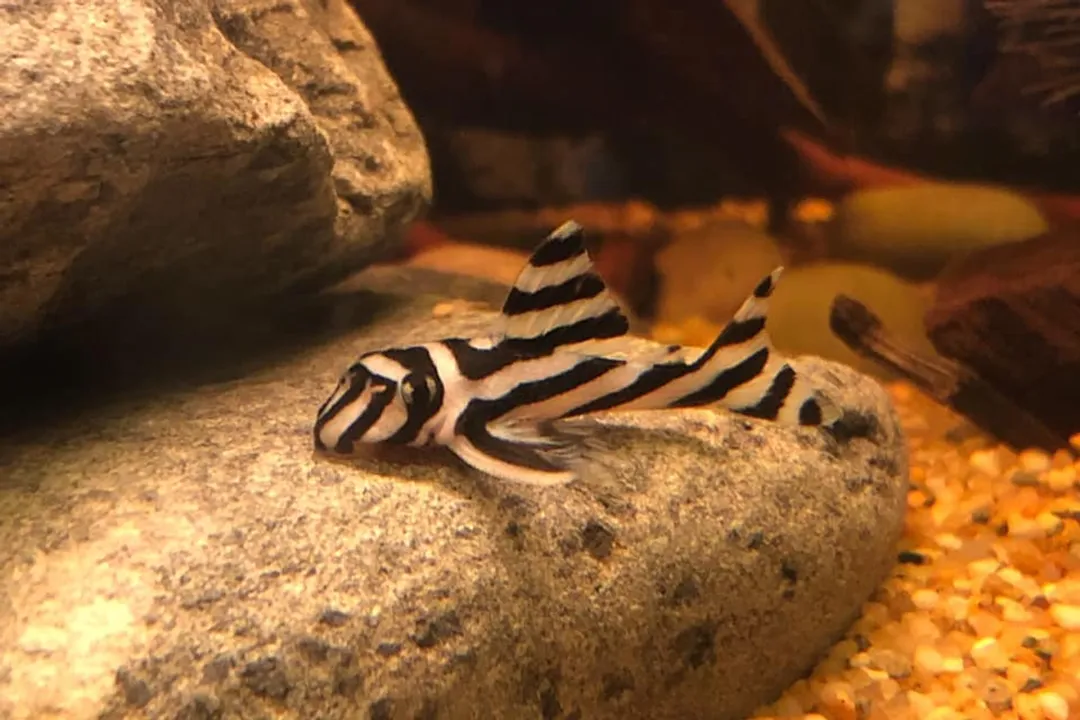
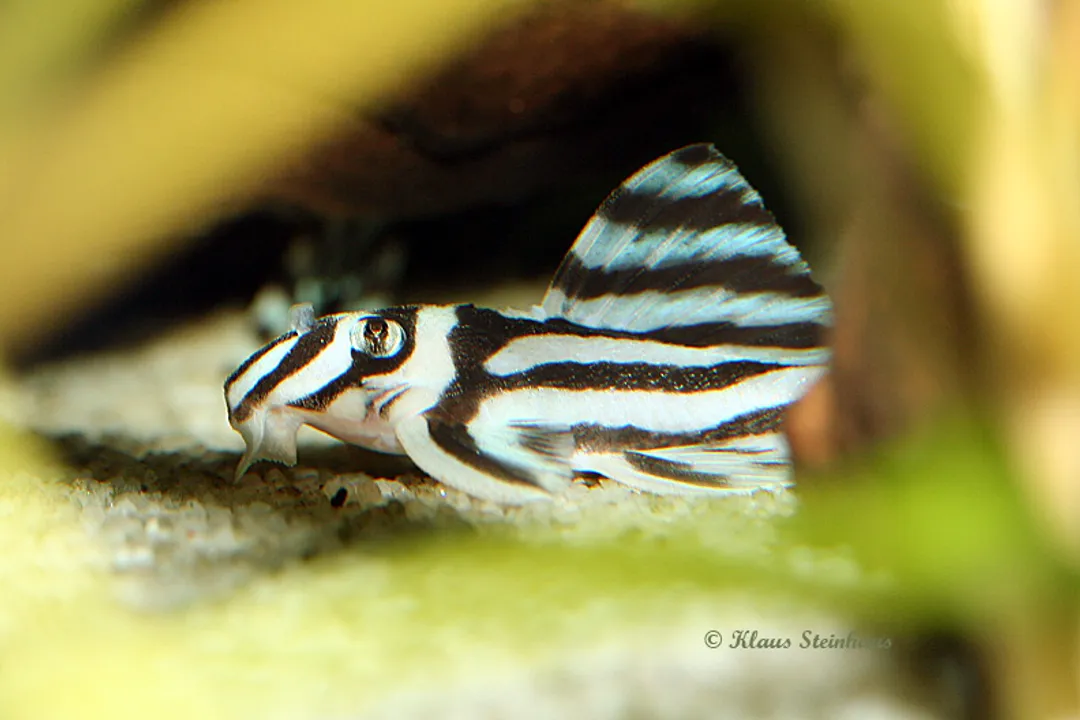
The striking black and white banding that characterizes Hypancistrus zebra immediately sets it apart within the vast catfish family Loricariidae. [1] This fish, commonly known as the Zebra Pleco, represents a stark example of evolutionary specialization, historically confined to a very specific and limited geographic area within the Xingu River basin in Brazil. [1][9] Its common name perfectly describes its visual appeal, yet its true story, especially concerning its survival trajectory, is deeply tied to the unique hydrology and geology of its native home. [6]
# Xingu Endemic
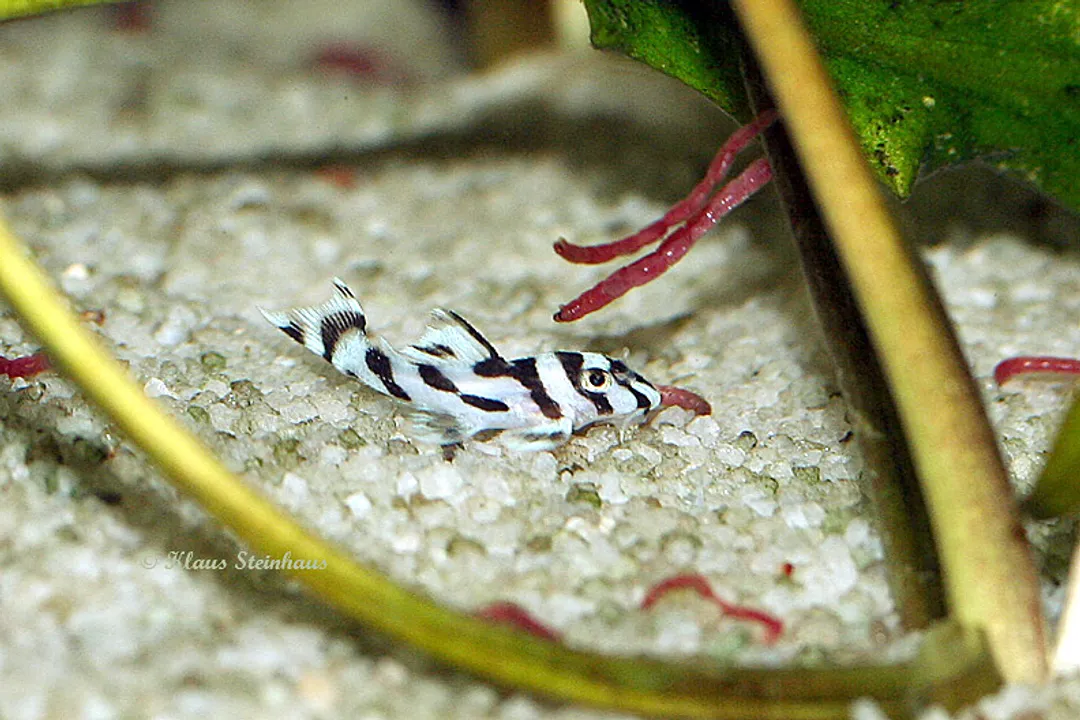
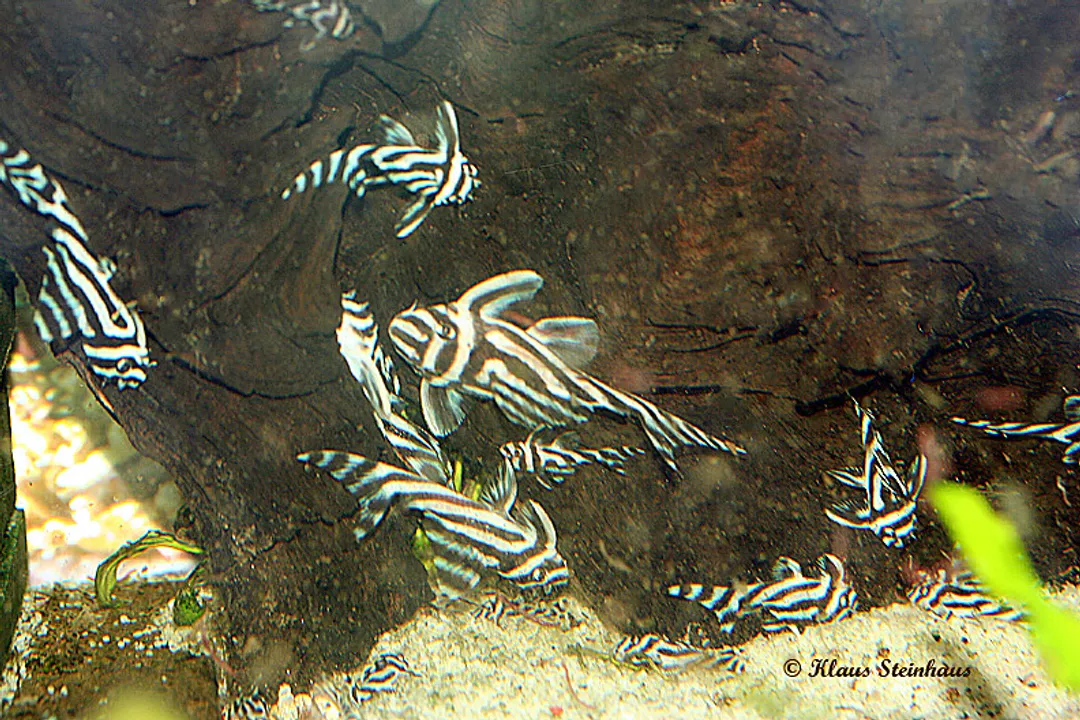
The evolutionary history of the Zebra Pleco is inextricably linked to its extremely restricted habitat. [1] H. zebra is known to be endemic to a small section of the middle Xingu River, an environment characterized by fast-flowing, highly oxygenated water rushing over rocky substrates. [6] This isolation likely fostered the development of its distinct morphological features and coloration patterns, which serve as effective camouflage against the dappled light and complex textures of the riverbed. [1]
This level of specialization, while a mark of successful adaptation to a particular niche over geological timescales, creates inherent fragility when that niche is rapidly altered. [1] The species evolved to thrive under specific physiochemical parameters that define its section of the Xingu. Any significant deviation from those established norms—such as shifts in water chemistry, flow rate, or substrate availability—places immediate, severe evolutionary stress on the wild population. [5]
# Genus Placement
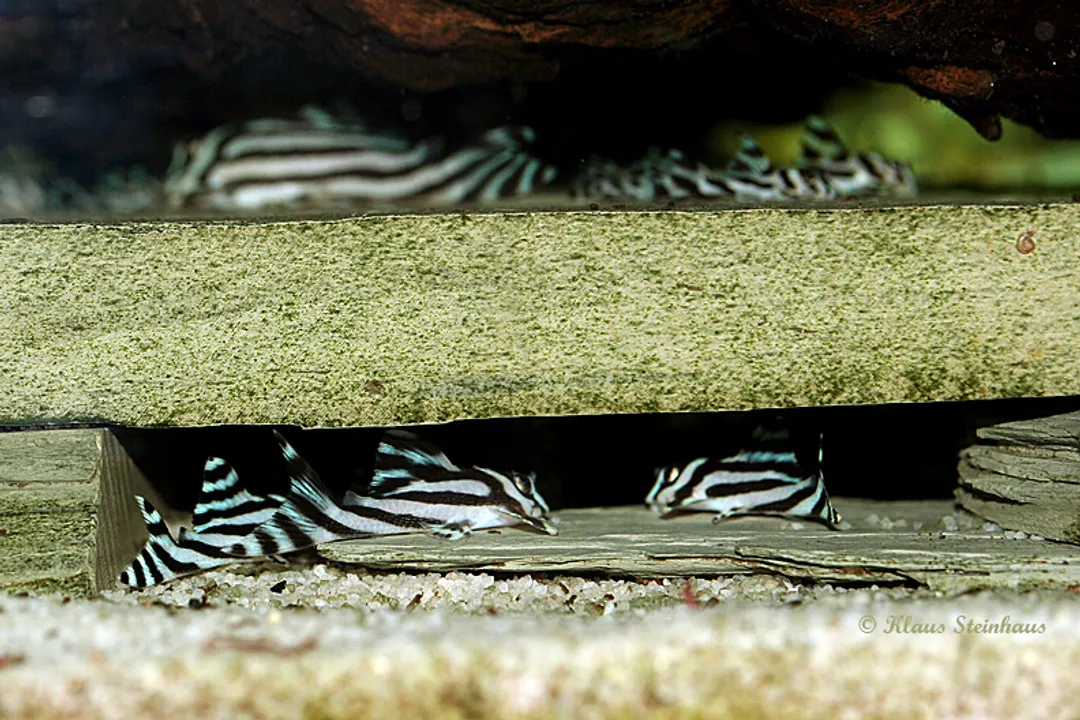
Belonging to the genus Hypancistrus, the Zebra Pleco shares ancestry with several other suckermouth catfish known for inhabiting swift currents. [6] Within this genus, H. zebra displays features that suggest a distinct evolutionary trajectory, perhaps diverging significantly from its closest relatives while maintaining adaptations suitable for high-energy aquatic environments. [6] Taxonomically, placing it within Hypancistrus confirms its identity as a member of the armored catfish group, but its specific adaptations, particularly the intense contrast in its markings, set it apart from more drab or differently patterned congeners. [6]
# Discovery History
The history of the Zebra Pleco in the public eye, particularly within the aquarium trade, is relatively short when measured against many other tropical fish species. [7] The timeline documenting its presence as an ornamental fish highlights specific milestones regarding its initial collection and subsequent market entry. [7] For a significant period following its initial scientific recognition and first appearance in the hobby, the supply chain relied almost exclusively on wild-caught individuals sourced directly from the threatened river system. [7]
The timeline charting main events shows periods where collection efforts were either highly restricted or ceased entirely, often followed by surges as new collection points were found or trade routes reestablished. [7] This historical dependency on wild capture underlines the initial, unchecked pressure placed upon the remaining wild stocks before the severe conservation status became undeniable. While captive breeding programs have become essential for hobbyist access, tracing this history is vital to understanding the historical impact on its wild gene pool. [7]
# Habitat Pressures
Today, the pressures shaping the survival of the Zebra Pleco are predominantly anthropogenic rather than purely natural. [5] The listing of H. zebra as Critically Endangered by the IUCN as of its 2016 re-evaluation underscores the severity of the threat. [1] The single most impactful change to its environment stems from large-scale hydroelectric development in the Xingu basin, most notably the construction of major dams. [1][5]
These engineering projects fundamentally alter the river’s hydrography—the natural pattern of water flow over time—destroying the specific laminar flow and high oxygenation levels the fish requires. [5] This rapid environmental shift creates an ecological bottleneck; the environment changes faster than the species can possibly evolve countermeasures through natural selection. [5] While the species demonstrates remarkable hardiness in a well-maintained captive setting, where parameters like flow and water quality are artificially controlled, the wild population has no such buffer against systemic river modification. [9] The intensity of collection pressure in the past, combined with current habitat destruction, places the species on a precarious survival trajectory. [7][1]
# Captive Resilience
The contrast between the fish's plight in the wild and its stability in the aquarist world offers a unique case study in conservation genetics. While the wild population struggles against massive hydrological change, well-managed captive breeding programs have ensured the species' continued existence outside its native ecosystem. [1] The success of breeding these fish often hinges on recreating that specific high-flow, high-oxygen environment—a testament to how deeply ingrained those environmental signals are, even across generations born in captivity. [2]
If we consider the genetic future of H. zebra, the population existing outside the Xingu river system now effectively carries the entire species' evolutionary mandate. [1] The natural process of evolution via selection within the river has been paused or severely hampered, meaning the genetic diversity maintained ex situ is now paramount. [5] For aquarists working with these fish, understanding that they are caring for the last reservoir of this highly specialized genetic material adds a layer of stewardship. It suggests that maintaining broad genetic diversity within captive lines, even if they are bred under slightly different parameters than the wild type, becomes the single most important action to safeguard the species' long-term viability, preparing a potential genetic foundation should environmental restoration ever become feasible. [6]
#Videos
Pleco Biologist talks Pleco Evolution (The Phylogenetics ... - YouTube
Related Questions
#Citations
Zebra pleco - Wikipedia
"There's No End To The Things You Might Know, Depending How ...
How many years have you known the zebra pleco? - Planet Catfish
Pleco Biologist talks Pleco Evolution (The Phylogenetics ... - YouTube
Due to Climate Change and the hobby - the zebra pleco is extremely ...
Zebra Pleco (Hypancistrus zebra) Species | Tropical Fish Hobbyist ...
A timeline of the main events in the history of Hypancistrus zebra as...
The Ultimate Guide to Zebra Pleco Care: Habitat, Feeding, Health ...
Zebra Pleco Care - Hypancistrus Zebra - Fish Lore
The Lowdown On The Zebra Pleco | MonsterFishKeepers.com