Which predator's known red-green colorblindness makes the disruptive camouflage hypothesis for stripes effective?
Answer
Lions
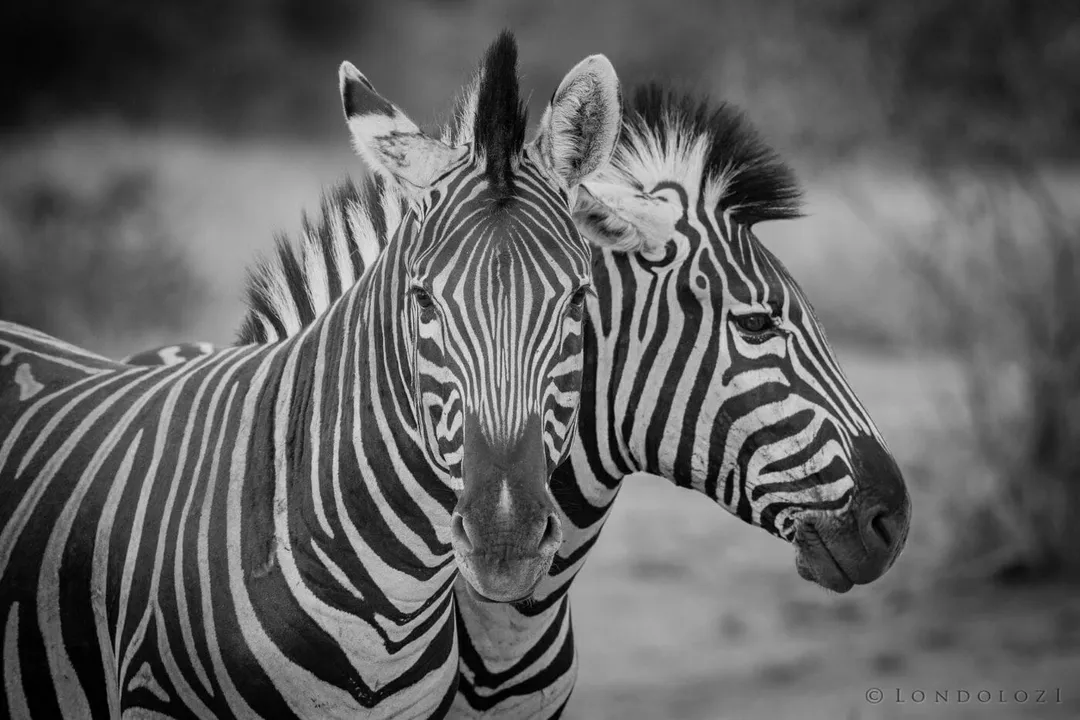
One of the primary hypotheses regarding the function of zebra stripes suggests disruptive camouflage, which is particularly advantageous when zebras congregate in dense herds. This visual disruption is theorized to be highly effective against lions because lions possess red-green colorblindness. In the shimmering heat haze of the savanna, the vertical stripes of closely packed individuals make it difficult for a colorblind predator to isolate and single out one specific zebra from the mass, thereby hindering a targeted attack.
#Videos
The Evolution of Zebras - YouTube
Related Questions
What other animals share the family *Equidae* with zebras?What characterizes the stripe extension down to the hooves on Grévy's zebra?Which predator's known red-green colorblindness makes the disruptive camouflage hypothesis for stripes effective?What specific disease vectors are implicated in the parasite deterrence hypothesis for zebra stripes?What distinctive physical feature is noted on the Mountain zebra's underside?Which two countries are identified as the primary habitation zones for Grévy's zebra?How does the stripe pattern on the legs of the Plains zebra (*Equus quagga*) typically appear?What extinct equid form is cited as tracing the ancestry of the genus *Equus*?What mechanism related to differential sunlight absorption might assist in zebra thermoregulation?How does the social structure of zebras enhance the effectiveness of their coat pattern against predators?