Zebra Evolution
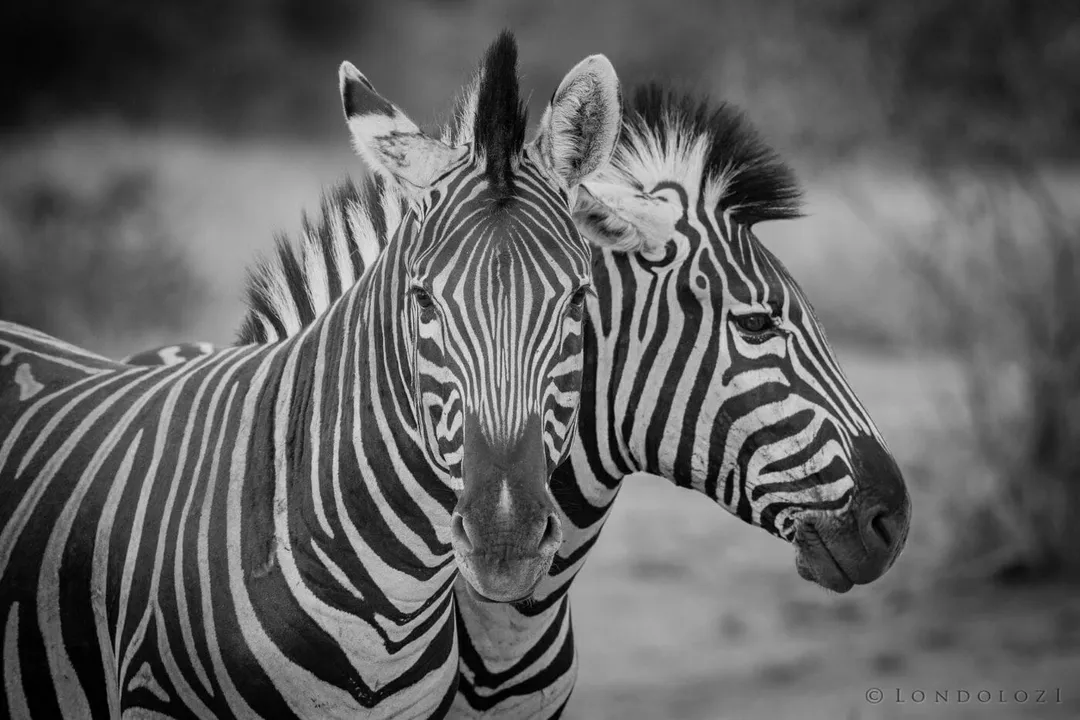
The zebra, instantly recognizable by its bold monochrome pattern, represents a fascinating chapter in the evolutionary history of mammals. These striking animals belong to the family Equidae, making them close relatives of horses and donkeys, yet they have carved out a distinct path across the African plains. [1] Their development is a story written in genetics and environment, resulting in three distinct species, each adapted to its unique locale, all while grappling with the enduring puzzle of why those stripes exist in the first place. [2][10]
# Equid Lineage
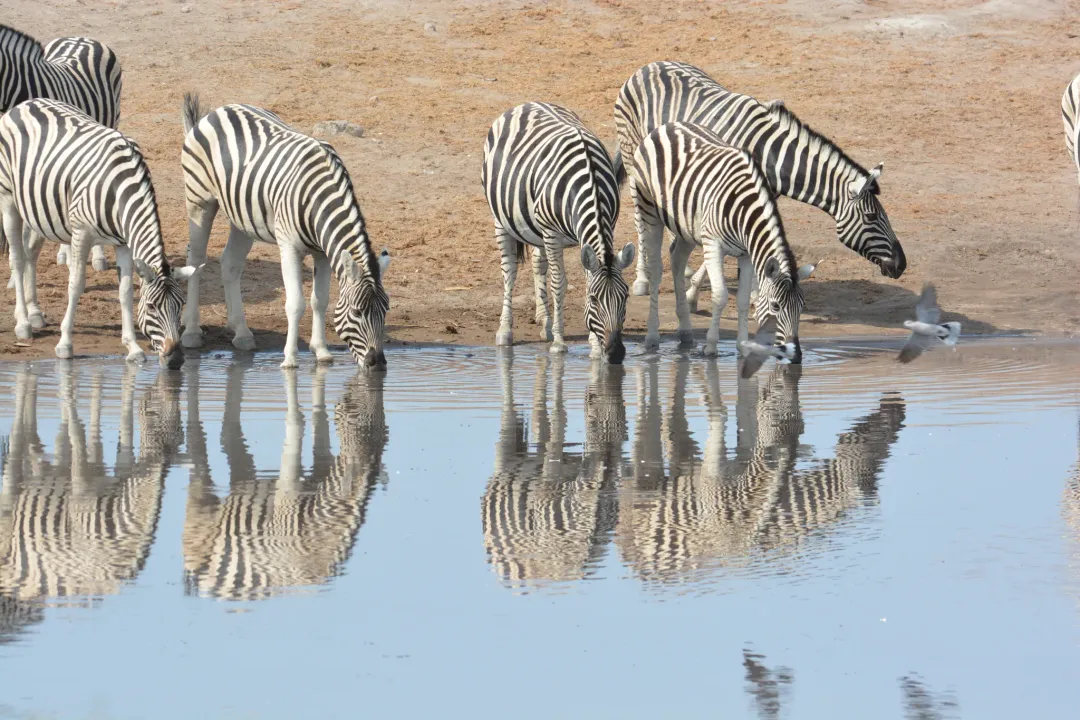
Zebras are members of the genus Equus, a group that includes all modern horses, asses, and zebras. [1] This genus itself emerged relatively recently in evolutionary terms, tracing its ancestry back through various extinct forms like Pliohippus. [10] The divergence that created the zebra lineage occurred as these early equids specialized for different environments on the African continent. [10] While they share a common ancestor with modern horses, the zebra line evolved to retain a wilder, more specialized survival strategy, emphasizing herd defense and resistance to local parasites and predators. [1]
The genus Equus is currently comprised of three main groups of zebras, which, despite their superficial similarities, are genetically distinct enough that they rarely interbreed successfully in the wild. [1] These species showcase divergent evolutionary pressures: the Plains zebra (Equus quagga), the Mountain zebra (Equus zebra), and Grévy's zebra (Equus grevyi). [1]
# Species Separation
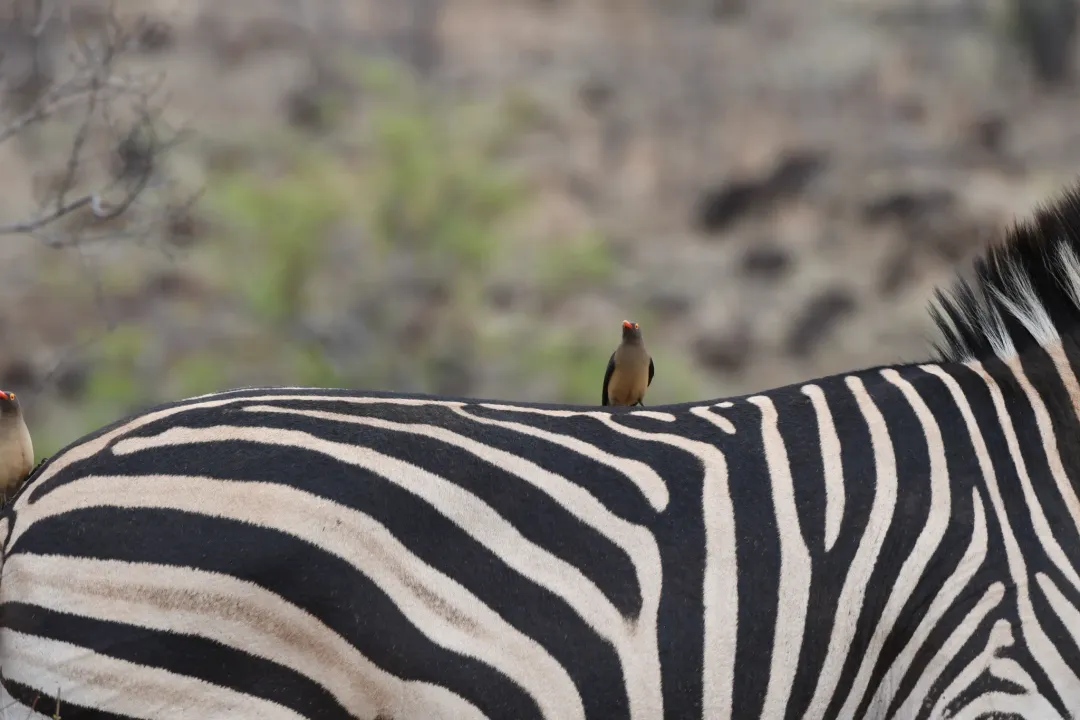
The three species of zebra occupy different ecological niches, which has influenced their physical characteristics, including their stripe patterns. [2] The Plains zebra is the most common and widespread, historically ranging widely across eastern and southern Africa. [1] Its stripes are generally broad, often fade into white on the legs, and the striping pattern can vary significantly across local populations. [2]
In contrast, Grévy’s zebra inhabits arid and semi-arid regions of Ethiopia and northern Kenya. [1] This species is the largest of the three and possesses the narrowest, most numerous stripes, which extend all the way down to the hooves without fading. [1][2] They also have large, rounded ears, likely an adaptation to the hotter, drier climate where heat dissipation is critical. [1]
The Mountain zebra, restricted to the mountainous and hilly areas of Namibia and South Africa, exhibits intermediate characteristics. [1] Their stripes are generally narrower than the Plains zebra’s but wider than Grévy’s, and they possess a distinctive dewlap (a fold of skin under the throat) and a gridiron pattern on their rump. [1] Considering the timeline, one can note that the success of the genus Equus lies in its adaptability—while horses domesticated well for human needs, the zebra lineage retained specialized coats and herd structures that kept them optimized for wild African predation pressures, illustrating divergent evolutionary success even within the same family. [1][10]
# Stripe Hypotheses
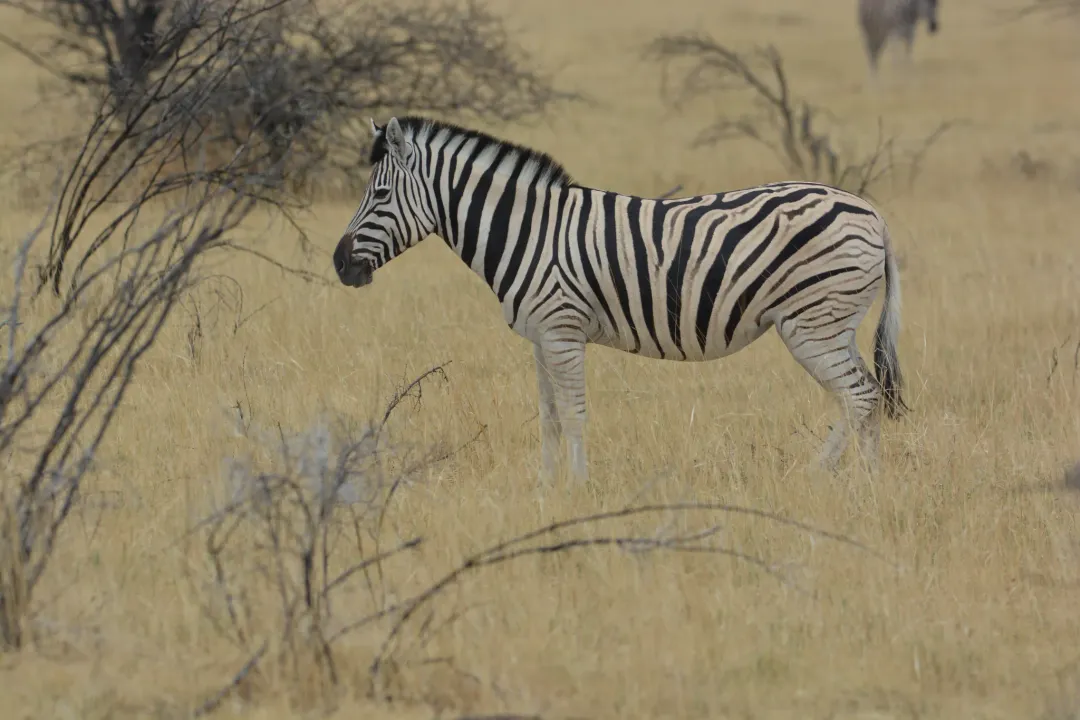
The most compelling and debated aspect of zebra evolution revolves around the function of their coat pattern. The stripes are not merely decorative; they must offer a significant survival advantage to have been maintained and amplified through natural selection. [7] Scientists have proposed several primary hypotheses over the decades, often comparing the zebra's environment and predators to the survival strategy of their solidly colored relatives. [2]
One traditional idea suggests that stripes act as a form of disruptive camouflage. In the shimmering heat haze of the savanna, a mass of vertical stripes could break up the outline of an individual animal, making it harder for predators like lions, which are red-green colorblind, to single out one zebra from a fleeing herd. [7][8] This is particularly effective when zebras are closely packed. [2]
However, more recent research has focused heavily on parasite deterrence. Studies have indicated that biting flies, such as tsetse flies and horseflies, are significantly less likely to land on striped surfaces than on solid black or white coats. [5][7] The stripes appear to confuse the insects' visual systems, preventing them from executing a successful landing approach. [5] This benefit is highly relevant, as these flies can transmit debilitating diseases, meaning selection pressure from disease vectors could have driven the striping pattern. [5]
A third theory involves thermoregulation. The differential absorption of sunlight between the black and white stripes might create small air currents just above the skin surface, helping to cool the animal in the intense African heat. [7] While this mechanism has been proposed, scientific investigation has yielded mixed results on how effective this cooling actually is compared to the impact of flies or camouflage. [5]
Analyzing the variation in stripe thickness across species suggests that the selective pressure favoring stripes isn't uniform across the genus. For instance, the broader striping seen on Plains Zebras might prioritize mass camouflage in open herds over the finer, potentially more specialized protection against specific biting flies seen in other species, which could represent an evolutionary trade-off based on habitat density and primary threat. [2][5]
# Pattern Variation
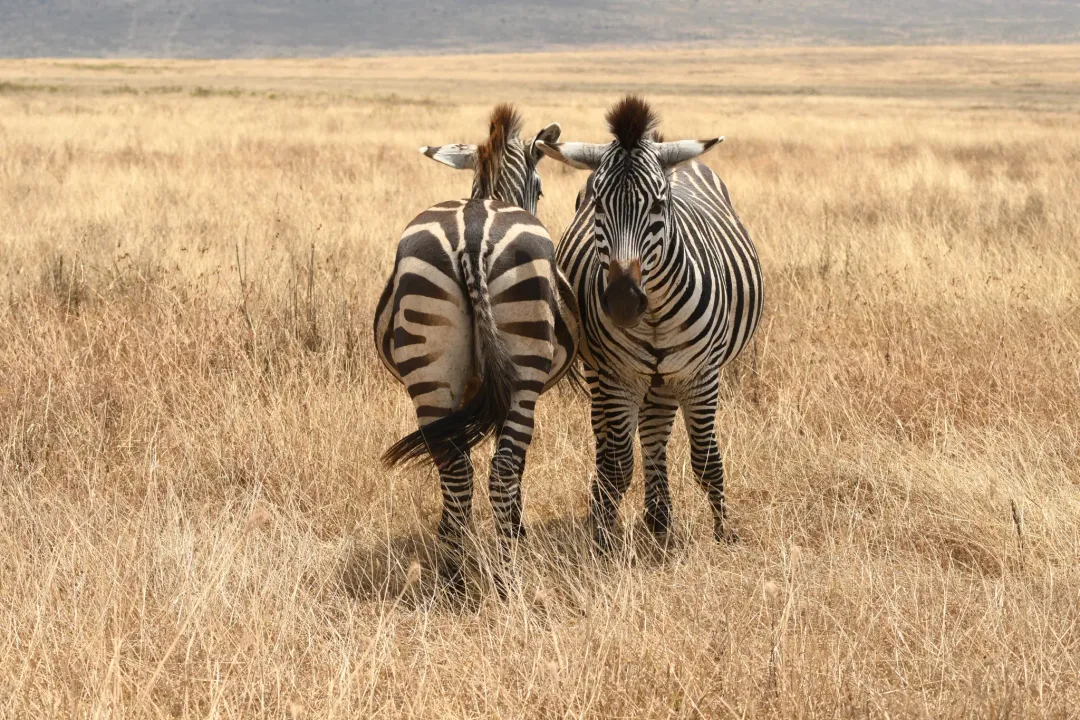
The stripes themselves are dictated by pigmentation genetics, but the pattern is shaped by environment and predation risk, leading to clear distinctions between the species. [2]
| Species | Stripe Width | Stripe Fading | Rump Pattern | Primary Habitat |
|---|---|---|---|---|
| Plains Zebra | Broad | Often fades on legs | Broad bars | Grasslands, savanna [1] |
| Grévy's Zebra | Narrow, numerous | Extend fully to hooves | Gridiron-like/narrow bars [1] | Arid/Semi-arid [1] |
| Mountain Zebra | Intermediate | Generally distinct [1] | Prominent gridiron pattern [1] | Hilly, mountainous terrain [1] |
It is fascinating to observe how Grévy’s zebra, living in drier zones where resources might be scarcer and fly-borne disease transmission could be concentrated around limited water sources, evolved the tightest, most complete striping. [1][2] This suggests that if fly deterrence is the dominant factor, the selection pressure for full-body coverage is strongest in their environment.
# Evolutionary Outcome
Regardless of which factor—camouflage, fly control, or cooling—provided the initial major selective push, the result is an animal finely tuned for survival in the African megafauna ecosystem. [7][8] The evolutionary success of the zebra is also tied to its social structure; they live in stable family groups called harems or larger herds, behaviors that enhance the effectiveness of the stripe illusion against predators. [2] This collective defense, shaped over millennia, is as much a product of their evolutionary history as their coat is. Their persistence demonstrates that adaptation isn't about finding a single perfect solution, but rather developing a suite of interconnected traits—coat, sociality, and physiology—that work together against environmental challenges. [1][10]
#Videos
The Evolution of Zebras - YouTube
Related Questions
#Citations
Zebra - Wikipedia
The Striped Story of Evolution: Understanding the Origins of the ...
Zebra Evolution: Mutant Merge - Apps on Google Play
The Evolution of Zebras - YouTube
Evolution of Old World Equus and origin of the zebra-ass clade
Zebra Evolution Update
How Evolution Explains Zebra Stripes - ThoughtCo
ELI5 Zebra Evolution : r/explainlikeimfive - Reddit
Zebrapedia - Zebra Evolution Wikia - Fandom
Zebras and evolution - On The Road With DEC