Zebra Spitting Cobra Evolution
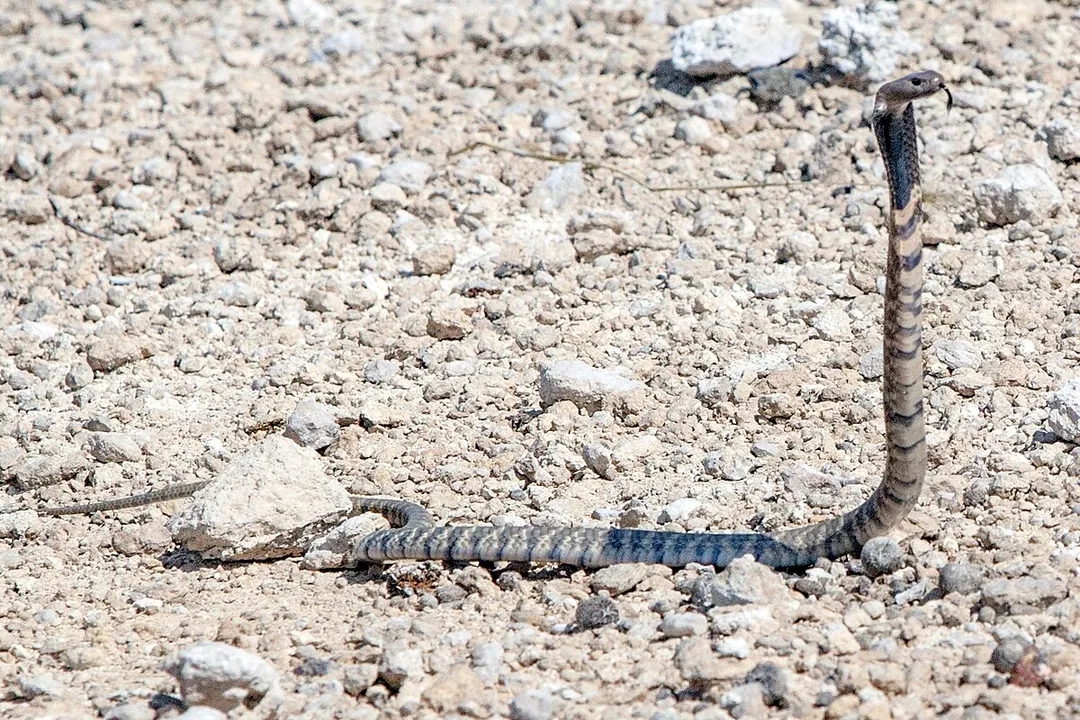
The Zebra Spitting Cobra, formally known as Naja nigricincta, presents a fascinating case study in serpentine adaptation, particularly when examining how its signature defensive trait—venom projection—developed over evolutionary time. [1][3] This species is recognizable by its contrasting black and lighter bands, a pattern that often contributes to its common name, though variation exists across its range. [1][5] Understanding its evolution requires looking closely at the mechanics of spitting and the chemical warfare waged in its venom, both of which seem driven by specific ecological pressures across its African habitat. [3][6]
# Species Identity
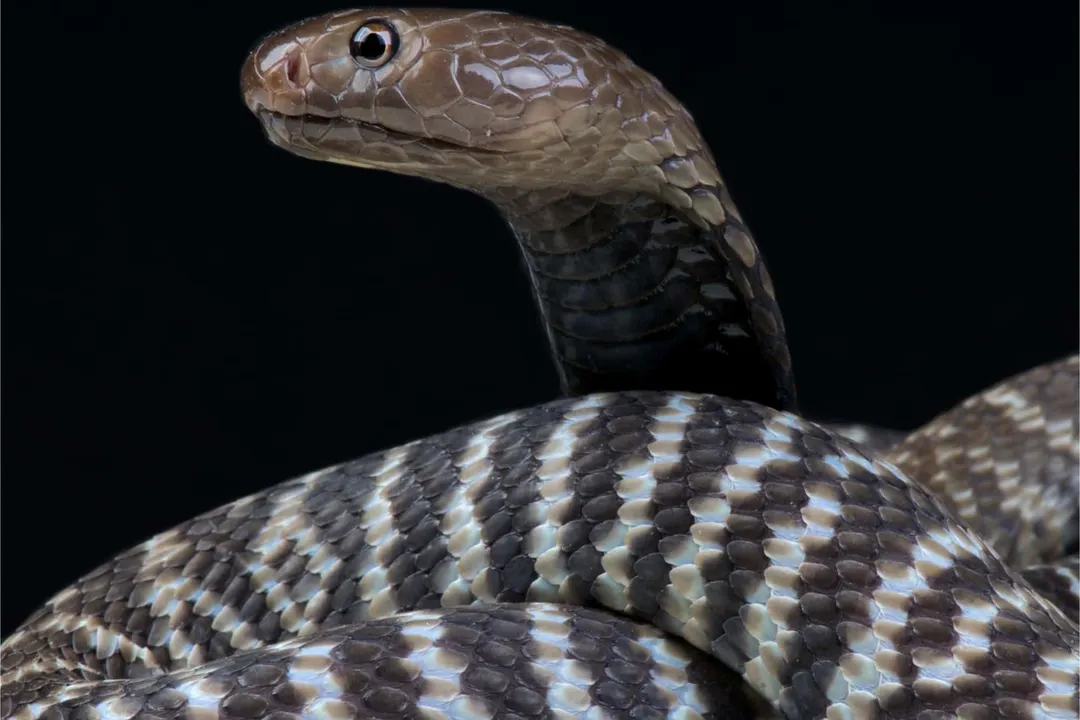
Naja nigricincta belongs to the Elapidae family, sharing ancestry with other cobras and mambas. [1] The name itself, nigricincta, points directly to the physical characteristic that defines many specimens: dark or black bands circling the body. [1] These snakes are generally found in regions of West and Central Africa. [1] While sometimes confused with other banded snakes or even non-venomous look-alikes, the Zebra Spitting Cobra is recognized by its distinct erect posture when threatened and, most notably, its ability to accurately project venom at an aggressor. [3][5]
The distribution of spitting cobras across Southern Africa offers a comparative backdrop for understanding N. nigricincta's evolution. In Southern Africa, species like the Mozambique Spitting Cobra (Naja mossambica) and the Rinkhals (Hemachatus haemachatus) share the spitting characteristic, suggesting that this adaptation arose convergently or was retained through a specific lineage that spread across the continent. [3] N. nigricincta fits within this broader group of African spitting cobras, whose evolution is deeply intertwined with developing highly effective, pain-inducing defenses. [6]
# Spitting Mechanism
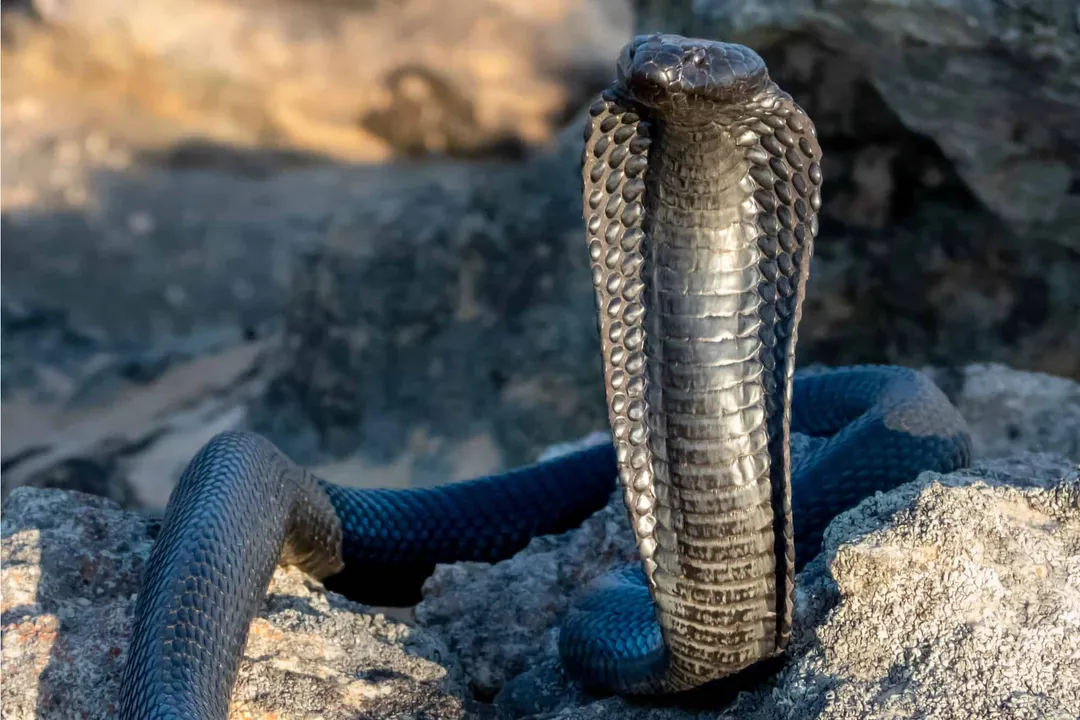
The physical act of spitting is not merely an accidental spray; it is a highly specialized evolutionary refinement of the standard venom delivery system. [3][5] In all cobras, venom is produced in the venom glands and delivered through hollow, fixed fangs in the front of the upper jaw. [3] For a non-spitting cobra, envenomation occurs through biting, where the fangs are angled backward to hook and inject. [3]
For the spitting cobra, however, the evolutionary modification centers on the tip of the fang. The venom duct, instead of terminating in a small opening at the front of the fang tip, is redirected to open through a distinct, forward-facing aperture or slit. [3] This physical change transforms the fang from a simple hypodermic needle into a dual-purpose delivery system: it can still deliver a lethal bite, or, when the snake contracts powerful cephalic (head) muscles, it can eject venom in a directed stream or spray. [3][5]
This adaptation suggests a significant evolutionary trade-off. Maintaining the musculature and structural modification required for accurate projection represents an investment in defense that does not directly aid in prey capture, which usually relies on a quick, paralyzing bite. [3] The advantage gained must outweigh this cost, implying that encounters with predators or threats large enough to receive a venom spray are common enough in the N. nigricincta environment to favor this defensive posture. [6] The accuracy is noteworthy; these snakes can direct venom with surprising precision, even from several feet away, targeting the eyes of a perceived threat. [3]
# Venom Chemistry Shifts
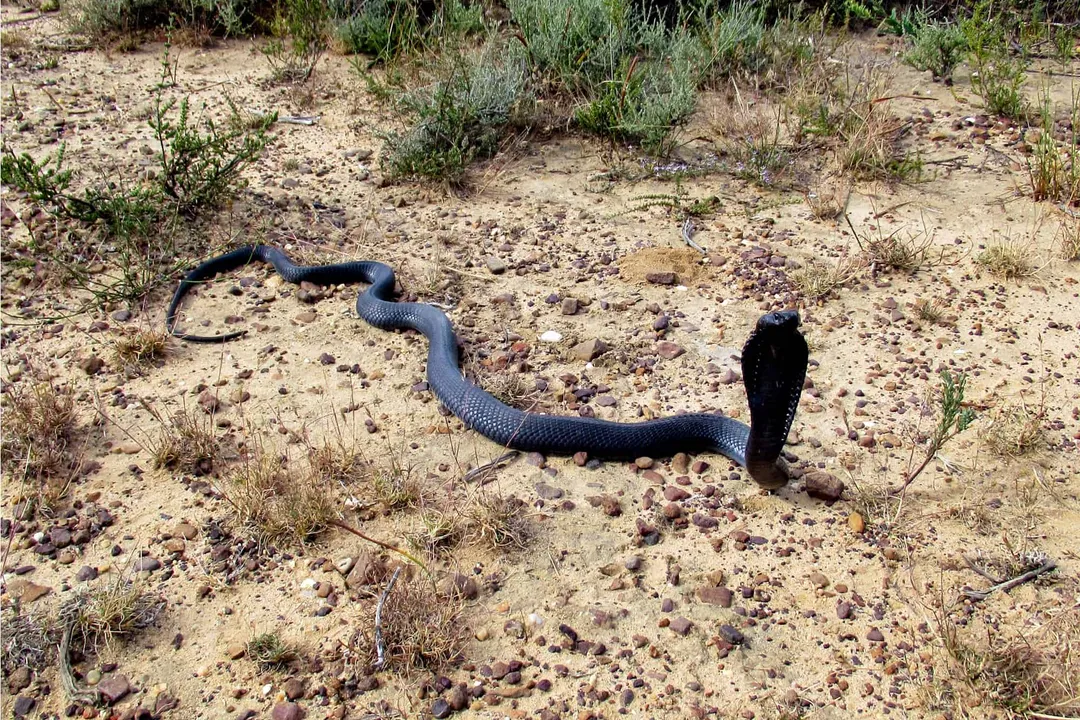
The evolutionary pressure leading to venom spitting seems inseparable from the evolution of the venom composition itself. When comparing spitting cobras to their non-spitting relatives within the Naja genus, a notable divergence in venom profile often emerges, favoring rapid pain infliction over immediate systemic collapse. [6]
Venoms are complex cocktails, primarily composed of neurotoxins (affecting the nervous system) and cytotoxins (causing local tissue destruction). [6][7] In many cobra lineages, neurotoxins are dominant, leading to paralysis and respiratory failure—the classic, fast-acting death associated with elapids. [7] However, research into the venom of spitting cobras suggests a heightened presence of components that cause immediate, agonizing pain. [6]
Specific enzymes, such as certain types of phospholipase A2 (PLA2) enzymes, are known contributors to severe pain and myonecrosis (muscle death). [6] The evolutionary pathway for spitting cobras appears to have selected for a higher relative proportion of these cytotoxic and pain-inducing agents. [6] If the primary goal of spitting is to deter an attacker immediately—by blinding them or causing sudden, intense pain—then a venom rich in pain-causing factors is more evolutionarily effective for defense than a slow-acting, purely neurotoxic cocktail that might only take effect after the snake has been captured or killed. [6]
It is interesting to consider that while spitting is a powerful defense, it is a finite resource. A cobra can only eject a small fraction of its total venom load when spitting, saving the bulk of its more lethal neurotoxins for a direct bite when necessary. [3] This implies that the N. nigricincta evolutionary strategy is layered: Step one is deterrence via sight and projected pain; step two, if the threat persists, is immobilization via a full envenomation bite. [3]
# Phylogenetic Positioning
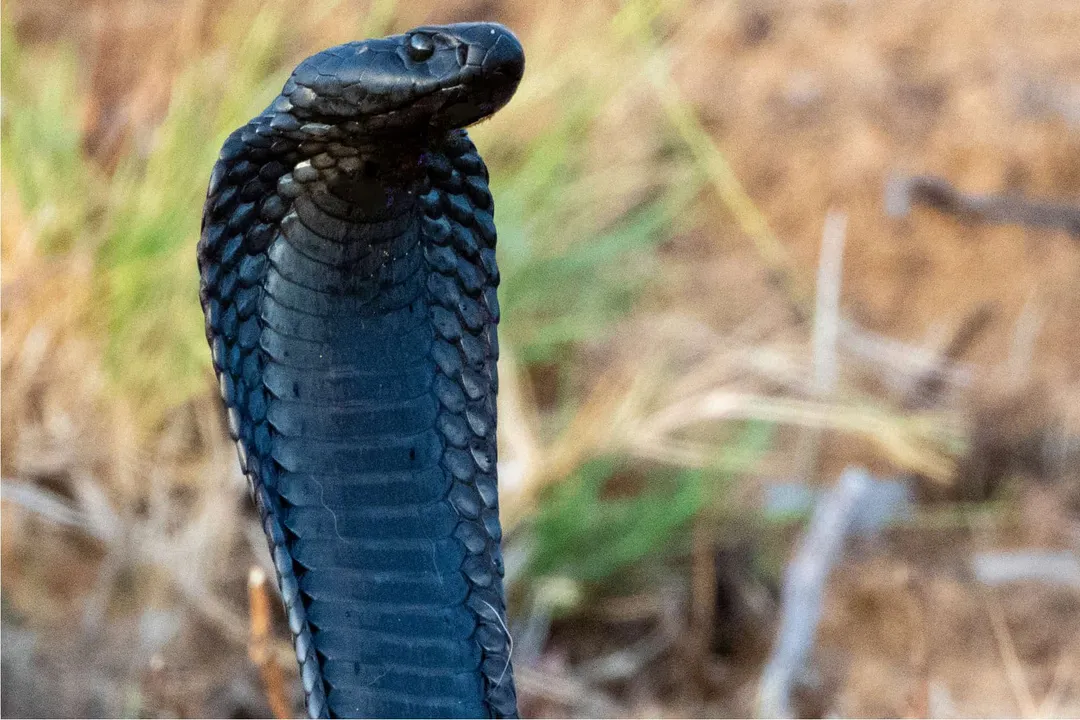
Placing Naja nigricincta within the broader evolutionary tree of cobras helps contextualize its specific adaptations. The Naja genus is ancient and geographically widespread across Africa and Asia, but the African lineages have undergone significant diversification. [1]
The evolution of spitting itself is not unique to N. nigricincta or even the broader Naja genus; it has evolved independently multiple times across different snake lineages, demonstrating a powerful recurring adaptive solution to predation. [3] Within the African cobras, the ability to spit is a derived trait present in several distinct groups. [3]
The specific genetic and morphological divergence that led to N. nigricincta likely occurred in relative isolation or under specific environmental selection pressures within its West/Central African range. [1] While detailed phylogenetic analysis is complex, the appearance of banding, the shift in venom expression, and the development of the specialized fang morphology all represent branches on the evolutionary tree that optimized this snake for survival in its specific niche, setting it apart from closely related, non-spitting cobras that might inhabit neighboring, less predator-dense areas. [7]
The variation in banding patterns across the species' range—from distinct, sharp bands to specimens that appear almost uniformly dark—suggests ongoing microevolutionary processes adapting local camouflage to local backgrounds, even within a single species. [1] This phenotypic plasticity, combined with the fixed trait of spitting capability, shows evolution acting on multiple fronts simultaneously.
# Ecological Drivers and Insight
To truly appreciate the evolution of the Zebra Spitting Cobra, one must look beyond the snake itself and consider the ecosystem that forged it. The presence of large, visually oriented mammalian predators (like mongooses, birds of prey, or primates) in the N. nigricincta habitat provides a strong selective pressure for a highly visible, immediate defense mechanism like spitting venom into the eyes. [6]
If we were to map the historical ranges of ancestral cobras onto the geological and ecological history of West Africa, we might hypothesize that drier, more open habitats, where visibility is higher and escape paths are longer, would favor the development of spitting over the purely defensive threat display common in dense, dark environments where a bite is the only viable last resort. [3] The effectiveness of spitting hinges on the predator reacting immediately to the pain, breaking off the attack sequence. A neurotoxin might take too long to incapacitate a determined predator.
Considering the potential costs, a purely analytical look at defense strategy suggests that N. nigricincta likely occupies a habitat niche where the frequency of close-range, visual confrontations with threats outweighs the risk associated with depleting venom reserves through repeated spitting. The fact that the venom composition also shifted to maximize pain output reinforces this idea: the evolutionary pathway prioritized ending the fight quickly through pain compliance, rather than succeeding via systemic poisoning. This dual adaptation—physical mechanism and chemical load—represents a highly specialized evolutionary package for defense. [6]
The Zebra Spitting Cobra’s lineage, therefore, provides a living example of how selective pressures mold physical structure and biochemistry in concert. The development of the slit-fanged delivery system and the corresponding elevation of pain-inducing venom components are two sides of the same evolutionary coin, ensuring survival in an environment populated by creatures capable of inflicting fatal harm. [3][6] The final expression of this evolution is a snake that commands respect not just for its bite, but for its ability to incapacitate a threat from a distance with a focused stream of chemical irritants.
# Comparison of Defenses
The spitting ability separates N. nigricincta and its kin from many other Asian and African cobras, such as the Egyptian Cobra (Naja haje), which may threaten or bite but does not project venom in the same manner. [3] While all cobras display a hood when threatened—a classic intimidation tactic involving visually exaggerating body size—the spitting cobras added an active, ranged deterrent. [3]
This highlights a key divergence in cobra defensive strategies across the genus. Some lineages invested heavily in potent, fast-acting neurotoxins suitable for subduing quick-moving prey or delivering a rapid, lethal bite to a stationary threat. Other lineages, like that leading to N. nigricincta, channeled significant evolutionary effort into an external, non-contact defense system. [7] This difference in investment often correlates with the specific predator guild present in their respective geographic regions. The spitting adaptation is essentially an evolutionary "early warning system" backed by chemical warfare. [6]
Comparing the structural requirements, the evolution of the specialized fang opening likely occurred after the common ancestor of all cobras had already developed the general apparatus for venom production. [3] The structural mutation allowing the redirection of the venom duct to the front of the fang was then successfully selected for because it provided a significant survival benefit, perhaps protecting the snake during its vulnerable juvenile stages or allowing it to defend territory against rivals without resorting to energy-intensive fighting. [3][5]
The retention of the bite capability alongside spitting also speaks to evolutionary conservatism; the ancestral killing method was not discarded, but rather supplemented. This redundancy is often a hallmark of successful biological systems, ensuring functionality even if one defense mechanism fails—for instance, if the snake is startled and sprays inaccurately, the bite remains available to secure a meal or defend a last stand. [7]
# Conservation Context
While this discussion focuses on the deep past of evolutionary pressures, the current distribution and status of Naja nigricincta are also relevant to understanding the continuation of these traits. [1] In areas where human encroachment reduces habitat complexity or increases dangerous encounters, the spitting defense may become even more frequently deployed, potentially increasing the selection pressure favoring highly accurate spitters with potent eye irritants. [3] Conversely, if habitat fragmentation isolates populations, evolutionary divergence between local groups could lead to slight variations in venom composition or spitting accuracy over time, though this would require long-term study to confirm. The survival of this species is now closely tied to maintaining the ecological balance that first drove these fascinating adaptations.[1]
The Zebra Spitting Cobra remains a compelling subject because it perfectly illustrates macroevolutionary principles—adaptation, divergence, and specialization—played out on the scale of a single, highly effective defensive mechanism woven into the biology of an entire lineage.[6]
#Videos
Spitting cobras: the peculiar evolution of defensive venom in snakes
Related Questions
#Citations
Naja nigricincta - Wikipedia
Zebra Snake Animal Facts - Naja nigricincta
Spitting Snakes of Southern Africa - African Snakebite Institute
Spitting cobras: the peculiar evolution of defensive venom in snakes
The intergrade between the zebra snake (Naja nigricincta) and the ...
Spitting cobras' venom evolved to inflict pain | Science | AAAS
Target tracking during venom 'spitting' by cobras - PMC - NIH
Spitting cobras - Life is short, but snakes are long
Zebra Spitting Cobra | Animal Database - Fandom
Namibian spitting cobra, Naja nigricincta nigricincta (zebra snake)