Zebra Finch Evolution
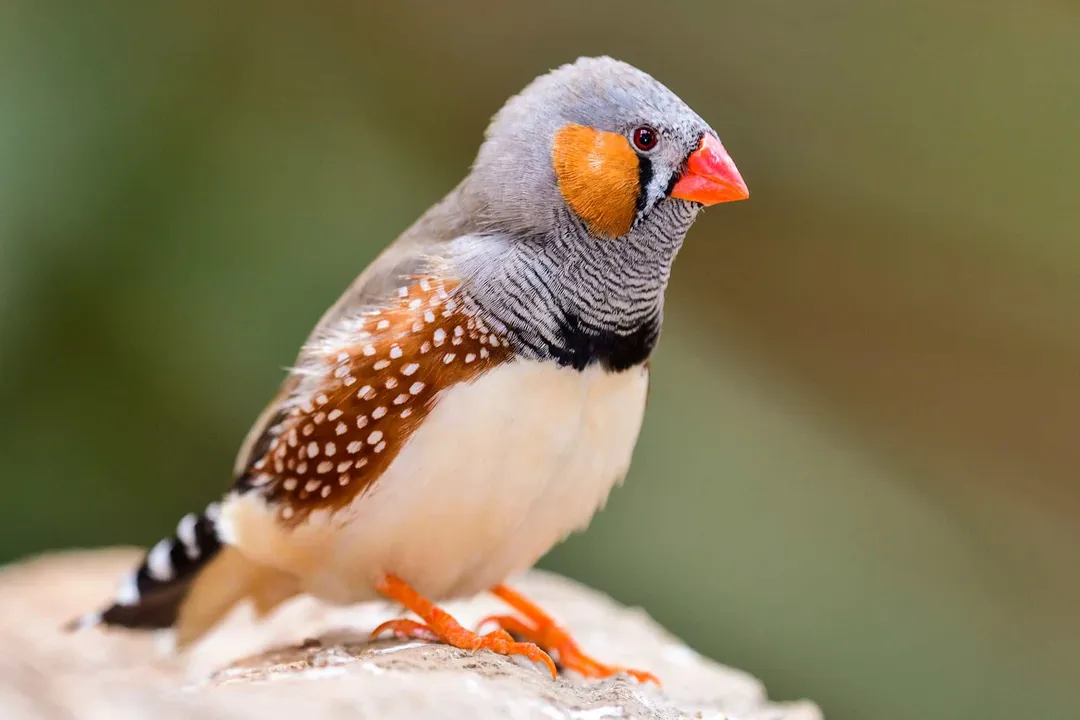
The tiny Zebra Finch (Taeniopygia guttata), often recognized by its striking orange cheek patches and black and white stripes reminiscent of its namesake, is far more than just a popular aviary bird; it represents a significant model organism for understanding avian evolution and behavior. [1][4] Native to the arid and semi-arid regions of Australia, this small passerine bird has provided researchers with a unique window into how genetics, environment, and social dynamics shape species over time. [1][4][10] Its widespread use in laboratories worldwide, stemming from its ease of care and relatively short generation time, has accelerated our understanding of complex biological processes, including vocal learning and mate choice, which are deeply rooted in evolutionary history. [3]
# Australian Origins
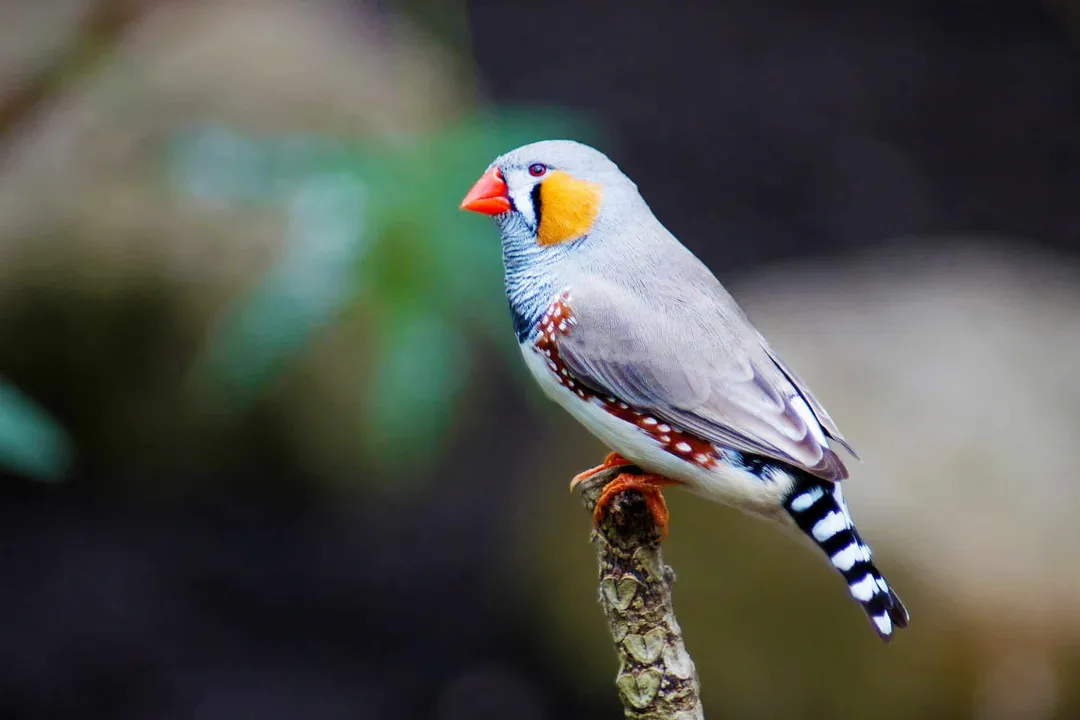
The natural range of the Zebra Finch is centered in mainland Australia, where it occupies dry grasslands and savanna environments. [1][10] These conditions impose specific selective pressures, influencing everything from foraging behavior to reproductive strategies. [4] In the wild, they tend to live in small flocks, often near water sources, which is a critical resource in their often-harsh, semi-arid habitat. [10] Interestingly, while they are widespread across the continent, their distribution is not uniform, reflecting localized adaptation to microclimates and food availability. [4]
The transition of the Zebra Finch from a wild Australian resident to a global laboratory subject marks a profound evolutionary shift in its own right. In captivity, many of the intense natural selective pressures are relaxed or removed entirely. [1] This domestication process, while not as ancient as that of chickens or pigeons, allows scientists to study genetic variance in a controlled setting, offering a stark contrast to the natural evolutionary trajectory seen in the wild populations. [1][4] One can observe how traits once strictly governed by survival or reproduction in the Outback—such as specific plumage patterns or song complexity—may change when housed in environments where food is guaranteed and predators are absent. [1][8] This divergence between the wild and captive forms offers a powerful, albeit sometimes artificial, comparative tool for evolutionary biologists.
# Genome Unlocked
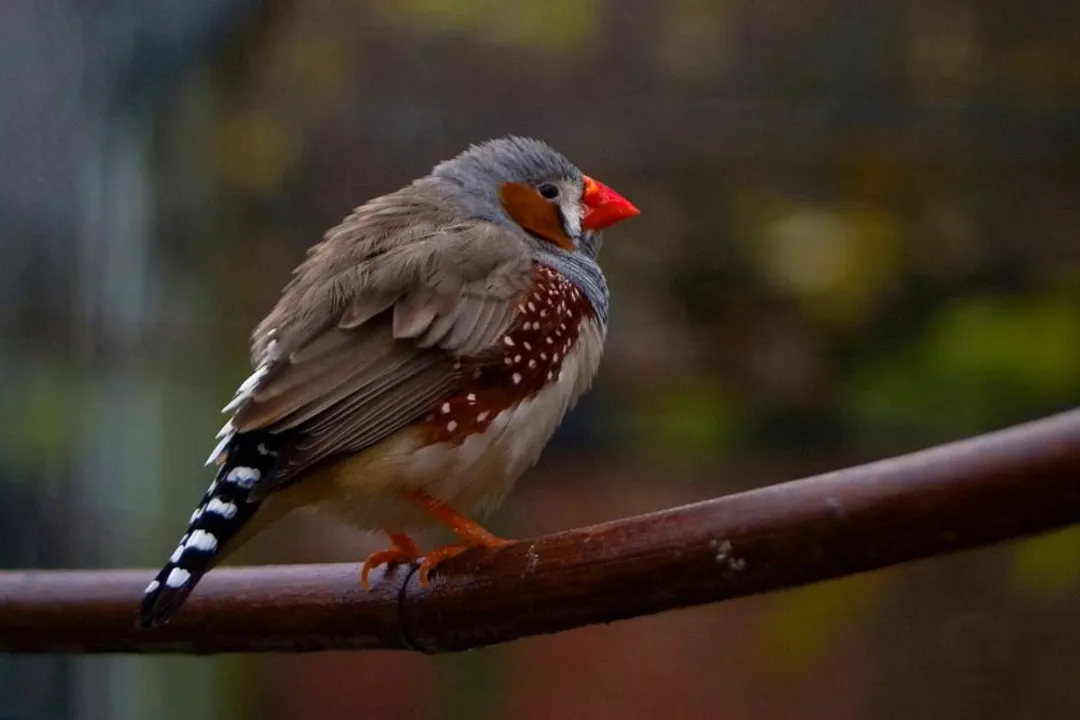
The sequencing of the Zebra Finch genome marked a significant milestone, providing the molecular blueprint for its biology and evolution. [5] This deep dive into the genetic code has allowed researchers to move beyond simple observation and connect specific genetic architecture to observable traits, a key endeavor in modern evolutionary biology. [5][7]
One particularly compelling area illuminated by the genome project concerns sensory evolution, specifically the sense of smell. For a long time, the role of olfaction in many bird species, including songbirds like the Zebra Finch, was thought to be minimal compared to mammals. [5] However, the genomic data suggested otherwise. Researchers found evidence for numerous genes associated with olfactory receptors in the finch’s genome, genes that were previously thought to be pseudogenes (non-functional remnants) or simply absent in birds. [5] This discovery hinted that smell might play a more significant, perhaps previously underappreciated, role in the bird's life, potentially influencing mate selection, predator avoidance, or even communication in ways that Darwin’s finches—another famous group of evolutionary study subjects—might also experience. [5]
The genomic data also helps track evolutionary history through comparative genomics. By comparing the finch's genome with those of other birds, scientists can pinpoint regions that have undergone rapid evolution or selective sweeps, indicating where the birds adapted quickly to environmental changes. [7] These regions often harbor genes related to immunity, metabolism, and, crucially, neural development relevant to complex behaviors like song production. [3][7]
# Song and Mating Cues
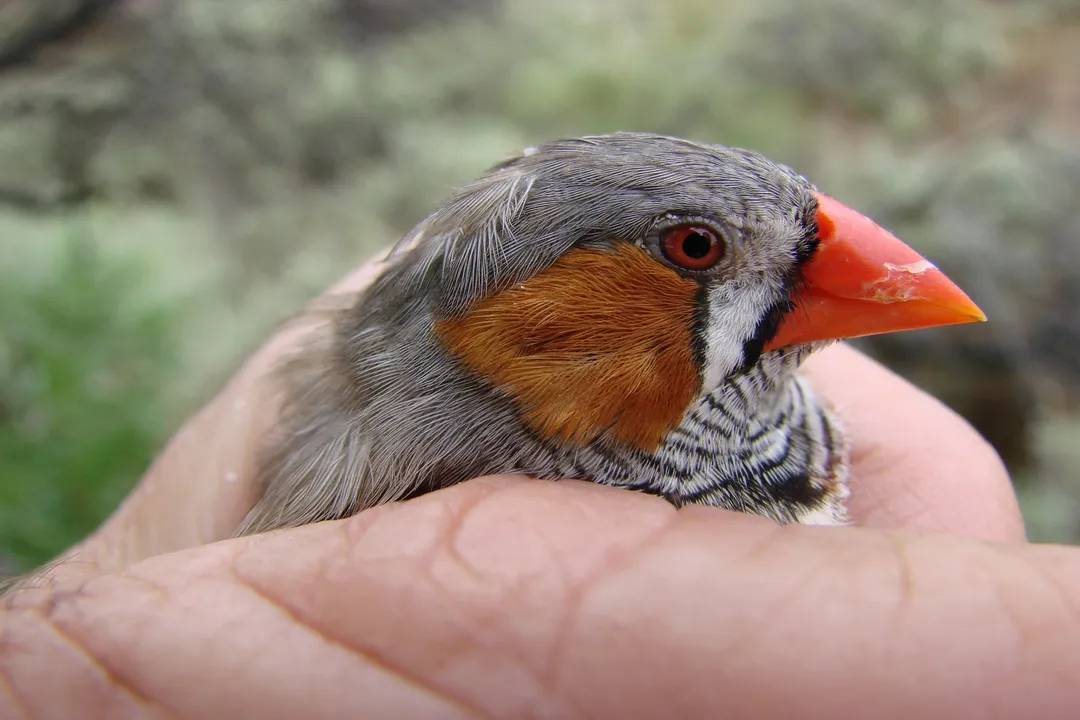
Vocal behavior in male Zebra Finches is a classic example of sexual selection in action. The male's song is not innate; it must be learned during a critical period from older male tutors, mirroring aspects of human language acquisition. [3] The quality, complexity, and accuracy of this learned song are intimately tied to the male’s attractiveness to females. [3] Females use these vocalizations, alongside visual cues, to assess potential mates. [8]
The evolutionary pressure exerted by female choice drives the complexity of the male song. Females prefer males with songs that are loud, fast, and contain a greater variety of syllables. [3] This preference creates a selection gradient, favoring males who are better vocal learners or have physical attributes conducive to producing high-quality songs. [8] Research into these mating dynamics reveals a fascinating interplay between learned culture and hardwired preference. [3]
When considering the speed of mate choice, an interesting phenomenon emerges related to efficiency. Studies focusing on speed-dating scenarios in Zebra Finches, where females rapidly assess multiple males, suggest that females may employ quick, threshold-based decisions rather than extensive, time-consuming evaluations of every trait. [9] If a potential mate meets a minimum criterion for key features—such as song complexity or plumage brightness—the female moves on quickly to the next suitor. [9] This "speed-dating" adaptation likely reflects an evolutionary trade-off: the energy and risk associated with prolonged mate searching must be balanced against the benefits of securing a high-quality partner. [9]
| Trait Assessed by Female | Evolutionary Implication | Source of Information |
|---|---|---|
| Song complexity/syllable rate | Indicates learning ability and neural fitness | Vocal Learning [3] |
| Cheek patch color/brightness | Indicator of physical health and carotenoid intake | Sexual Selection [8] |
| Foraging efficiency in wild | Direct survival advantage in arid zones | Natural Habitat [10] |
It is valuable to reflect on how laboratory conditions might alter these natural metrics. In a controlled environment, the need for speed in mate choice might lessen if resources are abundant, potentially leading to a relaxation of the selective pressure that favors quick assessments observed in the wild speed-dating context. [9] In essence, the selection load—the reduction in fitness due to deleterious or non-optimal genes—might shift from external environmental hazards to social competition within the cage. [8]
# Evolutionary Mechanisms in Focus

Evolutionary genetics seeks to quantify the forces shaping populations. For the Zebra Finch, this involves looking at factors like selection load and the efficacy of selection based on behavioral traits. [8] Selection load refers to the reduction in fitness in a population due to the presence of unfavorable alleles. [8] In a highly controlled setting, this load might be artificially lowered, but in the wild, surviving drought or finding mates successfully is the filter that removes these less fit individuals.
The interplay between sexual selection and viability selection (selection related to survival) is complex. If a trait strongly preferred by females—say, a particularly bright orange beak—also requires significant metabolic investment that compromises immune function, this creates an evolutionary tension. [8] The bird must balance the need to display attractive traits for reproduction against the need to maintain sufficient health to survive until reproduction occurs. [8] Research suggests that sexual selection can sometimes act independently of viability selection, meaning a highly desirable mate might not necessarily be the fittest survivor in the face of environmental challenges. [8]
Considering the wide genetic diversity that exists, one must also account for the impact of drift, especially in smaller, founder populations established after a species spreads into a new area. [2] While the Zebra Finch's main range is vast, smaller, isolated groups might experience genetic bottlenecks. Such bottlenecks can rapidly fix certain traits, whether beneficial, neutral, or slightly detrimental, simply by chance, which is a key mechanism in understanding the evolution of geographically separated populations. [2] Analyzing quantitative trait loci (QTLs) associated with measurable characteristics helps map these evolutionary events onto the physical genome. [7]
The fact that the genome analysis pointed towards an expanded role for smell, a sensory modality we often overlook in birds, suggests that evolutionary innovations—or the maintenance of ancient, underappreciated ones—can be revealed by looking past the most obvious behavioral traits like song or color. [5] It challenges the assumption that evolutionary drivers are always visible in dramatic morphological or behavioral differences, hinting at subtle, chemical communication systems that have been evolving concurrently with their more obvious counterparts for millennia. [5] This genomic evidence compels us to reconsider what senses truly drive adaptation in arid-dwelling passerines.
Related Questions
#Citations
Zebra finch - Wikipedia
The Natural History of Model Organisms - eLife
Evolutionary Analysis and Expression Profiling of Zebra Finch ... - NIH
Zebra Finch - A-Z Animals
Darwin's Finches and the Evolution of Smell: Sequenced Zebra ...
Molecular evolution of color vision of zebra finch - ScienceDirect.com
THE GENETIC BASIS OF ZEBRA FINCH VOCALIZATIONS | Evolution
Speed-Dating for Zebra Finches Reveals Evolutionary Importance of ...
Sexual selection, selection load and quantitative genetics of zebra ...
Zebra Finch - The Australian Museum