What is the primary, long-distance defense mechanism employed by *Crotalus oreganus*?
Answer
Vibrating the familiar rattle as a warning signal
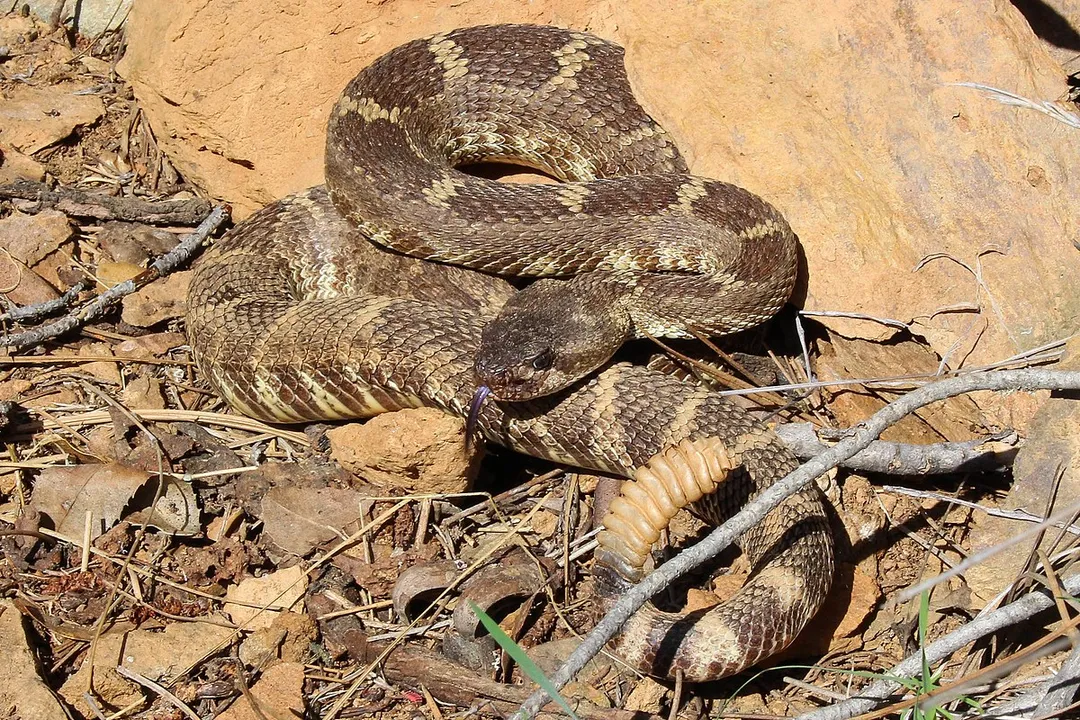
When potential threats are detected, the Western Rattlesnake generally employs a non-aggressive, warning strategy first, rather than immediately striking. The primary method for communicating this warning is by vibrating the tail, causing the interlocking keratin segments of the rattle to produce a distinct buzzing sound. This serves as a long-distance deterrent, intended to encourage potential dangers, such as humans or larger animals, to move away before the snake feels cornered or directly threatened enough to resort to biting.
Related Questions
What type of venom primarily targets and destroys red blood cells in *Crotalus oreganus*?What reproductive strategy characterizes the Western Rattlesnake concerning the development of its young?What is the conservation listing for the Northern Pacific Rattlesnake in Washington State?What specialized sensory organs do *Crotalus oreganus* possess between the eye and nostril?What unusual preparatory step occurs regarding prey digestion after *Crotalus oreganus* strikes?What is the primary, long-distance defense mechanism employed by *Crotalus oreganus*?Which specific name identifies *Crotalus oreganus* populations in Washington and Oregon?What small mammals form the core of the diet for *Crotalus oreganus*?What state of winter inactivity do *Crotalus oreganus* enter, often using communal dens?What might occur when *C. oreganus* delivers a defensive strike against a human?