What are the facts about the Mojave rattlesnake?
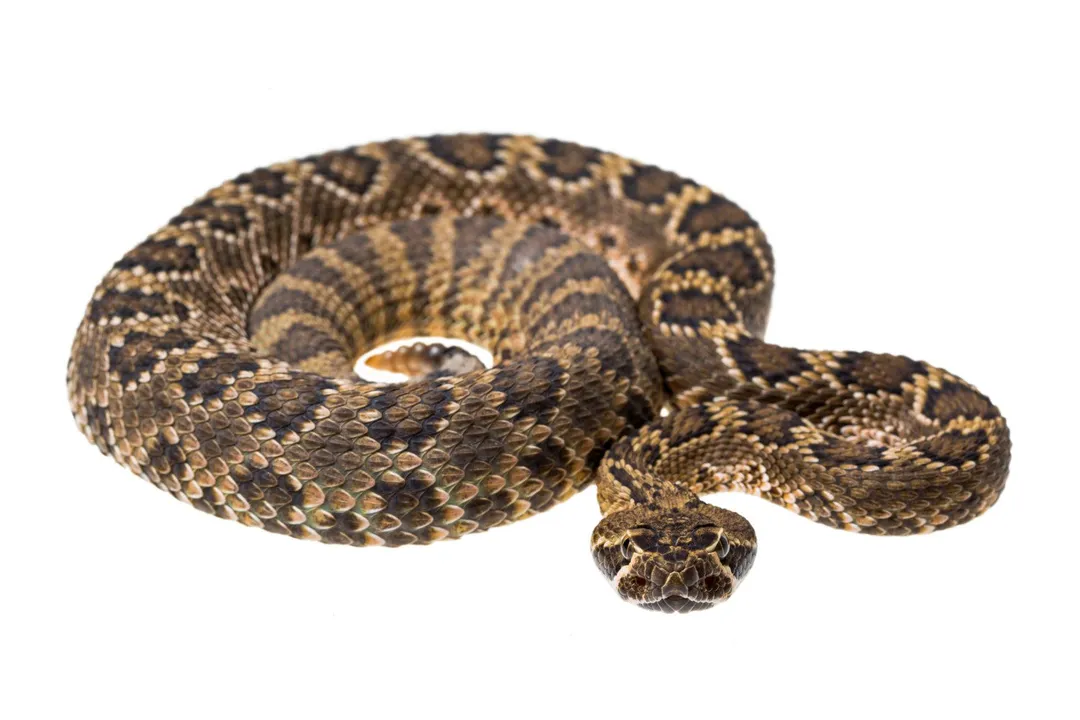
The Mojave rattlesnake, Crotalus scutulatus, is a creature perfectly adapted to the harsh, arid landscapes it calls home, spanning sections of the southwestern United States and northern Mexico. [4][5] Far from being a monolithic entity, this species presents a fascinating study in variation, particularly concerning the reputation that precedes it: its venom. [9] Understanding the facts about this snake requires looking past the general fear and examining its specific biology, habitat preferences, and unique survival strategies within the desert environment. [1][4]
# Appearance Defined
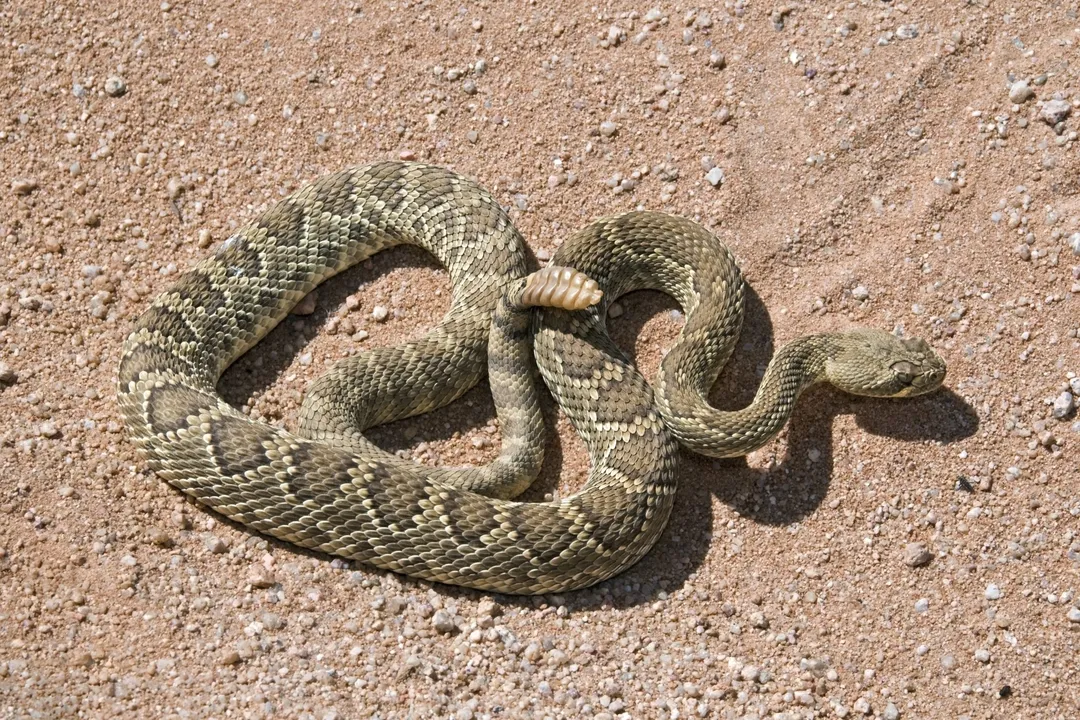
This rattlesnake possesses a coloration that varies considerably depending on the region, which can sometimes make identification tricky. [1][5] Its base color ranges through shades of brown, gray, olive, or yellow, often overlaid with darker crossbands that may be irregular or distinctly shaped. [5] Juveniles sometimes exhibit lighter coloring compared to adults. [1] In terms of size, they are generally medium-sized, typically ranging from about 1.5 to 3 feet in length, although exceptional specimens can exceed 4 feet. [5][4] Like many pit vipers, the head is noticeably large and triangular, clearly set apart from the neck. [5]
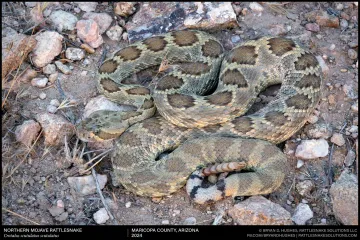
One critical aspect of identification involves the tail, which is often a source of confusion when distinguishing the Mojave from species like the Western Diamondback. While the Mojave rattlesnake frequently has a uniformly colored tail tip, this rule is not absolute, meaning visual identification in the field should always be approached with caution. [6] Furthermore, the rattle itself might be less prominently developed or shorter than what observers expect from other large rattlesnakes. [6] Its effectiveness as camouflage is highly substrate-dependent; a snake shaded in gray and black will blend nearly perfectly against dark volcanic scree, while a lighter, yellowish individual disappears into pale sand and dry grasses. [1] This reliance on background matching is a primary defense mechanism, often allowing them to remain unseen until nearly stepped upon.
# Venom Severity
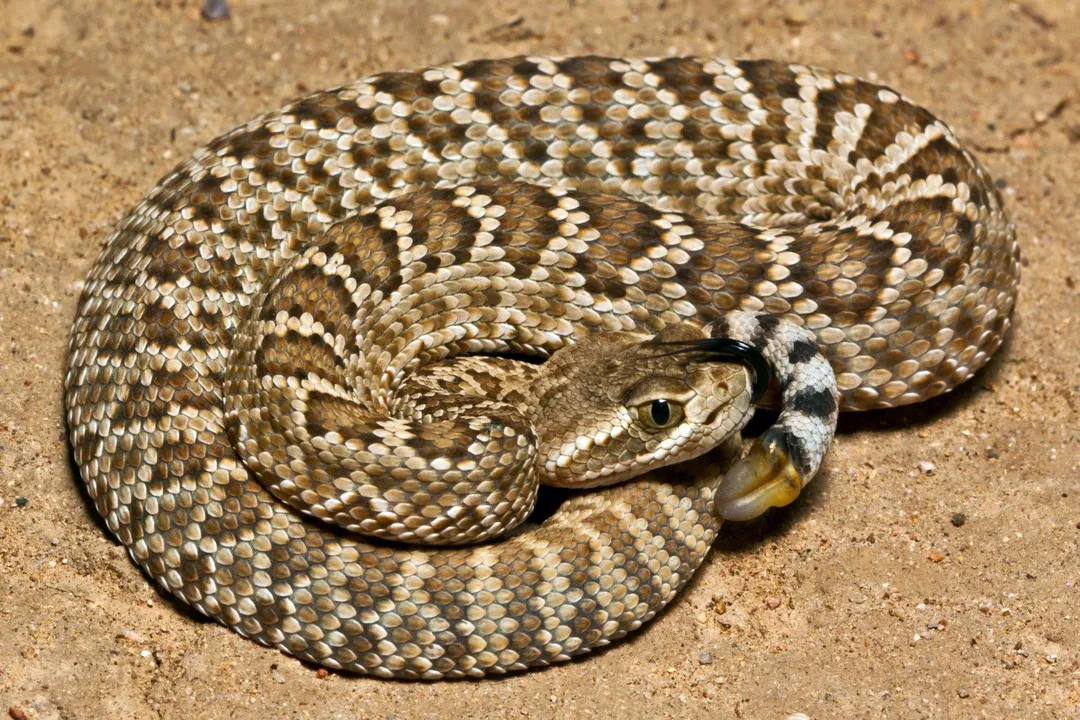
The most talked-about feature of Crotalus scutulatus is undoubtedly its venom, which is widely considered life-threatening. [9] What sets this species apart is the composition of its toxins, which can include powerful neurotoxins in addition to hemotoxins, differing from many other rattlesnakes whose venom is primarily hemotoxic. [9][4] Neurotoxins target the nervous system, potentially leading to respiratory distress and paralysis, which makes prompt medical intervention vital following a bite. [9]
However, the venom is not uniform across the entire species range. Research indicates that the potency, particularly the presence and concentration of the potent Mojave toxin (a specific neurotoxin), can vary geographically. [9] This means that a snake encountered in one area might possess venom that is far more dangerous systemically than one found in a different locale, even if they look externally similar. [9] This variability underscores why generalized assumptions about the danger level of any single snake are unwise; every encounter should be treated with the highest level of caution. [9] The snake uses its rattle, vibrating it rapidly, as a warning signal before resorting to a bite. [5]

# Desert Home
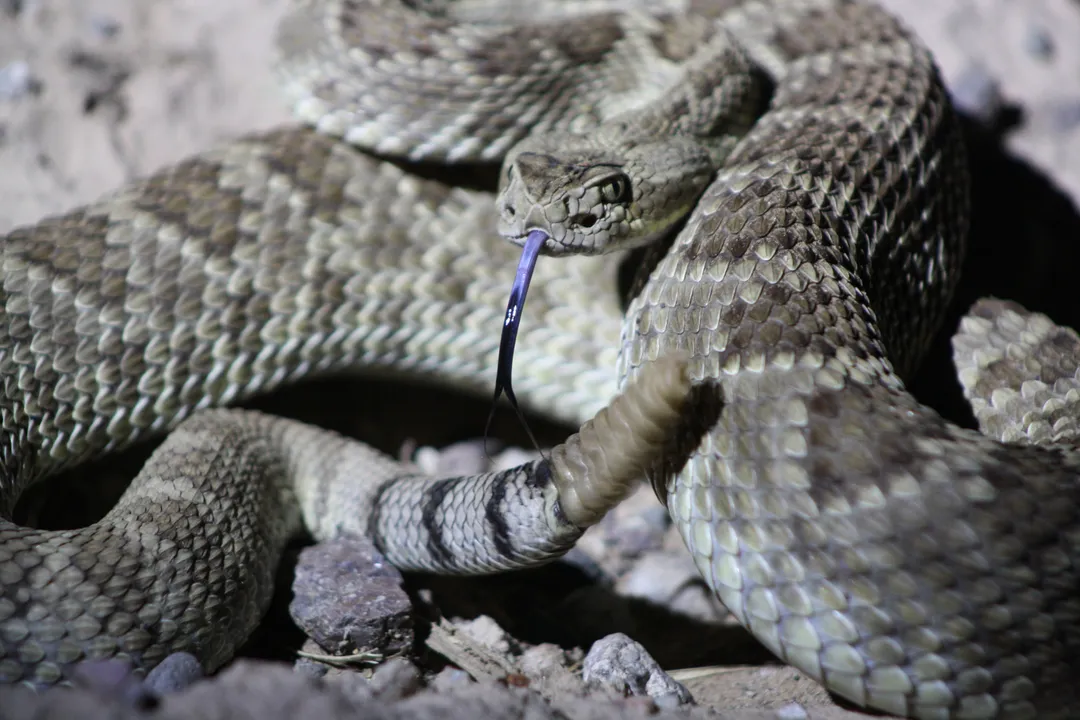
The Mojave rattlesnake is intrinsically linked to the American Southwest and adjacent areas of Mexico. [5] Its range covers areas within Nevada, Arizona, California, Utah, and New Mexico. [1][4] This reptile thrives in the arid environment typical of the Mojave Desert, preferring rocky slopes, desert scrubland, and areas dominated by creosote bush. [5][4][1] They show a preference for habitats that offer suitable cover, such as broken terrain, canyons, and areas with volcanic rock outcroppings. [1]
Their daily activity patterns shift based on the temperature. During the peak heat of summer, they are generally more active during the cooler hours of dawn and dusk, or entirely at night (crepuscular or nocturnal). [5] When the weather moderates in spring or fall, they are more likely to be seen basking or moving during the day (diurnal). [5] These shifts in activity highlight their need to regulate body temperature, a crucial survival strategy in environments that swing between extreme heat and cold. [5]
# Life Cycle Facts
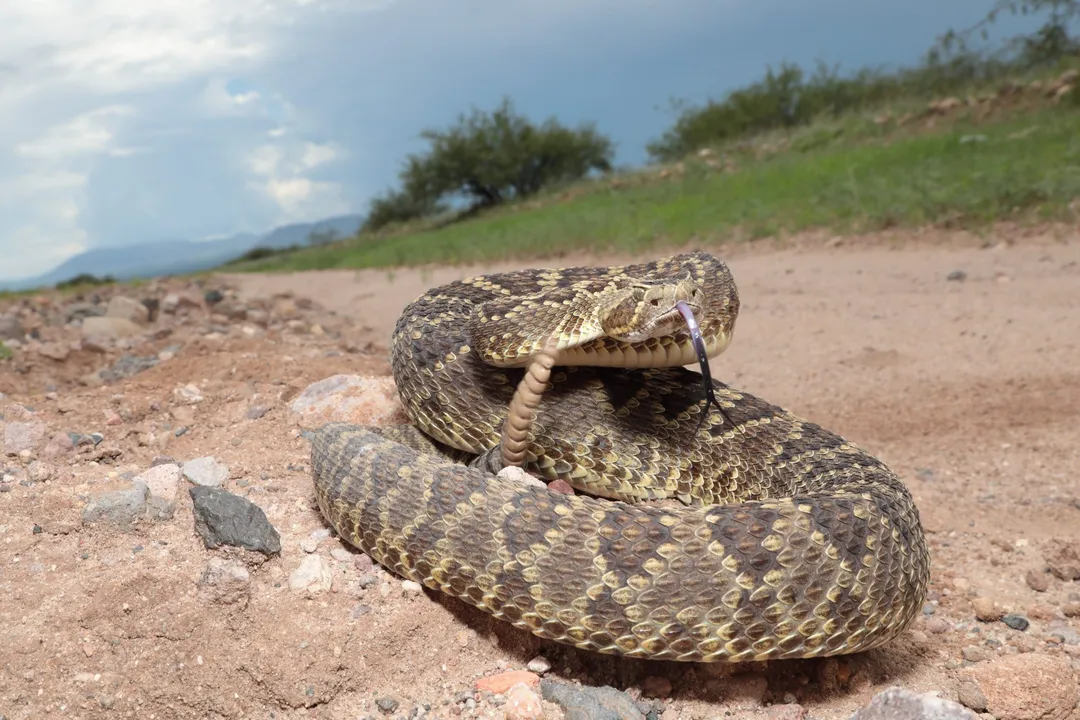
Dietarily, the Mojave rattlesnake is a predator focused primarily on smaller desert fauna. [5] Their meals typically consist of rodents, various lizards, and small birds. [5][4] As an ovoviviparous species, they do not lay eggs; instead, the eggs develop and hatch internally, resulting in the birth of live young. [4] This reproductive strategy offers protection to the developing embryos against harsh external conditions and predation.
When sensing a threat, the snake’s first line of defense is typically to remain still, relying on its exceptional camouflage. [1] If this fails, the distinctive rattle at the end of the tail is employed to advertise its presence and potential danger. [5] Bites are only delivered when the snake feels directly threatened, cornered, or is accidentally encountered—they are not aggressive hunters of humans.
# Safety Protocols
Encountering any rattlesnake in the wild requires a pre-established, safe response plan. Because visual identification can be unreliable—especially under stress or at a distance, given the potential for confusion with other local pit vipers like the Western Diamondback [6]—the best course of action is immediate retreat. If you spot the snake, stop moving, identify a clear path away, and back away slowly without turning your back until a significant distance is established.
Considering their habitat preferences—rocky, scrubby areas [1][5]—hikers and desert explorers should be particularly mindful when stepping over logs, reaching into rock crevices for handholds, or moving debris. A practical safety measure in known Mojave rattlesnake territory is to always watch where you place your hands and feet, avoiding the tendency to place your hands on ledges or rocks without first visually inspecting the immediate area behind and underneath the object. This simple habit prevents the most common type of accidental defensive bite. [6] Furthermore, always hike with appropriate footwear that covers the ankle, offering a small but potentially crucial layer of protection against low strikes. [5]
Related Questions
#Citations
Mojave Green Rattlesnake
Mojave Rattlesnake - Facts, Diet, Habitat & Pictures on ...
12 Rare Facts About the Mojave Green Snake You Didn't ...
Crotalus scutulatus
Mojave Green Rattlesnake - Grand Canyon-Parashant ...
The Reality of the dreaded Mojave Rattlesnake
Mojave Rattlesnake Animal Facts - Crotalus scutulatus
Mohave/Mojave Rattlesnake
Mojave rattlesnakes' life-threatening venom ... - Clemson News