What historical issue complicated early Lycodon classifications?
Answer
Lumping similar-looking but distinct species (cryptic species).
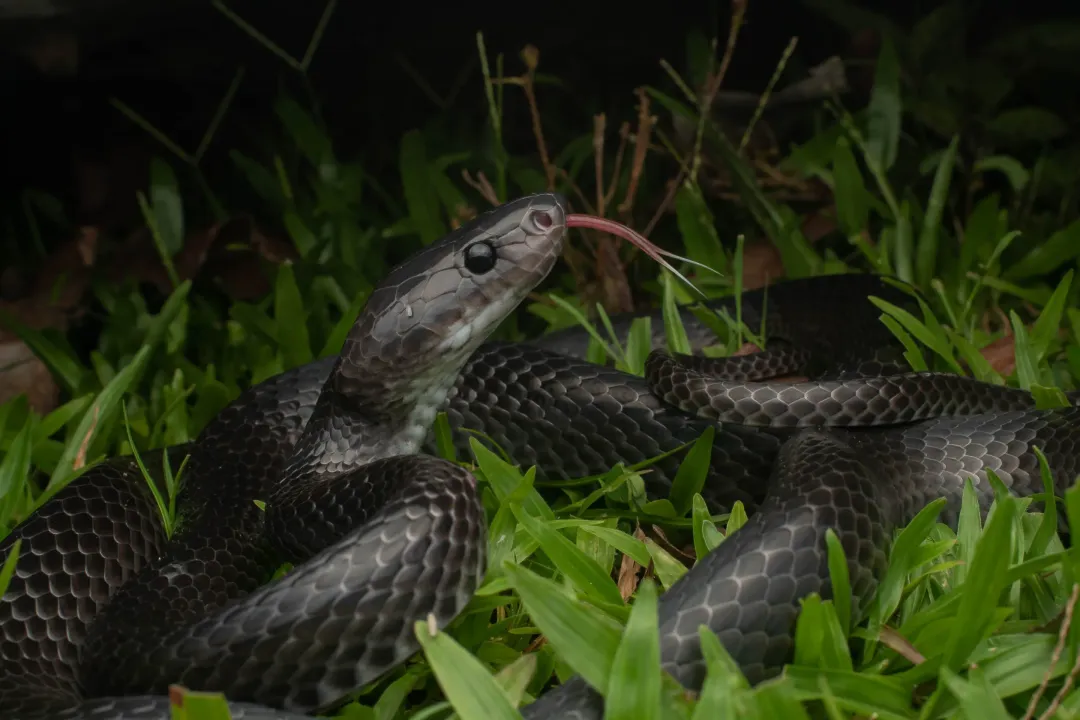
Historically, taxonomic classification of the snakes in the genus *Lycodon* faced significant challenges related to identification accuracy. Early systems often tended to lump snakes that shared similar external appearances into a single species designation. Conversely, they sometimes failed to separate cryptic species—those populations that appear virtually identical morphologically but are, in fact, genetically distinct evolutionary units. Modern analysis using multilocus phylogeny is actively correcting these historical ambiguities to chart true relationships.
Related Questions
To which global snake family does the genus Lycodon belong?Which venomous snake is Lycodon aulicus noted for mimicking?What specific molecular technique illuminates Lycodon relationships?Are wolf snakes generally considered venomous to humans?What shared morphology contributes to the generic "wolf snake" name?What scale feature is present on Lycodon carinatus?Which famous conservation figure inspired a new Lycodon species name?What historical issue complicated early Lycodon classifications?What method might have aided Lycodon's wide dispersal across Asia?What primary activity characterizes the ecological role of Lycodon snakes?