What key structure was relied upon for older classifications of the Lycosidae family?
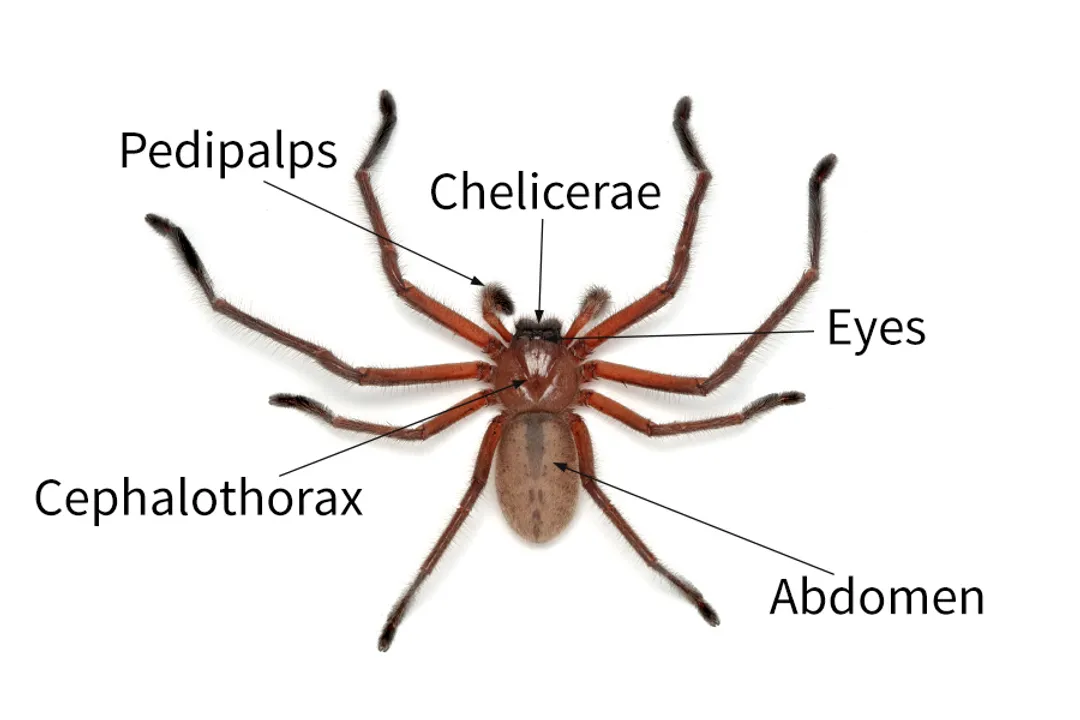
The male pedipalp.
For many decades, the classification and arrangement of the expansive Lycosidae family heavily depended on observable physical characteristics, a method known as morphological taxonomy. Central to distinguishing between genera and subfamilies using this older approach was the careful examination of structures related to reproduction and movement. Specifically, the morphology of the male pedipalp played a crucial role in assigning species to established groups. This traditional system, however, has been significantly challenged and revised by modern molecular analyses, which reveal that structures once thought reliable, like the male pedipalp, sometimes group unrelated lineages together, leading to non-monophyletic classifications for genera like *Lycosa* and *Arctosa*.